hotels in Tokyo offers a diverse array of accommodations that cater to every traveler’s needs, whether you’re seeking luxury or budget-friendly options. This vibrant city is home to a dynamic hotel market that reflects its unique culture and modern appeal. From opulent five-star stays to charming capsule hotels, Tokyo has it all, making it an exciting destination for both leisure and business travelers.
The hotel landscape in Tokyo includes a wide range of options, ensuring that visitors can find the perfect place to rest after exploring this bustling metropolis. With high occupancy rates driven by both domestic and international tourists, understanding the types of available accommodations can help you make informed choices for your stay.
Overview of Hotels in Tokyo
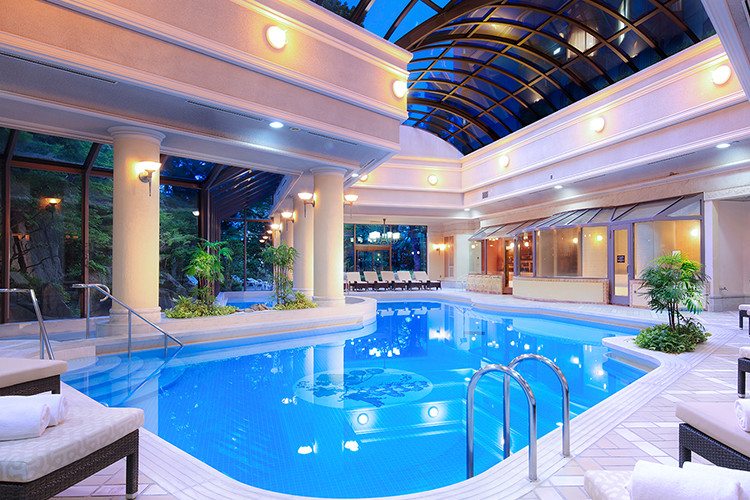
Tokyo boasts a dynamic and diverse hotel market that caters to a myriad of travelers, from business professionals to leisure tourists. The city is home to an impressive array of accommodations, with options ranging from luxurious five-star hotels to budget-friendly hostels. This variety reflects Tokyo’s status as a global hub for commerce, culture, and tourism, drawing millions of visitors each year.
The hotel landscape in Tokyo is categorized into several types of accommodations, each serving different preferences and budgets. Major international hotel chains like Hilton and Marriott provide high-end services and amenities, while boutique hotels offer unique experiences that showcase local culture. Capsule hotels present a novel and cost-effective alternative, especially popular among solo travelers seeking short-term stays. Additionally, traditional ryokans deliver an immersive experience of Japanese hospitality, providing tatami mat rooms and on-site dining with kaiseki cuisine.
Statistics on Hotel Occupancy Rates and Traveler Demographics, Hotels in Tokyo
Understanding the statistics surrounding hotel occupancy can provide valuable insights into Tokyo’s hospitality industry. Over the past few years, the hotel occupancy rate in Tokyo has fluctuated due to various factors, including international travel trends and global events like the COVID-19 pandemic. In 2019, prior to the pandemic, the average occupancy rate was around 90%, showcasing the city’s robust tourism appeal.
As travel restrictions eased, occupancy rates have gradually rebounded. Demographics reveal that Tokyo attracts a diverse range of travelers. In 2022, approximately 30% of visitors were from other Asian countries, particularly from China and South Korea, while European and American tourists comprised about 20% and 15%, respectively. Business travelers account for a significant portion, often filling hotels during weekdays, whereas leisure travelers tend to occupy rooms over weekends and holidays.
“The diversity in travel demographics highlights the need for hotels to adapt their services to meet varying expectations and preferences.”
The following table summarizes key statistics related to Tokyo’s hotel market:
| Year | Average Occupancy Rate | Top Visitor Demographics |
|---|---|---|
| 2019 | 90% | 30% Asian, 20% European, 15% American |
| 2022 | 70% (post-pandemic recovery) | Similar distribution with increased domestic tourism |
The continuous evolution of Tokyo’s hotel offerings and changing traveler demographics underscore the city’s resilience and adaptability, making it a prominent destination in the global travel landscape.
Popular Districts for Hotels
Tokyo offers a wide array of districts, each with its own unique charm and characteristics that appeal to visitors. Choosing the right district to stay in can significantly enhance your travel experience, as it influences accessibility to attractions, cultural experiences, and local vibes. Here’s a look at the most popular districts for hotel stays and what they have to offer.
Shinjuku
Shinjuku is one of Tokyo’s most vibrant districts, known for its bustling nightlife, shopping, and dining options. It’s a hub for both locals and tourists, making it an ideal base for exploring the city.
- Pros: Shinjuku offers excellent transportation links, including access to major train lines and the airport. The area is packed with entertainment options, including bars, clubs, and restaurants, ensuring there’s always something to do.
- Cons: The area can be quite loud and crowded, especially at night, which might not be suitable for those seeking a quiet retreat.
Shibuya
Famous for its iconic crossing and youthful energy, Shibuya is a trendy district that attracts a younger crowd. It’s known for its fashion, music scene, and vibrant street culture.
- Pros: Staying in Shibuya means you’re at the heart of Tokyo’s pop culture. You’ll find numerous shops, cafes, and entertainment options within walking distance.
- Cons: Similar to Shinjuku, Shibuya can be very busy, and hotel prices tend to be higher due to its popularity.
Tokyo Station/Marunouchi
Tokyo Station serves as a major transportation hub, and the Marunouchi area is home to many luxury hotels and upscale shopping.
- Pros: This area is convenient for travel throughout Japan, with Shinkansen (bullet train) access. It’s also close to attractions like the Imperial Palace and upscale dining options.
- Cons: Accommodation in this district can be pricey, and it might lack the vibrant nightlife found in other districts.
Asakusa
Asakusa is famous for its traditional atmosphere, home to the historic Senso-ji Temple and various cultural sites. It’s perfect for those looking to experience Japan’s history and culture.
- Pros: Asakusa provides a more laid-back vibe, with numerous traditional shops and eateries. It’s less crowded than other districts, making it ideal for relaxation.
- Cons: The nightlife options are limited compared to districts like Shinjuku and Shibuya, which may be a drawback for some travelers.
Ginza
Ginza is Tokyo’s upscale shopping district, known for its luxury boutiques, fine dining, and art galleries. It attracts visitors looking for an elegant experience.
- Pros: Staying in Ginza means access to high-end shopping and dining, as well as proximity to cultural attractions like the Kabukiza Theatre.
- Cons: Hotel prices are generally higher, and the area can feel more commercialized compared to other districts.
Table of Hotel Prices in Different Districts
The table below provides a comparison of average hotel prices in various popular districts in Tokyo, giving you an idea of what to expect when planning your stay.
| District | Average Price (per night) |
|---|---|
| Shinjuku | $150 – $300 |
| Shibuya | $160 – $350 |
| Tokyo Station/Marunouchi | $200 – $500 |
| Asakusa | $100 – $250 |
| Ginza | $250 – $600 |
Choosing the right district can enhance your overall experience in Tokyo, making it essential to consider your preferences and budget.
Luxury Hotels in Tokyo
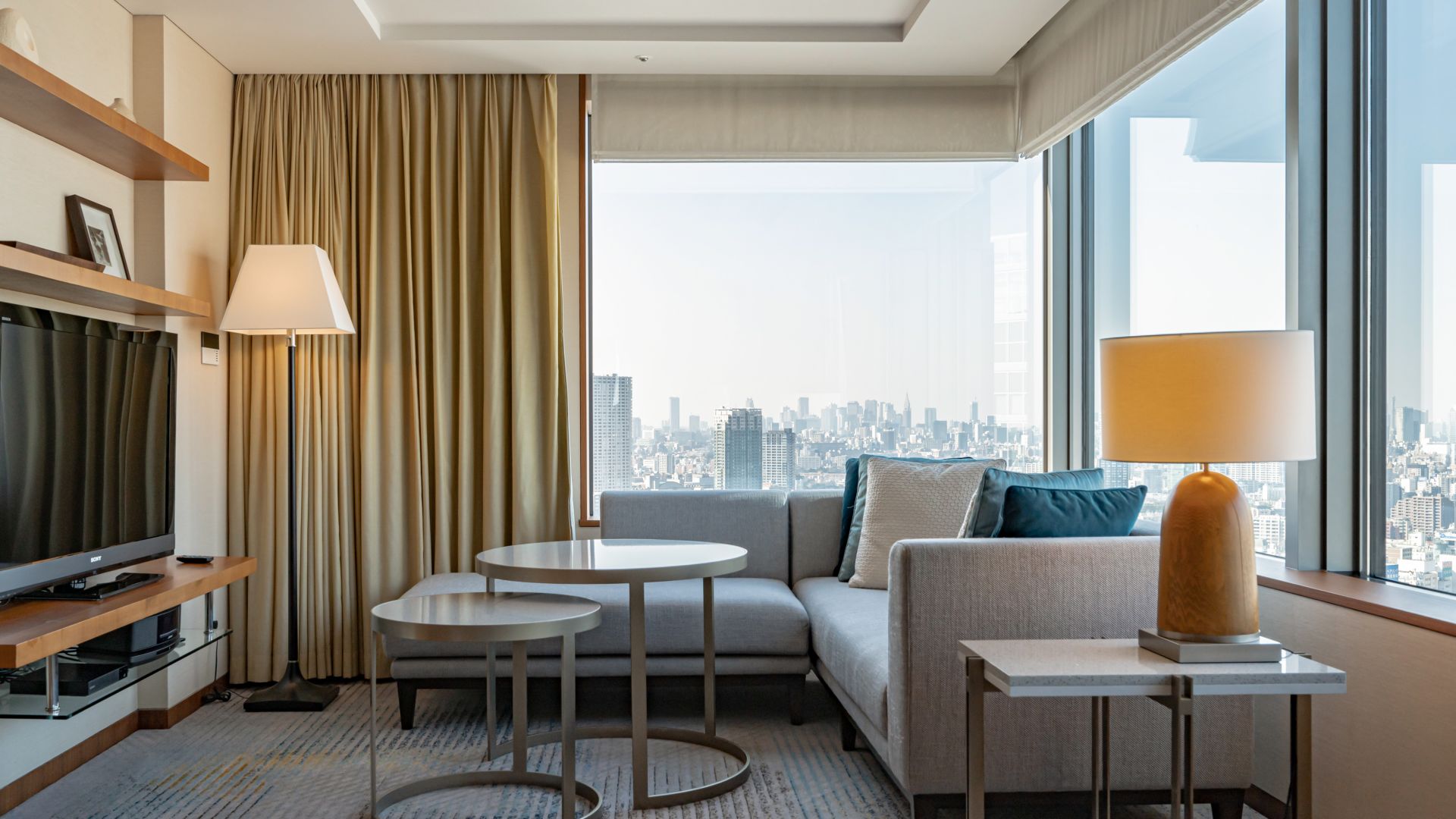
Tokyo, a bustling metropolis, is known for its vibrant culture, advanced technology, and exceptional hospitality. When it comes to luxury accommodations, the city offers a plethora of opulent hotels that redefine comfort and elegance. These establishments not only provide lavish rooms but also an array of amenities designed to pamper guests and enhance their stay.Among the standout luxury hotels in Tokyo, several have garnered a reputation for their exceptional service, exquisite dining options, and unparalleled experiences.
Below is a detailed overview of some of the top luxury hotels, highlighting their unique features and guest feedback.
Top Luxury Hotels in Tokyo
Tokyo’s luxury hotel scene is characterized by architectural beauty, attentive service, and premium facilities that cater to both business and leisure travelers. Here are the most notable luxury hotels in the city:
- The Peninsula Tokyo
The Peninsula Tokyo is a magnificent blend of modern sophistication and traditional Japanese elegance. Situated near the Imperial Palace, it offers stunning city views and spacious rooms adorned with contemporary decor. Guests can indulge in gourmet dining at one of its acclaimed restaurants or relax at the award-winning spa.
“One of the best hotel experiences I’ve had! The staff was incredibly attentive and made us feel special throughout our stay.”
-Five-star review - Mandarin Oriental Tokyo
Located in the heart of Nihonbashi, the Mandarin Oriental Tokyo offers an urban sanctuary with panoramic views of the city skyline. This hotel is renowned for its luxurious accommodations and a world-class spa. Guests can savor exquisite cuisine at its Michelin-starred restaurants, making it a top choice for food lovers.
“The best part was the stunning spa overlooking the city! A truly relaxing experience.”
-Four-star review - Shangri-La Hotel Tokyo
With a prime location next to Tokyo Station, the Shangri-La Hotel Tokyo combines Asian hospitality with Western luxury. The hotel’s rooms are elegantly designed, featuring high-end amenities and personalized service. The renowned Horizon Club offers exclusive benefits, including a private lounge and complimentary breakfast.
“The attention to detail is impeccable. Highly recommend for anyone seeking luxury in Tokyo.”
-Five-star review - Park Hyatt Tokyo
Park Hyatt Tokyo is a serene oasis in the bustling Shinjuku area. It is known for its minimalist design and impressive art collection. The spacious rooms provide breathtaking views of Mount Fuji and the city, while the hotel’s library and pool offer a tranquil escape. The dining options focus on high-quality, seasonal ingredients.
“A perfect blend of tranquility and luxury. Every moment spent here felt special.”
-Five-star review - Ritz-Carlton Tokyo
Set in the heart of Roppongi, the Ritz-Carlton Tokyo is synonymous with luxury. Its rooms feature stunning views of Tokyo Tower and the surrounding skyline. The hotel boasts a lavish spa and fine dining options, including a restaurant that specializes in traditional kaiseki cuisine.
“An extraordinary experience! The service was top-notch, and the views were breathtaking.”
-Four-star review
The luxury hotels in Tokyo consistently receive high ratings from guests who appreciate their unique offerings and exceptional service. Whether you’re seeking a romantic getaway, a family vacation, or a corporate retreat, these hotels provide an unforgettable experience marked by comfort and elegance.
Budget-Friendly Hotels
Tokyo, a bustling metropolis known for its vibrant culture and unique blend of tradition and modernity, offers a wide range of accommodations catering to different budgets. For travelers looking to explore this incredible city without breaking the bank, budget-friendly hotels provide excellent options that ensure comfort and convenience while keeping costs down. Whether you’re a backpacker or a family looking for an affordable stay, Tokyo has something for everyone.
When searching for budget accommodations in Tokyo, it’s essential to consider a few tips to maximize your savings. Booking in advance can often secure better rates, while staying in less touristy neighborhoods can provide a more authentic experience and lower prices. Additionally, using comparison websites can help you find the best deals and special promotions that many hotels offer. Keep an eye out for packages that include breakfast or other amenities, as these can enhance your stay without significantly increasing your budget.
Affordable Hotel Options
Tokyo is home to numerous budget hotels that offer comfort, cleanliness, and convenient access to transportation. Below is a selection of highly-rated budget-friendly hotels that have garnered positive feedback from travelers:
-
Shinjuku Granbell Hotel
-Rated 8.3/10Located in the heart of Shinjuku, this hotel blends modern decor with traditional Japanese aesthetics.
Key Features: Rooftop bar, on-site restaurant, close to major attractions.
-
Hotel Gracery Shinjuku
-Rated 8.5/10This iconic hotel features a Godzilla-themed exterior and is situated in one of Tokyo’s busiest districts.
Key Features: Unique themed rooms, convenient location, free Wi-Fi.
-
Capsule Hotel Anshin Oyado Premier
-Rated 9.0/10Combining affordability and modern amenities, this capsule hotel offers a unique and cozy experience.
Key Features: Spacious capsules, communal areas, complimentary drinks.
-
Toyoko Inn Tokyo Shinjuku Kabukicho
-Rated 7.8/10A budget hotel chain known for its consistency and quality, offering comfortable stays in vibrant areas.
Key Features: Free breakfast, clean rooms, close to subway stations.
-
Hikari House
-Rated 8.7/10Located near Ikebukuro, Hikari House provides a cozy atmosphere with easy access to shopping and dining.
Key Features: Kitchen facilities, laundry service, friendly staff.
These budget hotels not only provide essential amenities but also serve as great bases for exploring Tokyo’s rich culture and attractions. By choosing the right hotel, travelers can enjoy a memorable experience in this dynamic city without overspending.
Unique Hotel Experiences

Tokyo is known for its vibrant culture and innovation, and this extends to its hotel scene. Travelers looking for something different will find a variety of unique accommodations that offer more than just a place to sleep. From traditional ryokans that provide a taste of Japanese heritage to modern capsule hotels that epitomize efficiency and convenience, Tokyo has something for every adventurous spirit.
These unique stays combine comfort with cultural experiences, making them an appealing choice for anyone seeking to immerse themselves in the local ambiance.Unique hotels and themed accommodations play a significant role in enhancing the travel experience. They not only provide a place to rest but also a chance to engage with the local culture in a distinctive way. Here are a few examples of unique hotel experiences that highlight the diversity and creativity found in Tokyo’s hospitality sector.
Capsule Hotels
Capsule hotels are a quintessential part of Tokyo’s accommodation landscape, offering a novel approach to lodging. These compact, space-efficient rooms are designed to maximize comfort while minimizing physical space, making them ideal for budget-conscious travelers and those seeking a unique experience. Some notable features of capsule hotels include:
- Efficient Use of Space: Each capsule is equipped with essential amenities, including a mattress, light, and sometimes a TV, all within a compact unit that offers privacy without the bulk of traditional hotel rooms.
- Social Environment: Many capsule hotels have communal areas where guests can relax and meet fellow travelers, fostering a sense of community and shared experience.
- Affordability: Prices are generally lower than conventional hotels, allowing guests to spend more on exploring the city rather than on accommodation.
- Unique Design: Various capsule hotels incorporate innovative designs and themes, creating a memorable atmosphere that enhances the overall experience.
Ryokans
Staying at a ryokan offers a glimpse into traditional Japanese hospitality, combining comfort with cultural immersion. These inns typically feature tatami mat flooring, futon bedding, and communal baths, allowing guests to experience the tranquil ambiance of Japan’s heritage. The allure of ryokans lies in their personalized service and serene settings. Key aspects include:
- Authentic Japanese Cuisine: Many ryokans serve kaiseki meals—multi-course dinners that highlight seasonal ingredients, providing an intimate culinary experience.
- Onsen Baths: Some ryokans are located near hot springs, offering guests rejuvenating bathing experiences that are deeply rooted in Japanese culture.
- Attention to Detail: Ryokans emphasize exceptional service and aesthetics, ensuring every aspect of your stay is thoughtfully curated.
- Connection to Nature: Many ryokans are situated in peaceful environments, such as gardens or by rivers, allowing guests to unwind amidst natural beauty.
“Unique hotel experiences in Tokyo provide travelers with memories that last a lifetime, immersing them in the rich tapestry of Japanese culture.”
These unique accommodations not only cater to a range of preferences but also contribute to a more enriching travel experience in Tokyo. Whether it’s the futuristic charm of capsule hotels or the serene elegance of ryokans, these stays offer something special that extends beyond the ordinary hotel visit.
Booking Tips for Hotels in Tokyo
When it comes to booking a hotel in Tokyo, a little preparation can go a long way. The city’s hotel landscape can be overwhelming due to the sheer number of options available, ranging from luxurious stays to budget-friendly choices. Understanding how to navigate this vibrant market is essential for securing the best deals and ensuring a comfortable and enjoyable experience.To maximize your experience while minimizing costs, consider the following practical tips when booking hotels in Tokyo.
Being mindful of timing and personal preferences can lead to significant savings and a more tailored accommodation experience.
Best Times to Book for Lower Rates
Booking at the right time can drastically affect the rates you encounter. Here are some key points to consider:
- Book Early: Securing your hotel well in advance often leads to lower prices, especially during peak travel seasons such as cherry blossom season in spring (March to April) and the autumn foliage season (late October to November).
- Monitor Midweek Rates: Hotels often lower rates from Sunday to Thursday compared to weekend stays, so consider planning your trip around these days.
- Look for Last-Minute Deals: If you’re flexible with your travel plans, booking last minute can sometimes yield great bargains, especially for unsold inventory.
Checklist for Selecting the Right Hotel
Choosing the right hotel involves evaluating various factors that align with your travel needs. Here’s a checklist to guide your decision-making:
- Location: Proximity to public transportation, attractions, and dining options can enhance your overall experience.
- Price Range: Determine your budget before you start searching to filter out options that may not be feasible.
- Amenities: Consider what’s essential for you, such as Wi-Fi, breakfast, or laundry services. Check reviews to confirm the quality of these amenities.
- Room Size: Especially for longer stays, ensure the room size meets your needs, as Tokyo’s rooms can be smaller than in other countries.
- Cancellation Policy: Understand the cancellation terms of your booking to avoid penalties if your travel plans change.
When you plan ahead and choose wisely, your stay in Tokyo can be both memorable and cost-effective.
Hotel Amenities and Services
Hotels in Tokyo offer a diverse range of amenities and services that cater to the varying needs and expectations of travelers. Whether you’re staying in a luxury hotel or a budget-friendly option, you’ll likely find features designed to enhance your comfort and convenience. Understanding these amenities not only helps you choose the right hotel but also maximizes your experience during your stay.One notable aspect of many Tokyo hotels is the emphasis on service quality.
Amenities go beyond just comfort; they include essential services such as shuttle transportation and concierge support, which significantly enhance the overall guest experience. These services are particularly valuable in a bustling metropolis like Tokyo, where navigating the city can be overwhelming for first-time visitors.
Common Hotel Amenities
When selecting a hotel, it’s important to consider what amenities are available, as they can greatly influence your stay. Below is a detailed list of common amenities offered by hotels in Tokyo across various categories.
- Free Wi-Fi: Almost all hotels provide complimentary internet access to keep guests connected.
- 24-Hour Front Desk: Essential for check-ins, check-outs, and assistance at any time of the day or night.
- On-Site Dining: Many hotels feature restaurants or cafes offering both local and international cuisine.
- Fitness Center: A space to maintain your workout routine, often equipped with modern exercise machines.
- Spa Services: Some hotels offer wellness treatments and massages to help guests unwind after a day of exploring.
- Laundry Services: Convenient for longer stays, these services ensure guests always have fresh clothes.
- Room Service: Ideal for those who prefer dining in the comfort of their hotel room.
Importance of Shuttle Transportation and Concierge Services
Shuttle transportation and concierge services are significant amenities that enhance the convenience of your stay. Shuttle services often provide transportation to and from major airports, train stations, and popular tourist destinations, making it easier for guests to navigate the city without the hassle of public transport. Concierge services offer personalized assistance, helping guests with reservations, local recommendations, and itinerary planning.
This can be invaluable for first-time visitors unfamiliar with Tokyo’s vast array of attractions and dining options.
Amenities Comparison Table
Comparing amenities can simplify your decision-making process. The following table illustrates the typical amenities available across different hotel categories in Tokyo:
| Amenities | Luxury Hotels | Mid-Range Hotels | Budget Hotels |
|---|---|---|---|
| Free Wi-Fi | ✔ | ✔ | ✔ |
| 24-Hour Front Desk | ✔ | ✔ | ✔ |
| On-Site Dining | ✔ | ✔ | ✖ |
| Fitness Center | ✔ | ✖ | ✖ |
| Spa Services | ✔ | ✖ | ✖ |
| Room Service | ✔ | ✖ | ✖ |
| Concierge Services | ✔ | ✔ | ✖ |
Cultural Considerations When Staying in Hotels
Staying in hotels in Tokyo isn’t just about comfort and convenience; it’s also an opportunity to immerse yourself in Japanese culture. Understanding the local customs and etiquette can enhance your travel experience and help you connect with the hospitality that Japan is renowned for. Here’s a closer look at the cultural norms you should be aware of while enjoying your stay.
Cultural Norms and Etiquettes
Japan places great emphasis on respect and politeness, especially within the hospitality industry. When checking into a hotel, greet the staff with a polite bow and a simple “Konnichiwa” (Hello). It’s customary to remove your shoes when entering certain areas of the hotel, especially ryokans (traditional inns). Additionally, ensure that you follow any specific customs related to the hotel’s culture, which may include using provided slippers for indoor areas.Tipping is generally not practiced in Japan, as excellent service is considered standard.
Instead, staff members take pride in their work and offering a tip may be viewed as an insult. If you feel compelled to show appreciation, consider giving a small gift or a thank-you note instead.
Check-in and Check-out Process
The check-in process at hotels in Tokyo typically involves presenting your reservation details and identification. Most hotels appreciate a polite greeting upon arrival. Expect a warm welcome, with staff often bowing as a sign of respect. To facilitate the process, have your passport and booking confirmation ready, as this will speed up your check-in.During check-out, it’s common to return your room keys at the front desk, where staff will thank you for your stay with a smile and another bow.
Many hotels have express check-out options, allowing you to leave without needing to settle your bill in person.
Local Customs Regarding Tipping and Service
In Japan, the act of tipping is not only uncommon but can also be misunderstood. Service charges are often included in the room rate, and staff members pride themselves on providing excellent service without expecting extra compensation. Here are some key points regarding tipping and service in Japanese hotels:
- Tipping is not expected and may be considered rude.
- Exceptional service is standard and included in the pricing.
- If you wish to express gratitude, consider giving a small gift or writing a thank-you note.
- Expressing appreciation verbally is highly valued; simple phrases like “Arigatou gozaimasu” (Thank you very much) are appreciated.
By immersing yourself in these cultural considerations, you will not only enhance your hotel experience but also cultivate a deeper appreciation for Japan’s rich traditions and customs.
Helpful Answers
What are the best districts to stay in Tokyo?
Shinjuku, Shibuya, and Ginza are among the most popular districts for their accessibility, nightlife, and shopping options.
How far in advance should I book my hotel in Tokyo?
It’s recommended to book at least a few months in advance, especially during peak travel seasons, to secure the best rates and availability.
Are there family-friendly hotels in Tokyo?
Yes, many hotels in Tokyo offer family-friendly amenities such as spacious rooms, children’s activities, and easy access to attractions.
What is the average cost of a hotel in Tokyo?
The average cost can vary widely; budget hotels start around $50 per night, while luxury options can exceed $500.
Is it customary to tip in hotels in Tokyo?
Tipping is not common in Japan, and excellent service is often included in the overall experience, so it is not expected.
