Ryokan in Kyoto offers a fascinating insight into traditional Japanese hospitality, where every detail is designed to provide a serene retreat from the hustle and bustle of modern life. These inns, steeped in history and culture, serve as a gateway to understanding the essence of Japanese customs and aesthetics.
With roots that trace back centuries, ryokan have evolved while maintaining their core values of service and comfort. Each ryokan is distinct, showcasing traditional architecture, elegant tatami mat rooms, and signature kaiseki meals that reflect the seasons, giving guests a taste of the local culture in an authentic setting.
Introduction to Ryokan in Kyoto
A ryokan is a traditional Japanese inn, offering a unique glimpse into the country’s rich culture and hospitality. These establishments are characterized by their tatami-matted rooms, futon bedding, and communal baths, embodying the essence of Japanese aesthetics and lifestyle. Their significance lies not just in providing accommodation but also in fostering a deep connection with nature, tranquility, and the art of Japanese living.The history of ryokan in Kyoto dates back to the Edo period (1603-1868), when travelers sought places to rest during pilgrimages or while visiting this cultural hub.
Originally, ryokan served as rest stops for weary travelers, gradually evolving into establishments that offered more refined amenities and experiences. Kyoto, with its historical temples and serene landscapes, became a focal point for the development of ryokan, which now often feature kaiseki dining—an elaborate multi-course meal that showcases seasonal ingredients and meticulous presentation.
Unique Features of Ryokan
Ryokan stands apart from other accommodation types through several distinctive features that enhance the guest experience. Understanding these key aspects reveals why staying in a ryokan is often deemed an essential part of visiting Japan.
- Tatami Rooms: Rooms are furnished with tatami mats made from rice straw, providing a unique, natural atmosphere. Guests sleep on futons laid out on the tatami, creating a close connection to the traditional Japanese lifestyle.
- Onsen (Hot Springs): Many ryokan are located near natural hot springs, offering guests the chance to relax in soothing waters, celebrated for their healing properties. The experience is often communal, fostering a sense of community and relaxation.
- Kaiseki Cuisine: Most ryokan provide kaiseki meals, which are meticulously prepared to highlight the flavors and aesthetics of seasonal ingredients. This dining experience is an art form, elevating simple food into a feast for the senses.
- Omotenashi: The spirit of Japanese hospitality, known as omotenashi, is a cornerstone of the ryokan experience. This philosophy emphasizes anticipating guests’ needs and providing exceptional service with sincerity.
- Zen Gardens: Many ryokan feature beautifully landscaped gardens, designed to reflect the natural beauty of the surrounding environment. These gardens often serve as peaceful retreats for reflection and relaxation.
The ryokan experience is more than just a place to stay; it’s an immersion into the heart of Japanese culture.
Types of Ryokan in Kyoto
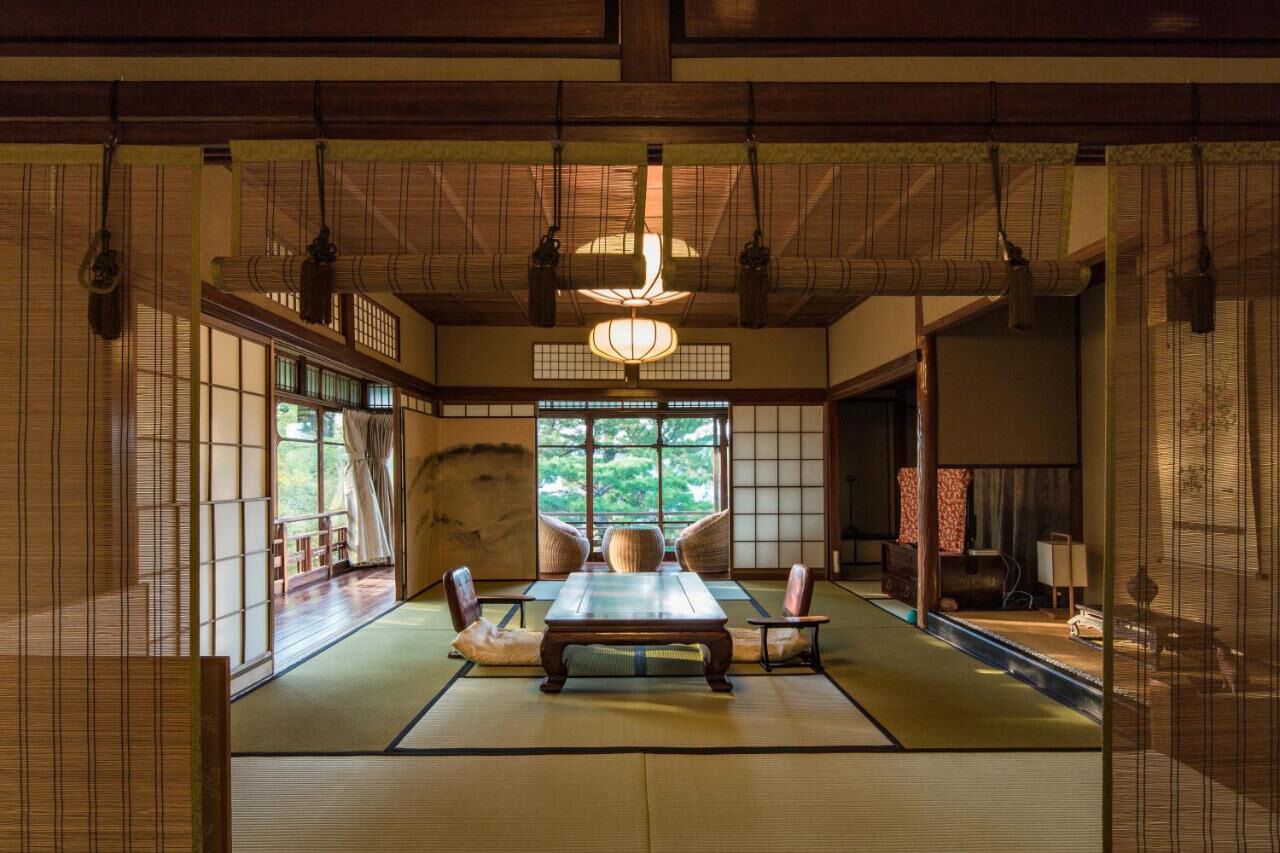
In Kyoto, ryokan are an integral part of the cultural experience, offering a glimpse into Japan’s rich heritage. These traditional inns vary widely, catering to different preferences and budgets, from luxurious escapes to charming budget-friendly spots. Each ryokan often has its unique character, style, and ambiance, reflecting the region’s historical and cultural tapestry.The diversity among ryokan can be categorized based on luxury levels and stylistic approaches.
Understanding these distinctions can help travelers choose the perfect accommodation to enhance their Kyoto experience.
Luxury Ryokan
Luxury ryokan provide the ultimate in comfort and personalized service, often featuring exquisite design and high-end amenities. They are perfect for those looking to indulge in a pampered getaway, complete with gourmet dining and lavish facilities. Notable examples include:
- Kai Kyoto: Known for its stunning kaiseki meals, this ryokan combines modern elegance with traditional Japanese aesthetics, offering private onsens and serene gardens.
- Gion Hatanaka: Situated in the historical Gion district, this ryokan features traditional tatami rooms and access to a beautiful garden, showcasing the essence of Kyoto’s culture.
Mid-Range Ryokan
Mid-range ryokan strike a balance between comfort and affordability, making them an excellent choice for travelers seeking quality without breaking the bank. These establishments often maintain a traditional atmosphere while providing modern conveniences.
- Ryokan Shimizu: Offering clean and comfortable rooms, Ryokan Shimizu features a communal bath and is conveniently located near Kyoto’s main attractions.
- Kyoto Ryokan Hoshinoya: This mid-range option is set along the river and provides a tranquil atmosphere with both traditional and contemporary elements.
Budget Ryokan
Budget ryokan allow visitors to experience traditional Japanese hospitality at a lower price point. These options are ideal for backpackers or those looking to save on accommodation without sacrificing the experience.
- Ryokan Hifumi: A cozy and welcoming option, this ryokan offers simple yet comfortable rooms with a focus on friendly service and a homey atmosphere.
- Ryokan K’s House Kyoto: A popular choice among budget travelers, this ryokan provides dormitory-style accommodations alongside private rooms, fostering a community vibe.
Styles of Ryokan
The styles of ryokan can vary significantly, offering unique experiences based on architectural design and service philosophy. Traditional ryokan often feature tatami mat flooring, sliding shoji doors, and communal baths, maintaining the historical essence of Japanese hospitality.
- Traditional Ryokan: These inns emphasize a classic aesthetic, often steeped in the customs of the Edo period, showcasing traditional crafts and decor.
- Modern Ryokan: Incorporating contemporary design elements, modern ryokan provide updated amenities while still honoring traditional practices, creating a blend of old and new.
- Boutique Ryokan: With a focus on unique design and personalized experiences, boutique ryokan often highlight local art and culture, providing an intimate stay.
Each ryokan offers a unique opportunity to experience the charm of Kyoto, making it essential to choose one that matches your preferences and budget.
Experience and Amenities
Staying at a ryokan in Kyoto is not just about a place to sleep; it is an immersion into Japanese culture and hospitality. Visitors can look forward to a unique blend of traditional aesthetics and modern comforts. The ryokan experience typically encompasses a serene atmosphere, where every aspect is designed to facilitate relaxation and mindfulness.In terms of cuisine, ryokans are renowned for their exceptional dining experiences, particularly kaiseki meals, which hold significant cultural importance.
Kaiseki is a traditional multi-course dinner that showcases seasonal ingredients and the chef’s artistry. This dining style is not only about nourishment but also an expression of Japanese aesthetics and philosophy.
Traditional Meals and Kaiseki Cuisine
Kaiseki cuisine served at ryokans is an exquisite reflection of the seasons and regional ingredients. This meal format emphasizes not only taste but also presentation, making dining a visual and sensory experience. Typically, a kaiseki meal consists of several courses, each meticulously prepared and beautifully plated. The components of a kaiseki meal often include:
- Start with an appetizer, known as ‘sakizuke’, that sets the theme for the meal.
- The ‘nimono’ (simmered dish) showcases vegetables and fish, slow-cooked to enhance flavors.
- Grilled items (‘yakimono’) highlight seasonal catches, often accompanied by a dipping sauce.
- Raw dishes (‘sashimi’) reflect the freshness of the ingredients, emphasizing quality and skill.
- A palate cleanser, such as a light soup (‘suimono’), refreshes before the main dishes.
- The meal usually concludes with a dessert, typically featuring seasonal fruits or traditional sweets.
This meal not only satisfies hunger but also tells a story about the land, its seasons, and its traditions.
Common Amenities in Ryokans
When it comes to amenities, ryokans are equipped to provide guests with an authentic and comfortable experience. One of the standout features is the onsen (hot springs), which offer a therapeutic escape through natural mineral waters. This communal bathing experience is deeply ingrained in Japanese culture and is often surrounded by picturesque landscapes, allowing guests to unwind fully.Additionally, the interiors of ryokans typically feature tatami mats and futons.
Tatami mats, made from rice straw and covered with woven rush grass, provide a distinct texture underfoot, bringing a sense of tradition into the space. Futons, which are laid out on the tatami for sleeping, are often filled with soft cotton and offer a cozy sleeping experience, allowing for a restful night.
“Staying at a ryokan is not just an overnight stay; it’s an invitation to experience the harmony between nature and hospitality.”
The combination of these amenities creates a calming environment, fostering both relaxation and a deeper appreciation for Japanese culture and lifestyle. Whether enjoying a soak in the onsen or sleeping on a futon, every moment in a ryokan is designed to enhance the guest’s connection to the serene surroundings of Kyoto.
Cultural Practices and Etiquette
Staying at a ryokan is more than just an overnight experience; it’s an immersion into Japanese culture and traditions. Understanding the cultural practices and etiquette expected during your stay enhances both your comfort and enjoyment. Embracing these customs allows for a more authentic interaction with the ambiance and service that ryokans are renowned for.A few key cultural practices and etiquettes should be observed while staying in a ryokan.
These practices not only reflect respect for the culture but also ensure you have an enriching experience. Adhering to these customs facilitates smoother interactions with staff and fellow guests while immersing you in the tranquil atmosphere that ryokans are designed to provide.
Etiquette Around Dining
Dining in a ryokan often involves multi-course kaiseki meals, showcasing seasonal ingredients and Japanese culinary artistry. It’s important to follow these etiquette guidelines during meals:
- Remove your shoes at the entrance before entering the dining area, as is customary in many Japanese homes.
- Wait for the host to offer the first toast before starting to eat; typically, the phrase “Itadakimasu” is expressed before digging into your meal.
- Use both hands when receiving or giving items, such as food or drinks, as a sign of respect.
- Do not stick your chopsticks upright in your rice bowl, as this resembles a funeral custom and is considered bad luck.
- Finish all the food on your plate; leaving food may signal disinterest or disrespect towards the chef’s efforts.
Etiquette Around Bathing
The onsen or communal bath experience in a ryokan is sacred, requiring specific etiquette to respect the traditions surrounding it. Here are essential customs to follow:
- Shower thoroughly before entering the onsen to maintain cleanliness, using the provided shower stations with stools, hand-held showers, and soap.
- Swimwear is typically not allowed; nudity is the norm, so be comfortable with your surroundings. Private baths may allow for swimwear if specified.
- Do not bring towels into the water but use them to cover yourself when walking to and from the bathing area.
- Keep noise to a minimum to maintain a serene atmosphere and respect the tranquility of others.
Interaction with Staff
Staff members at ryokans are professionals trained to provide exceptional service, making interactions vital to your experience. Keep these points in mind:
- Bow slightly when greeting staff, as this is a traditional sign of respect in Japanese culture.
- Use polite language; simple phrases like “Arigatou gozaimasu” (thank you) go a long way in expressing gratitude.
- Be patient and understanding, as staff may have a different pace of service compared to Western norms, prioritizing quality over speed.
- When receiving services, such as room tours or meal explanations, listen attentively and show appreciation for their efforts.
“Embracing the etiquette of a ryokan not only enriches your stay but also pays respect to the rich cultural heritage of Japan.”
Location Highlights
Kyoto is renowned for its stunning landscapes, rich history, and vibrant culture, making it a prime destination for those seeking an authentic ryokan experience. The charm of staying in a ryokan is magnified when you find one nestled in the right neighborhood, allowing you to immerse yourself fully in the local culture while being close to key attractions. Below, we’ll explore some of the best areas in Kyoto where ryokan can be found, along with nearby attractions that enhance your stay.
Top Areas for Ryokan Stays
Choosing the right area for your ryokan stay is crucial for making the most of your Kyoto experience. Here are some of the top neighborhoods that are popular for ryokan accommodations:
- Gion: This historic district is famous for its traditional wooden machiya houses and geisha culture. A stay in a ryokan here places you in the heart of Kyoto’s old-world charm, with easy access to tea houses, boutiques, and cultural performances.
- Arashiyama: Known for its stunning bamboo groves and picturesque scenery, this area offers a tranquil retreat. Staying in a ryokan here allows you to enjoy a peaceful environment while being close to attractions like the Iwatayama Monkey Park and the iconic Togetsukyo Bridge.
- Kita-ku: This residential area features ryokan that provide a more local experience, away from the tourist crowds. Explore the nearby Daitoku-ji Temple complex and enjoy local dining options in a serene setting.
- Higashiyama: Nestled near many of Kyoto’s key temples and shrines, this area is perfect for cultural enthusiasts. With access to the Kiyomizu-dera Temple and the Philosopher’s Path, staying in a ryokan here offers both comfort and cultural richness.
Nearby Attractions and Activities
Staying in a ryokan offers a unique opportunity to explore nearby attractions and engage in activities that highlight Kyoto’s culture. Here are some must-visit spots and experiences that complement your stay:
- Temples and Shrines: Kyoto is home to over 1,600 Buddhist temples and 400 Shinto shrines. Notable sites include Kinkaku-ji (the Golden Pavilion) and Fushimi Inari Taisha, famous for its thousands of vermillion torii gates.
- Cultural Experiences: Participate in traditional tea ceremonies, kimono-wearing experiences, and ikebana (flower arranging) workshops available near many ryokan.
- Local Cuisine: Savor kaiseki (traditional multi-course meal) at nearby restaurants or even arranged through your ryokan, offering a culinary journey through seasonal ingredients.
Accessibility and Transportation
Kyoto has a well-connected transportation system, making it easy to travel to and from your chosen ryokan. Here are some key options for getting around:
- Public Transit: The city boasts an extensive bus and subway network. Most ryokan are within walking distance from major bus stops or subway stations, making it convenient to reach popular attractions.
- Bicycles: Many ryokan offer bicycle rentals, allowing guests to explore the city at their own pace while enjoying the scenic routes along the rivers and temples.
- Taxis: Although more expensive, taxis can provide a direct and comfortable option for traveling, especially late in the evening or to less accessible areas.
“Staying in a ryokan not only provides a place to rest but also immerses you in the essence of Kyoto’s culture and traditions.”
Booking and Tips for Travelers
When planning a stay at a ryokan in Kyoto, effective booking is crucial to ensure a memorable experience. With a multitude of options available, understanding how to navigate the booking process can enhance your visit, allowing you to focus on enjoying the unique atmosphere and cultural elements that ryokans offer.Timing your visit and understanding check-in and check-out procedures can greatly impact your stay.
Kyoto is a popular destination year-round, but certain seasons attract more visitors. Knowing when to book your accommodation will not only help you secure the best rates but also ensure a more tranquil experience without overwhelming crowds.
Booking Tips and Best Times to Visit
To maximize your experience, consider the following actionable tips when booking a ryokan in Kyoto:
- Book Early: Reservations for popular ryokans can fill up quickly, especially during cherry blossom season (March to April) and the fall foliage season (November). Aim to book at least a few months in advance.
- Choose Off-Peak Times: Visiting in the off-peak seasons, such as late autumn or winter, can lead to better rates and a more serene atmosphere.
- Check for Packages: Some ryokans offer special packages that include meals or tours. These can provide significant savings and enhance your experience.
- Consider Ratings and Reviews: Consult trusted travel platforms and read reviews from previous guests to gauge the quality and service level of the ryokan.
- Direct Booking: Whenever possible, book directly through the ryokan’s website. This can sometimes yield better rates or exclusive offers.
Knowing the check-in and check-out procedures is essential for a smooth arrival and departure. Most ryokans have a traditional check-in time around 3 PM, allowing you to settle in and enjoy a welcome tea. Check-out is typically around 10 AM, so be mindful of this to avoid any rush. Always confirm these times directly with your chosen ryokan, as they can vary.
Potential Pitfalls to Avoid
Navigating the ryokan booking process can be daunting, so here are common pitfalls to steer clear of:
- Ignoring Cancellation Policies: Before finalizing your booking, review the cancellation policy. Some ryokans have strict policies that could result in forfeited deposits if plans change.
- Overlooking Meal Options: Many ryokans offer breakfast and dinner as part of the stay. Make sure to inquire about meal options and whether they cater to specific dietary restrictions.
- Underestimating Space: Traditional ryokan rooms may be smaller than typical hotel rooms. Be mindful of room sizes when booking to ensure comfort during your stay.
- Neglecting Cultural Practices: Familiarize yourself with basic ryokan etiquette, such as removing shoes upon entry and respecting quiet hours, to enhance your experience and avoid unintentional disrespect.
- Failing to Communicate Needs: If you have specific requests, such as room preferences or accessibility needs, don’t hesitate to communicate them to the ryokan in advance.
Personal Recommendations and Reviews: Ryokan In Kyoto
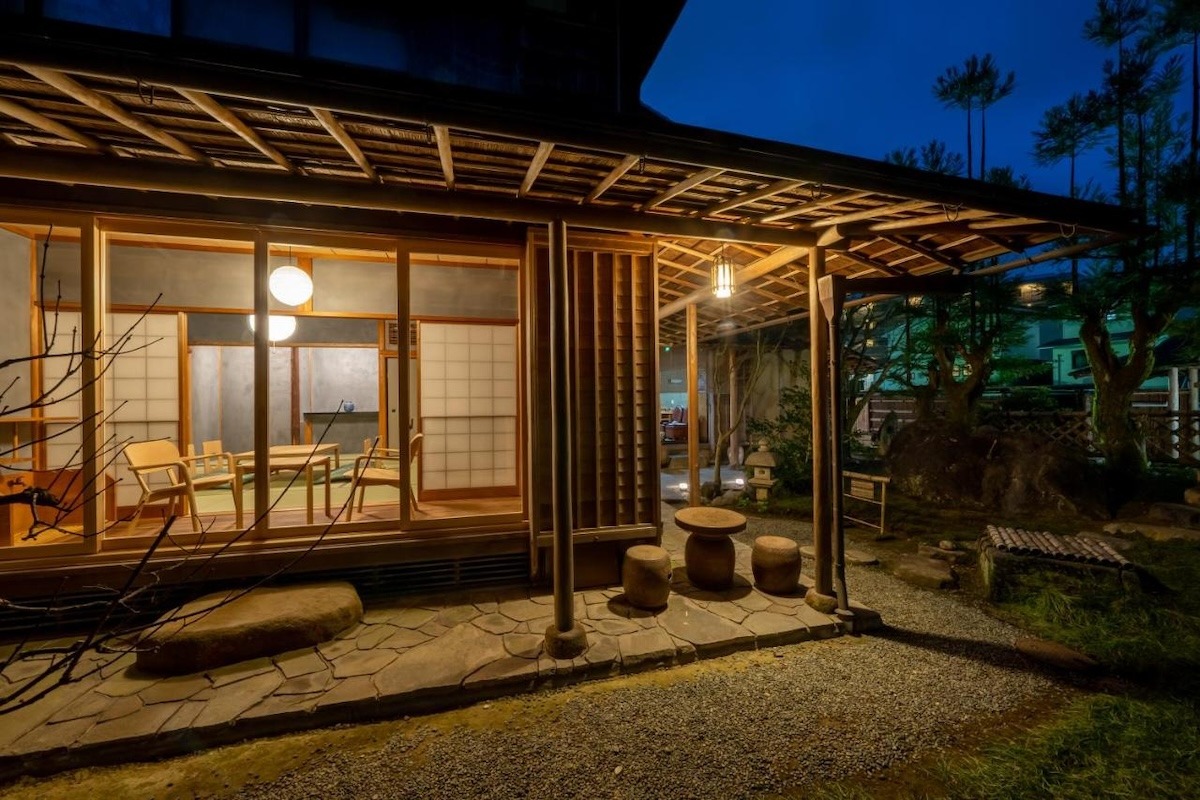
When it comes to experiencing the authentic charm of a ryokan in Kyoto, traveler recommendations and reviews can provide invaluable insights. The following list highlights some of the most highly rated ryokan based on guest experiences, offering a glimpse into the serene and cultural atmosphere they provide. Customer testimonials further enrich this understanding, shedding light on the unique offerings of each ryokan.
Highly Recommended Ryokan
Exploring various ryokan allows travelers to find the perfect fit for their preferences and needs. Below is a curated list of acclaimed ryokan in Kyoto, known for their exceptional service and distinctive features:
- Kai Kyoto: Nestled in the heart of Kyoto, this ryokan is celebrated for its luxurious amenities and exquisite kaiseki dining. Guests rave about the tranquil atmosphere and stunning garden views.
- Hiiragiya: A historic ryokan that has hosted numerous dignitaries, Hiiragiya is praised for its impeccable service and traditional tatami rooms. Many reviews highlight the personalized attention from staff and the authentic experience.
- Gion Hatanaka: Located near the famous Gion district, this ryokan is well-loved for its cultural performances and proximity to historic sites. Guests often mention the warm hospitality and delicious meals served here.
- Yoshida Sanso: This ryokan offers a more secluded experience, surrounded by nature. Reviews frequently note the peace and quiet, along with the opportunity to enjoy nature walks and local cuisine.
- Tawaraya Ryokan: Known for its elegance and refined aesthetics, Tawaraya provides a unique blend of modern comforts and traditional design. Visitors often express their admiration for the attention to detail in the decor and service.
Customer Reviews and Testimonials, Ryokan in Kyoto
Reading what previous guests say can greatly enhance decision-making. Here are some testimonials that highlight the memorable experiences at various ryokan:
“Staying at Kai Kyoto was like stepping into a dream. The kaiseki meals were a culinary journey and the staff made us feel like royalty!”
“Hiiragiya is a gem! The level of service was exceptional, and the history of the place added to its charm. I felt like I was living in another era.”
“Gion Hatanaka offered the perfect blend of culture and comfort. Attending the traditional performances was a highlight of our trip!”
Comparative Experience Across Different Ryokan
It’s important to understand that each ryokan offers a unique experience, shaped by its location, amenities, and philosophy. Here’s a comparison of some key factors across the highlighted ryokan:
| Ryokan Name | Amenities | Cuisine | Location |
|---|---|---|---|
| Kai Kyoto | Spa, Garden | Kaiseki | City Center |
| Hiiragiya | Onsen, Historic Rooms | Traditional Japanese | Near Imperial Palace |
| Gion Hatanaka | Cultural Performances | Kaiseki | Gion District |
| Yoshida Sanso | Nature Trails | Local Cuisine | Secluded Area |
| Tawaraya Ryokan | Luxury Amenities | Seasonal Dishes | Urban Location |
This comparison illustrates the distinctive offerings of each ryokan, assisting travelers in making informed choices based on their personal preferences, whether they prioritize luxury, cultural immersion, or nature.
Future of Ryokan in Kyoto

As consumer preferences shift and global travel trends evolve, the future of ryokan in Kyoto appears to be poised for significant changes. This iconic form of accommodation, deeply rooted in Japanese culture, is navigating through modernization while striving to maintain its traditional essence. Understanding emerging trends, challenges, and the impact of modernization will provide insight into what lies ahead for ryokan establishments in this historic city.
Emerging Trends in the Ryokan Industry
In recent years, several trends have emerged within the ryokan industry, reflecting the changing demands of travelers. One notable trend is the increased focus on sustainability and eco-friendliness. Many ryokans are adopting green practices, such as using locally sourced materials, implementing energy-efficient systems, and prioritizing organic food options. This movement not only attracts environmentally conscious travelers but also helps preserve Kyoto’s cultural heritage and natural beauty.Additionally, digital transformations are influencing how ryokans operate.
Many establishments are embracing technology to enhance guest experiences, such as offering online bookings, virtual tours, and contactless check-in processes. This modernization allows ryokans to appeal to a broader audience, especially younger travelers who value convenience and innovation.
Challenges Faced by Ryokan Establishments
Despite the positive trends, ryokan establishments encounter several challenges in today’s hospitality landscape. One critical challenge is the competition from Western-style hotels and modern accommodations, which often provide similar amenities at lower prices. This has led some traditional ryokans to rethink their pricing strategies and service offerings to remain competitive while still honoring their heritage.Another challenge is the declining interest in traditional Japanese experiences among younger generations.
As globalization influences tastes and travel preferences, ryokans must find ways to engage younger travelers who may prioritize modern conveniences over cultural experiences. This shift demands a delicate balance between preserving tradition and catering to evolving consumer expectations.
Impact of Modernization on Traditional Practices
Modernization has had a profound effect on traditional ryokan practices. While some establishments remain steadfast in their commitment to preserving authentic experiences, others have adapted their services to meet contemporary expectations. For instance, many ryokans are incorporating modern design elements while still honoring traditional aesthetics. This approach attracts a diverse clientele while ensuring that cultural significance remains intact.Moreover, culinary offerings in ryokans are evolving, with chefs increasingly experimenting with fusion cuisine while retaining traditional Japanese flavors.
This culinary innovation not only enhances the dining experience but also reflects changing consumer preferences for diverse gastronomic options. As ryokans navigate this modernization, they face the challenge of staying relevant while honoring the rich cultural heritage that defines them.
“The future of ryokan in Kyoto lies in balancing tradition with modernity, ensuring that these iconic establishments continue to thrive in a rapidly changing world.”
FAQ Section
What is the average cost of staying at a ryokan in Kyoto?
The cost varies widely, ranging from budget options around $100 per night to luxury ryokan that can exceed $500.
Do ryokan provide meals?
Yes, most ryokan include traditional meals like kaiseki as part of the stay, offering a unique culinary experience.
Is it necessary to speak Japanese to stay at a ryokan?
While knowing some basic phrases can be helpful, many ryokan have staff who speak English and provide assistance in English.
Are ryokan family-friendly?
Yes, many ryokan welcome families and offer amenities like larger rooms and kid-friendly meal options.
How do I book a ryokan in Kyoto?
You can book a ryokan online through their official websites, travel agencies, or hotel booking platforms. It’s advisable to book in advance, especially during peak seasons.
