Enterprise cloud migration services are like a magic carpet ride, whisking businesses off to the cloud where scalability and flexibility await! Imagine taking your IT infrastructure on a vacation, leaving behind the boring old hardware while basking in the glow of innovation and efficiency. This cloud-hopping adventure promises to elevate your enterprise’s capabilities and streamline operations, making it a journey worth taking!
In the realm of enterprise solutions, cloud migration is the golden ticket to modernization. With options for seamless transitions and a treasure trove of benefits—from cost savings to enhanced security—this service is tailored for the brave souls ready to embrace the digital skies. As we delve into the nitty-gritty of cloud migration strategies, factors influencing decisions, and post-migration best practices, buckle up for an enlightening ride!
Overview of Enterprise Cloud Migration Services
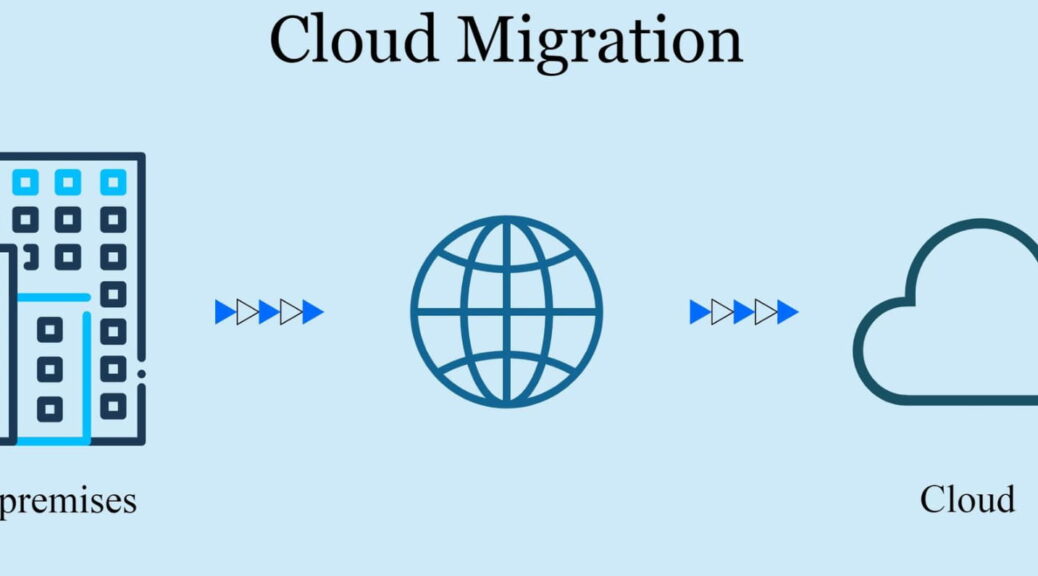
Enterprise cloud migration services are the superheroes of the tech world, swooping in to rescue businesses from the clutches of outdated infrastructure and sluggish operations. By transferring data, applications, and workloads from on-premises systems to the cloud, these services enable enterprises to harness the power of modern technology without breaking a sweat. With cloud migration, organizations can enjoy enhanced flexibility, scalability, and efficiency, transforming their operations into a well-oiled machine.The benefits of adopting cloud migration for enterprises are as vast as the cloud itself.
Gone are the days of clunky hardware and costly maintenance. Instead, organizations can take advantage of reduced IT costs, improved collaboration, and access to cutting-edge tools that promote innovation and agility. Cloud environments come equipped with robust security measures, ensuring that sensitive data stays safe and sound while enabling teams to work from anywhere in the world—pajamas encouraged. The shift to the cloud allows enterprises to focus on their core business objectives while leaving the heavy lifting of infrastructure management to the cloud providers.
Types of Cloud Migration Strategies
When it comes to migrating to the cloud, enterprises have a buffet of strategies to choose from. Selecting the right approach is crucial, akin to picking the perfect topping for your pizza—go with pineapple or stick to classic pepperoni? Here are some popular cloud migration strategies that organizations can consider:
- Lift and Shift: This strategy involves moving applications and data to the cloud with minimal modifications. Think of it as packing your bags and moving to a new house without rearranging the furniture. It’s quick, straightforward, and perfect for those looking to make a swift exit from their current setup.
- Re-platforming: This method requires some tweaking of applications before migration. It’s like upgrading from a flip phone to a smartphone—still the same core functionality, but now with a shiny new interface and improved features.
- Refactoring: Refactoring means re-architecting applications to take full advantage of cloud-native features. It’s the tech equivalent of a complete home renovation, turning your basic living space into a luxurious palace that’s ready for guests and parties.
- Retiring: As the name suggests, this strategy involves determining which applications are no longer needed and can be retired. It’s like cleaning out the attic and saying farewell to those dusty old boxes that haven’t been touched in years.
- Retaining: This strategy keeps certain applications on-premises due to compliance or performance reasons. It’s akin to holding onto that old family heirloom that you can’t quite part with, even if you’ve got a new shiny one.
Choosing the right cloud migration strategy can be a game changer. It sets the stage for improved operational efficiency and positions the enterprise to thrive in a competitive landscape. With the right strategy in place, businesses can unlock the full potential of the cloud, just like finding that hidden stash of chocolate you thought you had eaten!
Key Factors Influencing Cloud Migration Decisions
When it comes to migrating to the cloud, enterprises find themselves in a maze of decisions, each turn offering different possibilities and pitfalls. Choosing the right cloud strategy is akin to finding the best pizza toppings—everyone has a preference, but some combinations just work better together! The following key factors emerge as critical when organizations weigh their migration options.
Critical Factors in Migration Decisions
Determining the optimal approach to cloud migration involves serious consideration of various factors that can make or break the project. Among these, cost, scalability, and security stand out as the big three. Cost remains paramount, as businesses must scrutinize their budgets and forecast future expenses. Migrating to the cloud can be initially costly, but the potential for long-term savings can be substantial.
According to a study by the International Data Corporation (IDC), businesses can save up to 30% on IT costs by moving to the cloud. However, it’s crucial to consider not just the upfront costs but also ongoing operational expenditures.Scalability is the name of the game in today’s fast-paced business environment. Enterprises want to ensure they can expand their cloud resources as needed without a hitch.
Imagine a toddler who grows out of their clothes every six months—just as you wouldn’t want to keep buying new outfits, businesses don’t want to keep running to upgrade their infrastructure. Cloud solutions offer the flexibility to scale resources up or down on demand, which can be a game-changer for growing companies.Security, the ever-present guardian angel, holds a significant influence over migration decisions.
Companies need to assess the security measures provided by cloud service providers (CSPs). With cybersecurity threats on the rise, organizations are understandably cautious. A 2022 report by Cybersecurity Ventures predicted that cybercrime damages would reach $10.5 trillion annually by 2025, making security a top-of-mind concern. This includes data encryption, compliance with regulations, and robust authentication methods.Evaluating potential cloud service providers is a pivotal step in the migration process.
To ensure proper alignment with business goals, enterprises should adhere to best practices when assessing CSPs.
1. Assess Experience and Reputation
Look for providers with a proven track record in the industry. A provider’s reputation is often reflected in customer testimonials and case studies.
2. Evaluate Compliance Standards
Ensure that the provider adheres to compliance regulations relevant to your industry, such as GDPR or HIPAA. Non-compliance can lead to hefty fines, so this step is non-negotiable.
3. Analyze Service Level Agreements (SLAs)
SLAs Artikel the expected service performance from the provider. Scrutinize these documents for uptime guarantees and support response times.
4. Consider Support Options
24/7 support can be a lifesaver during critical business hours. Evaluate the support structure in place and response times for issues that may arise.
5. Cost Transparency
Ensure that pricing is clear and predictable. Hidden fees can turn a great deal into a nightmare, so it’s best to iron these out before signing on the dotted line.Therefore, as enterprises embark on their cloud migration journeys, they must navigate the complexities of costs, scalability, and security while evaluating potential providers. It’s a balancing act that requires diligence, foresight, and a sprinkle of humor to keep the stress at bay!
Steps Involved in the Cloud Migration Process: Enterprise Cloud Migration Services
Embarking on a cloud migration journey is like relocating to a new home—there’s excitement, anxiety, and a need for a solid game plan. A successful cloud migration means rethinking your IT infrastructure, data management, and, of course, your morning coffee routine. Now, let’s unpack the steps involved in this transformative process to ensure you don’t leave your sanity behind!
Planning and Assessing Current IT Infrastructure
Before diving headfirst into the cloud, it’s vital to assess what you currently have. This step is akin to checking the fridge before you go grocery shopping—no one wants to accidentally buy ketchup when there’s already a half-used bottle lurking in the back.To begin, you can follow these key elements:
- Inventory Assessment: Document all hardware, software, and applications currently in use. This is where you find out if that dusty server in the corner has been running your entire business.
- Performance Evaluation: Analyze the performance metrics of your existing infrastructure. Identify bottlenecks that could use a turbo boost in the cloud.
- Compatibility Check: Determine which applications are cloud-ready and which might require some digital therapy to perform well in the cloud environment.
- Cost Analysis: Calculate the total cost of ownership (TCO) for both current and proposed cloud solutions. This will help avoid the dreaded surprise expenses later on!
Data Transfer Methods and Tools Used in Migration
With your current infrastructure mapped out like a treasure map, it’s time to get your data from point A to point Cloud. There are several methods and tools available, each with its own set of pros and cons, much like choosing between coffee and tea in the office kitchen—both have their merits!Here are the most common methods for data transfer during cloud migration:
- Online Data Transfer: Utilizing the internet to transfer data can be practical for smaller datasets. Tools like AWS Snowball or Azure Data Box make it easier to send everything over the wire, provided you have a reliable connection. Speed may vary, so consider having a snack handy!
- Offline Data Transfer: For larger datasets, offline transfer methods—where data is copied onto physical devices and shipped—are often more efficient. This method can be like sending your documents via snail mail, but faster than waiting for a dial-up connection to download a single photo.
- Hybrid Transfer: Sometimes a combination of both online and offline methods works best. This is like mixing your favorite playlist with a little bit of everything to keep things fresh and interesting.
Investing in the right tools can significantly ease the migration process. Popular tools include:
- CloudEndure: A favorite for continuous data replication and migration with minimal downtime.
- Rsync: A command-line utility that syncs files and directories efficiently over a network connection—ideal for those who love a good tech challenge!
- Azure Migrate: Microsoft’s answer for assessing and migrating workloads to Azure, providing insights you didn’t know you needed.
In the end, migration should be smooth, efficient, and maybe even a little fun—if you’re into that sort of thing. Just remember, the cloud is waiting for you, and it’s ready to take your IT to new heights, complete with a complimentary view of your business’s bright future!
Challenges and Risks of Cloud Migration
When embarking on the grand adventure of cloud migration, organizations often find themselves navigating a technological jungle filled with unexpected twists and turns. These challenges can turn the migration process into a high-stakes game of “Survivor: Enterprise Edition.” But fear not! Understanding these hurdles and potential risks can help organizations prepare for the journey ahead, ensuring you don’t end up stranded on a deserted server.
The migration process isn’t just a walk in the cloud; it’s more like tightrope walking over a pit of hungry alligators while juggling flaming torches. Below are some of the common challenges and risks organizations face when migrating to the cloud, along with strategies to keep the torches lit and the alligators at bay.
Common Challenges Faced During Migration
Organizations often encounter several challenges when migrating to the cloud. These hurdles can range from technical obstacles to human factors that can derail even the best-laid plans. It’s important to identify these challenges to smooth the transition.
- Data Security and Compliance: Ensuring that sensitive data remains secure and compliant with regulations can feel like trying to keep a cat in a bathtub. Organizations must navigate various legal and compliance issues, often facing hefty fines for falling short.
- Downtime during Migration: Like a bad magic trick, your services may temporarily disappear during migration. Downtime can lead to lost revenue and customer dissatisfaction, making the stakes quite high.
- Legacy System Integration: Old systems can be like that grumpy uncle at family gatherings—hard to deal with yet impossible to ignore. Integrating legacy systems with new cloud solutions can create compatibility issues.
- Cost Overrun: Budget constraints can turn your cloud dreams into a financial nightmare. Costs can spiral if the migration isn’t carefully planned, leading to unexpected expenses.
Potential Risks Involved in Cloud Migration
The risks of cloud migration are not to be taken lightly, as they can jeopardize the entire operation if not addressed. Recognizing these risks is key to ensuring a smooth transition, akin to knowing where the landmines are before you begin your dance party.
- Data Loss: Misplaced data during migration can be like losing your favorite sock in the laundry—frustrating and, in some cases, irretrievable. Organizations must have a robust data backup strategy to mitigate this risk.
- Vendor Lock-In: Committing to one cloud provider may feel like a bad relationship—you might find yourself stuck with someone who doesn’t meet your needs. Understanding the implications of vendor lock-in is crucial.
- Performance Issues: Migrating to the cloud can sometimes lead to sluggish performance, akin to trying to run a marathon while wearing clown shoes. Proper assessment of cloud resources is vital to avoid this pitfall.
- Insufficient Training: Employees may feel like deer in headlights when faced with new technologies. Lack of training can lead to misuse of cloud tools, increasing the risk of errors.
Mitigation Strategies for Migration-Related Risks
To tackle these challenges and risks effectively, organizations can implement various mitigation strategies that can turn potential disasters into mere bumps in the road.
- Comprehensive Planning: Develop a detailed migration plan that Artikels every step of the process. Think of it as your GPS for cloud migration; without it, you might end up lost in the woods.
- Backup and Recovery Solutions: Ensure that all data is backed up before migration. Having a solid recovery plan can make a world of difference if things go awry.
- Employee Training: Prioritize training and education for staff. A well-informed team is less likely to trip over their own feet when navigating the new cloud landscape.
- Pilot Testing: Conduct a pilot migration to iron out any wrinkles in the process. This is like test-driving a car before you buy it—better to find out it’s a lemon early on.
“An ounce of prevention is worth a pound of cure.” – Benjamin Franklin, your forefather of risk management.
Post-Migration Considerations and Best Practices

Congratulations! You’ve successfully completed your cloud migration, and your servers are now floating in the fluffy clouds of the digital sky. But wait, don’t put your feet up just yet! The post-migration phase is where the real magic happens (and by magic, we mean diligent work). This phase is crucial to ensure that everything runs smoothly and that your new cloud environment is as cozy as a cloud can be.
Let’s dive into the critical activities that should take place after migration is complete.
Critical Activities After Migration
Once you’re settled in your new cloud abode, it’s time to take some essential steps to ensure everything is functioning as it should. These activities not only help in maintaining the cloud environment but also in optimizing it for better performance:
- Performance Monitoring: Keep an eagle eye on your cloud system. Utilize monitoring tools to track performance metrics. Think of it as your cloud’s personal trainer, ensuring it doesn’t slouch and maintains peak performance.
- Backup and Recovery Plans: Create and regularly test your backup strategies. Remember, even clouds can have rainy days, and it’s crucial to have a plan to avoid any data puddles!
- Security Audits: Conduct routine security checks. Your cloud environment might look like a fluffy paradise, but cyber threats lurk like mischievous gremlins. Regular audits will help in keeping them at bay.
Ongoing Cloud Management and Optimization
Now that you have a cloud environment, you need to maintain it like a well-tended garden. Proper management and optimization ensure that your cloud setup remains cost-effective, efficient, and scalable. Here are some best practices to keep in mind:
- Cost Management: Regularly review your cloud spending. Use tools to analyze usage patterns and identify areas where you can save. Remember, just because you can launch 500 instances doesn’t mean you should, especially if your budget is on a diet!
- Resource Scaling: Make sure to scale resources up or down based on demand. Cloud resources can expand and contract like your waistline after the holidays, so take advantage of dynamic scaling.
- Performance Tweaks: Regularly assess your workloads and optimize them. This could include optimizing code, utilizing caching solutions, or upgrading instances. It’s like giving your cloud a refreshing makeover every now and then!
Importance of Training and Support for Employees
Just as you don’t send a cat to do a dog’s job, you can’t expect your employees to navigate a new cloud environment without the right training. Post-migration, it’s vital to equip your team with the necessary skills and support to thrive in this new setup.
- Training Programs: Implement comprehensive training sessions to familiarize employees with cloud tools and processes. Think of it as cloud boot camp – but with fewer push-ups and more snacks!
- Continuous Learning: Encourage a culture of continuous learning. Provide access to online resources, courses, or certifications related to cloud technologies. After all, keeping up with advancements is as crucial as knowing where the nearest coffee machine is!
- Support Channels: Establish clear support channels for employees to seek help or report issues. Having a reliable support team is like having a safety net at a circus – it helps everyone feel secure and focused on the performance.
“The secret to success is to be ready when your opportunity comes.”
In the cloud realm, this means being prepared with the right training and resources to harness the full potential of your migration. A well-prepared team is your best defense against the inevitable challenges that arise in the cloud!
Case Studies of Successful Cloud Migrations

The journey of cloud migration is often likened to a thrilling roller coaster ride: exhilarating, sometimes terrifying, but ultimately rewarding. Let’s take a joyride through some real-world examples of organizations that strapped in, held on tight, and emerged victorious after their cloud migrations. These case studies highlight not only the strategies that led to success but also the impressive outcomes that followed, proving that the cloud can be a magical place where productivity and efficiency soar.
Global Retailer Embraces the Cloud
One notable example is a global retail giant, which decided to migrate its inventory management and customer relationship systems to the cloud. Facing challenges with scalability during holiday seasons, they sought a solution that would keep their servers from crashing under the weight of eager online shoppers. By adopting a hybrid cloud strategy, they ingeniously balanced their on-premises data with public cloud resources.Key strategies included:
- Phased Migration: Instead of a big bang approach, they broke the migration into manageable phases, starting with non-critical applications to minimize risks.
- Cross-Functional Teams: They assembled diverse teams across IT, sales, and customer service to ensure that all perspectives were incorporated into the migration strategy.
- Extensive Testing: Rigorous testing phases were implemented to troubleshoot potential issues before they could affect customers.
As a result of their strategic migration, the retailer observed a staggering 30% improvement in website performance that holiday season, along with a significant reduction in downtime. Customers were happier, and the company reported record sales—a classic win-win!
Healthcare Provider Enhances Patient Care
In the healthcare sector, a prominent hospital network took the leap to the cloud to improve patient care efficiency. With a mission to provide top-notch service without the headache of constant IT maintenance, they implemented a full cloud migration for their patient records and billing systems.The key strategies used were:
- Data Security Focus: They prioritized securing sensitive patient information through advanced encryption and compliance with HIPAA regulations during the migration process.
- Staff Training: Comprehensive training sessions were held to familiarize medical staff with the new cloud-based systems, ensuring smooth adoption.
- Ongoing Support: They established a dedicated support team to address any hiccups during the transition and beyond.
Post-migration, the healthcare provider reported a 25% reduction in patient wait times, enhanced data accessibility for healthcare professionals, and improved patient satisfaction scores. Not to mention, they no longer had to play hide-and-seek with their data!
Financial Firm Boosts Efficiency, Enterprise cloud migration services
A multinational financial service company embarked on its cloud migration journey to enhance operational efficiency and agility in its service offerings. This firm faced the daunting task of migrating a vast array of systems, from trading platforms to customer portals.Their successful strategies included:
- Cloud-Native Development: They developed new applications specifically designed for the cloud, maximizing performance and minimizing legacy system baggage.
- Vendor Collaboration: Partnering with cloud providers ensured they leveraged the latest technology and best practices for migration.
- Continuous Monitoring: After migration, they implemented real-time monitoring to assess performance and address issues proactively.
The results? A remarkable 40% reduction in operational costs and a boost in speed to market for new financial products. Clients noticed the difference and loyalty soared, proving that in the financial world, speed and reliability are golden.
Future Trends in Cloud Migration Services
As we step into the new era of business technology, the landscape of cloud migration services is evolving faster than a caffeinated squirrel on roller skates. Companies are not just migrating their data; they’re seeking out the latest innovations to ensure their cloud environments are as agile and resilient as a ninja in a game of dodgeball. With that in mind, let’s explore the emerging trends in cloud migration services that are shaping the future!
Emerging Technologies Driving Cloud Migration
The cloud migration journey is increasingly influenced by groundbreaking technologies that enhance the process and outcomes. These advancements are not just trends; they’re the bread and butter of modern enterprise strategy! Here are some key players in this technological revolution:
- Artificial Intelligence (AI) and Machine Learning (ML): These technologies are transforming cloud migrations by automating tasks, predicting potential issues, and optimizing resource allocation, leading to smoother transitions.
- Multi-Cloud Strategies: Companies are diversifying their cloud environments by using multiple cloud providers to avoid vendor lock-in and enhance redundancy, much like a squirrel burying nuts in various locations.
- Serverless Computing: This paradigm allows businesses to run applications without managing servers, reducing the complexities of migration and increasing efficiency as the company scales.
- Containerization: Technologies like Docker and Kubernetes enable organizations to package applications for easier deployment across different cloud environments, ensuring maximum flexibility.
Impact of Technological Advancements on Cloud Migration
Technological advancements are reshaping cloud migration services in ways we never thought possible. With the rise of sophisticated tools and frameworks, enterprises are experiencing a seismic shift in how they approach their cloud strategies. The impacts include:
- Enhanced Security Measures: Advanced encryption and identity management tools are making cloud environments more secure, ensuring that data breaches are as rare as a unicorn sighting.
- Improved Interoperability: New integration platforms are enabling seamless connectivity between various cloud services and on-premises systems, allowing businesses to operate like a well-oiled machine.
- Speed and Agility: With agile methodologies and DevOps practices, cloud migration processes are becoming faster and more iterative, reducing downtime and enhancing productivity.
Predictions for the Future Landscape of Cloud Services
As we gaze into our crystal ball, a few predictions emerge about the future of cloud services for enterprises. Buckle up, because the cloud is about to get a lot more interesting!
- Widespread Adoption of Edge Computing: More organizations will utilize edge computing to process data closer to its source, reducing latency and improving response times in real-time applications.
- Increased Focus on Sustainability: The future of cloud migration will see an emphasis on green technologies and sustainable practices as companies aim to reduce their carbon footprints.
- Rise of Quantum Computing: As quantum technology becomes more accessible, businesses may leverage its power for complex calculations that traditional cloud infrastructure cannot handle.
- Greater Importance on Compliance and Privacy: With data regulations becoming stricter, cloud providers will have to adopt more robust compliance measures, ensuring data privacy is a top priority for enterprises.
“The cloud isn’t just a place to store data; it’s where the future of technology unfolds, one byte at a time.”
FAQ Summary
What is enterprise cloud migration?
Enterprise cloud migration is the process of transferring an organization’s data, applications, and services from on-premises infrastructure to cloud-based environments for improved efficiency.
What are the benefits of cloud migration?
Benefits include cost savings, enhanced scalability, improved security, and greater flexibility in managing IT resources.
How do I choose a cloud service provider?
Evaluate potential providers based on cost, security features, scalability options, and customer reviews to find the best fit for your enterprise.
What challenges might I face during migration?
Common challenges include data loss, downtime, and integration issues, which can be managed with careful planning and risk assessment.
What should I do post-migration?
Post-migration activities include optimizing cloud performance, providing employee training, and ensuring ongoing support for the new system.
