Big data analytics platform for enterprises, where data turns into gold and insights flow like a never-ending river of wisdom! Imagine your company harnessing the power of countless data points, all thanks to a platform that does the heavy lifting while you sip your coffee. In this rollercoaster ride of bytes and bits, we’ll explore how these platforms work their magic, the features that make them shine, and the success stories that will leave you inspired!
We’ll dive into the nitty-gritty of what constitutes a big data analytics platform, spotlighting the essential components that allow enterprises to transform raw data into actionable intelligence. With examples straight from the trenches of business battles, you’ll see firsthand how these platforms are deployed to tackle real-world challenges. Buckle up; the data adventure has just begun!
Introduction to Big Data Analytics Platforms

Big data analytics platforms are like the Swiss Army knives of the enterprise world—these versatile tools are indispensable for navigating the vast ocean of data that modern businesses generate daily. With the explosive growth of data from various sources—think social media, IoT devices, sales transactions, and more—enterprises need robust platforms that can sift through this data goldmine to uncover actionable insights.
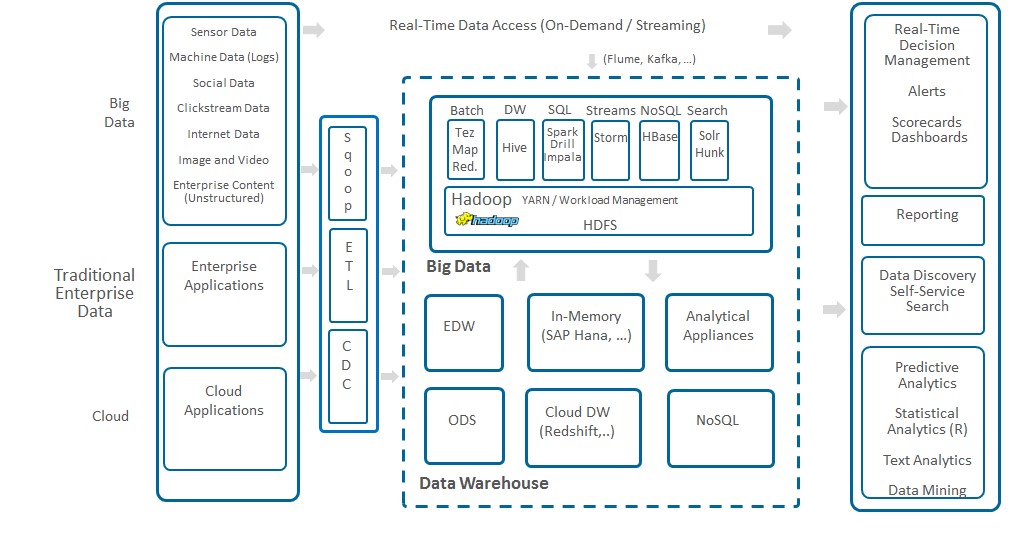
These insights can drive decision-making, optimize operations, and create competitive advantages that make companies feel as if they’re riding the unicorn of innovation.The core components of a big data analytics platform typically include data storage solutions, data processing frameworks, and advanced analytics tools. Imagine a bustling city: the storage systems act as the skyscrapers housing data, the processing frameworks are the roads allowing data to travel efficiently, and the analytics tools serve as the traffic lights ensuring everything flows smoothly while delivering timely insights.
Together, they create a harmonious ecosystem that helps enterprises turn data into decisions faster than you can say “Big Data!”
Components of a Big Data Analytics Platform
Understanding the components of these platforms is crucial for enterprises aiming to harness their full potential. Each element plays a significant role in transforming raw data into valuable insights. Here are the key components:
- Data Storage Solutions: These are the vaults where data resides, ranging from traditional databases to distributed file systems like Hadoop. Choosing the right storage solution is akin to picking a sturdy bank to safeguard your treasures.
- Data Processing Frameworks: Frameworks such as Apache Spark and Hadoop provide the infrastructure for processing large datasets. They are the heavy lifters, capable of crunching numbers with the finesse of a professional gymnast.
- Data Visualization Tools: Tools like Tableau or Power BI turn complex datasets into visual stories. They help stakeholders see the bigger picture and are like the art gallery showcasing your data masterpieces.
- Machine Learning Algorithms: These are the brains of the operation, allowing platforms to learn from data patterns and make predictions. They’re like fortune-tellers, providing insights into future trends based on past behaviors.
- Data Governance Features: Ensuring data quality and compliance is essential. These features manage access, encryption, and auditing—similar to a bouncer at an exclusive club, guarding the premises to keep things in check.
Companies leverage big data analytics platforms for a myriad of use cases, tailoring their strategies to maximize the benefits these tools offer. Here are some common applications:
- Customer Segmentation: Businesses analyze customer data to create targeted marketing strategies, ensuring the right message reaches the right audience. It’s like having a tailor who custom-makes a suit just for you.
- Predictive Maintenance: Manufacturing firms use data analytics to predict equipment failures before they occur, saving time and costs. Think of it as having a crystal ball that alerts you when your car is about to need an oil change.
- Fraud Detection: Financial institutions apply analytics to monitor transactions in real time, identifying suspicious activities faster than you can say “unauthorized charge!”
- Supply Chain Optimization: Retailers analyze data to streamline operations and reduce costs, ensuring products are in stock when customers demand them. It’s like orchestrating a well-timed symphony of logistics.
Big data analytics platforms empower enterprises to transform chaos into clarity, making data their best friend rather than their worst nightmare.
Key Features of Big Data Analytics Platforms: Big Data Analytics Platform For Enterprises
In the vast universe of big data, choosing the right analytics platform is akin to picking the perfect spaceship to explore the final frontier. Enterprises must look for specific features that can propel them through the galaxy of data, transforming raw information into actionable insights. Here’s a star-studded lineup of key features that should be on every enterprise’s radar when selecting a big data analytics platform.
Scalability and Performance
Scalability and performance are the twin engines that drive the spacecraft of big data analytics. As data grows exponentially, a platform must be able to handle this deluge without breaking a sweat—or worse, stopping mid-flight. Companies should look for platforms that can scale horizontally and vertically, allowing for seamless integration of additional resources as needed. The importance of performance cannot be overstated; after all, who wants to wait an eternity for a report?
Fast query processing and real-time analytics capabilities will keep enterprises ahead of the competition. A well-optimized platform can execute analytical queries in a matter of seconds, turning the daunting task of analyzing petabytes of data into a pleasurable sprint rather than a marathon.
“A scalable platform is like a good pair of elastic pants; it stretches to accommodate all your needs without compromising comfort.”
User-Friendly Interfaces and Visualization Tools
A user-friendly interface is crucial in ensuring that even those who struggle with a remote control can navigate the big data cosmos. The right platform should have an intuitive design, making it easy for users, regardless of tech-savviness, to harness the power of analytics without feeling like they’ve just stepped into an alien spaceship. Moreover, visualization tools are the cherry on top of the analytics sundae.
They transform complex datasets into engaging, easy-to-understand formats such as charts, graphs, and dashboards. When data is presented visually, it’s like turning a confusing map into a clear GPS. This not only enhances comprehension but also aids in making informed decisions swiftly.Here are a few features to look for in user-friendly interfaces and visualization tools:
- Drag-and-drop functionality for easy report creation
- Interactive dashboards to explore data dynamically
- Customizable views to suit different user preferences
- Pre-built templates for common analytics tasks
With these features at your disposal, the journey through big data will be less about navigating through dense fog and more about soaring through clear skies.
Implementation Strategies for Enterprises
Implementing a big data analytics platform is akin to hosting a grand feast. You wouldn’t just toss a bunch of ingredients together and hope for the best. Every step counts; from selecting the right ingredients to ensuring everyone knows how to use the utensils. So, let’s roll up our sleeves and dive into the step-by-step process of implementing a big data analytics platform in the enterprise setting, along with best practices and the potential pitfalls that might come your way.
Step-by-Step Process for Implementation
The implementation of a big data analytics platform typically unfolds in several critical phases, ensuring that everything aligns perfectly like the stars on a clear night.
- Define Objectives: Start by identifying the business goals. Would you like to reduce churn, boost sales, or perhaps predict market trends? Clear objectives lay the foundation for effective analytics.
- Assess Data Sources: Evaluate the data you currently have. Is it structured, unstructured, or a delightful mix? Understanding your data landscape is crucial for meaningful insights.
- Select the Right Tools: Choose a platform that matches your needs. Consider factors like scalability, integration capabilities, and user-friendliness. Remember, not every tool is a Swiss Army knife!
- Data Integration: Seamlessly connect your big data platform with existing systems. It’s like a marriage—compatibility is key! Utilize APIs and ETL processes for smooth data flow.
- Pilot Program: Launch a small-scale pilot to test the waters. This allows you to tweak things before diving into the deep end with full-scale implementation.
- Training and Change Management: Equip your team with the necessary skills. Use workshops and webinars to ensure everyone is on the same page, turning confusion into clarity.
- Monitor and Optimize: Continuously monitor the analytics process and make adjustments as necessary. Like fine-tuning a musical instrument, small tweaks can make a big difference.
Best Practices for Integration
Integrating big data solutions with existing infrastructure can be a tricky dance, but with the right steps, you can waltz your way to success. Here are some best practices to keep in mind:It’s vital to ensure fluid communication and data flow between systems, and these practices can help:
- Establish Clear Data Governance: Define policies for data usage, security, and quality. This ensures everyone knows the “house rules” for data handling.
- Utilize Middleware: Consider middleware solutions that can bridge the gap between legacy systems and new big data technologies. Think of it as the translator in a multilingual party!
- Regular Data Audits: Conduct frequent checks to ensure data integrity. It’s like cleaning out the fridge; nobody wants expired data lingering around!
- Engage Stakeholders Early: Get buy-in from all relevant departments. Having everyone on board from the start can turn potential naysayers into the biggest advocates.
Potential Challenges and Solutions, Big data analytics platform for enterprises
Even the best-laid plans can hit a bump in the road. Understanding potential challenges can help you navigate them like a pro. Here are common hurdles faced during implementation and ways to tackle them:
“Every challenge is an opportunity for growth.”
- Data Quality Issues: Poor data quality can lead to misleading insights. Implement data cleansing processes and validation tools to ensure the data is as fresh as a morning dew.
- Resistance to Change: Employees may resist new systems. Address this by highlighting the benefits—who doesn’t want an easier life at work?
- Scalability Concerns: Businesses evolve, and so should the analytics platform. Choose solutions that can scale without a hitch, almost like your favorite pair of stretchy pants!
- Skill Gaps: Lack of expertise can hinder success. Invest in training programs and workshops to build a knowledgeable team eager to leverage big data.
Case Studies of Successful Implementations
Big data analytics has become the superhero of the corporate world, swooping in to save enterprises from the clutches of mediocre decision-making and inefficiency. Like a skilled detective, big data can uncover hidden patterns and insights, leading to better strategies and outcomes. Let’s dive into some remarkable case studies where enterprises harnessed the power of big data analytics platforms and emerged victorious, complete with newfound wisdom to share!
Retail Revolution: Target’s Predictive Analytics
Target, the retail giant, made headlines for its groundbreaking predictive analytics capabilities, specifically in understanding customer behaviors. By analyzing purchase data and web interactions, Target was able to identify shopping patterns and predict customer needs with impressive accuracy. One of the most famous examples involved a father discovering that Target was sending his teenage daughter pregnancy-related coupons, based on her shopping habits.
The benefits of this implementation were staggering, leading to:
- Increased Sales: Target reported a 20% increase in sales from customers who received personalized offers.
- Customer Insights: Deep insights into consumer behavior led to improved product placements and inventory management.
- Enhanced Loyalty Programs: Target used data to tailor their loyalty programs, resulting in higher customer retention rates.
Lessons learned include the importance of privacy consideration—nobody wants to feel like they’re being watched while shopping for their favorite snacks. A recommendation for enterprises is to strike a balance between personalization and privacy to avoid the infamous “creepy” factor.
Healthcare Transformation: Mount Sinai Health System
The Mount Sinai Health System in New York leveraged big data analytics to enhance patient care and streamline operations. By integrating patient data from multiple sources, including EHRs (Electronic Health Records) and wearable devices, they were able to predict patient deterioration and improve clinical outcomes.The implementation led to several significant benefits:
- Reduced Readmissions: A reduction in readmission rates by 20% due to predictive alerts for high-risk patients.
- Operational Efficiency: Optimized hospital operations and reduced wait times, enhancing patient satisfaction.
- Cost Savings: Lower medical costs due to proactive care measures and better resource allocation.
The key takeaway here? Data integration is vital for comprehensive patient care. Health systems should focus on building a robust data infrastructure to enable seamless communication across departments.
Telecommunications Triumph: Vodafone’s Customer Churn Prevention
Vodafone, the global telecommunications leader, faced a common industry challenge: customer churn. By employing big data analytics to assess customer usage patterns, they developed a model to identify at-risk customers and proactively address their concerns.This strategic move reaped notable rewards:
- Churn Reduction: A 15% decrease in customer churn rates through targeted retention strategies.
- Personalized Offers: Development of personalized marketing campaigns based on user behavior.
- Improved Customer Service: Enhanced customer service response times due to predictive modeling of service issues.
One vital lesson from Vodafone’s experience is the necessity of real-time data analysis. Companies should invest in tools that provide continuous insights, ensuring they stay ahead of customer needs like a well-trained guard dog.
Banking Innovation: JP Morgan Chase’s Fraud Detection
JP Morgan Chase has successfully implemented big data analytics to enhance their fraud detection capabilities. By utilizing machine learning algorithms to analyze transaction patterns, they identified fraudulent activities faster than ever, keeping their customers’ funds safe and sound.The implementation showcased several advantages:
- Rapid Fraud Detection: Reduced fraud detection time from days to mere seconds.
- Cost Efficiency: Significantly lower costs related to fraud losses, ultimately saving millions.
- Customer Trust: Increased trust and confidence from customers knowing their accounts are monitored continuously.
A critical lesson learned is the need for continuous adaptation. As fraud tactics evolve, so must the algorithms. Regular updates to predictive models are essential for maintaining security.
Future Trends in Big Data Analytics
As we leap into the future of big data analytics, buckle up! This is not just about numbers and charts; it’s about riding the wave of innovation while dodging the occasional data tsunami. The landscape is changing faster than a cat meme goes viral, and understanding these trends is crucial for enterprises that aim to stay ahead of the curve.
One of the most thrilling aspects of this evolution is the integration of artificial intelligence (AI) and machine learning (ML) into analytics platforms. These technologies are not just buzzwords; they are the secret sauce that enhances analytics capabilities beyond our wildest dreams. Imagine a world where data not only speaks but also interprets itself, predicts future trends, and identifies anomalies before they become issues.
Role of Artificial Intelligence and Machine Learning
AI and ML are transforming big data analytics into a proactive powerhouse. Instead of waiting for insights like a patient cat at a mouse hole, businesses can now leverage these technologies to foresee trends and make data-driven decisions in mere moments. Here’s how they’re making waves:
- Predictive Analytics: With AI algorithms, businesses can forecast future events based on historical data, much like predicting the next big hit song based on past chart-toppers.
- Natural Language Processing: This allows systems to analyze human language, extracting sentiment and context. Think of it as the translator at a global summit but for data!
- Automated Insights: AI can sift through mountains of data and surface key insights without human intervention, much like a magician pulling a rabbit out of a hat, only less furry.
- Enhanced Decision-Making: With real-time analytics powered by machine learning, enterprises can make informed decisions faster than you can say “data-driven culture.”
The significance of these advancements is reflected in real-world applications. For instance, companies like Netflix utilize AI to analyze viewing habits, which informs their content creation strategy. That’s right; your binge-watching habits are shaping the next season of your favorite show!
Evolution of Data Privacy Regulations
With great data comes great responsibility, and the rising trend of data privacy regulations is a testament to this. As big data usage expands, so does the need for robust governance frameworks. Experts predict that regulations will not only tighten but become more comprehensive, influencing how enterprises handle data. Here’s what to expect:
- Stronger Compliance Requirements: As seen with the GDPR in Europe, regulations will demand immediate compliance, making it a do-or-die situation for businesses. Prepare for audits and fines that could make your accountant weep!
- Consumer Control Over Data: Expect more regulations that give the individuals control over their data. This means companies will have to be transparent about data usage—no more sneaky data mining in the shadows!
- International Data Transfers: As countries develop their own regulations, navigating the global data landscape will require finesse, akin to juggling flaming torches while riding a unicycle.
- Emergence of Ethical AI Practices: With AI’s growing influence, ethical guidelines will be vital. Businesses will need to ensure their algorithms are not just efficient but also fair and unbiased.
The impact of these shifts is palpable. For instance, in the wake of increased regulations, companies like Facebook have had to rethink their data policies to avoid hefty fines and public backlash. Staying compliant will become as vital as the data itself, and woe to those who treat it lightly!
Cost Analysis of Big Data Analytics Platforms
In the world of big data, the phrase “you get what you pay for” rings truer than ever. Companies looking to dive into the ocean of analytics often find themselves swimming with costs that can sometimes feel like they’re in over their heads. A solid understanding of these costs is crucial for enterprises, as it helps them budget wisely and avoid being swept away by unexpected expenses.
Let’s break down the financial waters of big data analytics platforms and uncover the treasure beneath.When enterprises consider deploying a big data analytics platform, they should anticipate various costs, from initial setup to ongoing maintenance. These platforms aren’t just shiny toys; they’re investments that require careful planning. Below is a breakdown of the potential costs associated with deploying a big data analytics platform:
| Cost Category | Description | Estimated Cost |
|---|---|---|
| Software Licenses | Costs for acquiring the analytics software and licenses. | $10,000 – $500,000 |
| Hardware Infrastructure | Physical servers or cloud services required for data storage. | $20,000 – $300,000 |
| Implementation Services | Consultants and experts to set up the system. | $15,000 – $100,000 |
| Training | Educating staff on using the platform effectively. | $5,000 – $50,000 |
| Maintenance and Support | Ongoing costs for technical support and updates. | $10,000 – $100,000 annually |
Return on Investment Calculations
Calculating the return on investment (ROI) for big data analytics platforms is like trying to find a needle in a haystack, except the haystack is made of spreadsheets and the needle is a big pile of cash. The ROI can be substantial, but it requires a keen eye for metrics. Companies should assess the benefits gained from better decision-making, increased efficiency, and improved customer insights as compared to the costs incurred.
A simplified ROI formula looks like this:
ROI = (Net Profit / Cost of Investment) x 100
To illustrate, if a company invests $200,000 in a big data platform and sees a net profit of $400,000 from data-driven decisions over a year, the calculation would be:
ROI = ($400,000 – $200,000) / $200,000 x 100 = 100%
This means the company doubled its investment, which is a reason to celebrate with a cupcake or two!
Cost-Saving Strategies
To navigate the financial waters without capsizing, enterprises can implement several cost-saving strategies while leveraging big data analytics. Here are some creative approaches:
1. Opt for Open Source
Utilizing open-source analytics tools can significantly reduce software licensing costs. Tools like Apache Hadoop and Apache Spark provide powerful functionalities without the hefty price tag.
2. Cloud Solutions
Instead of investing in expensive hardware, consider cloud-based platforms that offer scalability and flexibility. They often come with pay-as-you-go pricing, allowing companies to save costs by only paying for what they use.
3. Focus on Training
Investing in training for existing staff rather than hiring new data scientists can reduce labor costs while maximizing the use of already available talent.
4. Start Small and Scale
Begin with a pilot project to test the waters, allowing for adjustments and learnings before fully rolling out the platform across the organization.
5. Centralize Data Management
Streamline data sources to eliminate redundancy and reduce storage costs. This not only saves money but also enhances data integrity.By implementing these strategies, enterprises can stay afloat in the sea of big data costs while reaping the rewards of valuable insights and analytics.
Training and Support for Users
When it comes to big data analytics, having a shiny new tool is only half the battle; the real magic happens when users know how to wield it like a wizard. Training staff on big data analytics tools is crucial for unlocking the full potential of your organization’s data treasures. These platforms can be as complex as understanding the plot of a Christopher Nolan movie, so a little training goes a long way—saving time, reducing frustration, and turning data novices into data ninjas.Effective training programs not only teach users how to navigate the software but also how to think analytically, interpret results, and make data-driven decisions.
Offering ongoing support ensures that employees feel confident and competent in their roles. Here are some resources and methods to keep the knowledge flowing and the data-driven discussions thriving:
Resources and Methods for Ongoing Support
A robust support system is essential to help users tackle challenges as they arise. Here are some key resources that can transform your data users from clueless to confident:
- Interactive Training Workshops: These hands-on sessions allow users to engage with the tools in a supportive environment, turning confusion into clarity.
- Online Tutorials and Webinars: Flexible learning options like video tutorials can be accessed anytime, allowing users to learn at their own pace. Think of it as Netflix for analytics knowledge!
- Documentation and User Manuals: Well-structured documentation provides users with a reference point for troubleshooting and maximizing tool features. It’s like having a GPS for navigating the data landscape.
- Regular Check-ins and Q&A Sessions: Scheduled meetings provide an opportunity for users to ask questions and share experiences, fostering a culture of continuous learning.
Community forums and user groups are invaluable as they serve as support networks for users. They are the equivalent of a cozy coffee shop where you can sip your favorite brew while chatting about the latest analytics trends. Here’s how they can be beneficial:
Role of Community Forums and User Groups
Community forums and user groups offer an informal space where users can connect, share insights, and troubleshoot issues together. Participating in these communities can bring several advantages:
- Peer Support: Users can ask questions and get answers from fellow users who have faced similar challenges, leading to quicker resolutions and shared knowledge.
- Best Practices Sharing: Members often discuss strategies that work, helping others avoid pitfalls and enhance their analytical skills.
- Networking Opportunities: Engaging with a community allows users to build relationships with peers and experts, which can lead to collaborations or mentorship opportunities.
- Staying Updated: Forums often share updates on new features or best practices, ensuring users are always in the loop and making the most of their tools.
In the realm of big data analytics, training and support are not mere add-ons; they are the fuel that powers the engine of success. Investing in these areas means your enterprise won’t just make sense of its data; it will dance with it, twirling and spinning towards informed decisions and business growth.
FAQ Guide
What is a big data analytics platform?
A big data analytics platform is a software solution that helps organizations collect, process, and analyze large volumes of data to derive meaningful insights.
How can small businesses benefit from big data analytics?
Small businesses can leverage big data analytics to make informed decisions, understand customer behavior, and optimize their operations, leading to increased efficiency and profitability.
Are big data analytics platforms expensive to implement?
The cost varies based on the platform and features, but there are affordable options available that can provide significant ROI for enterprises of any size.
Is training necessary for using big data analytics platforms?
Yes, training is crucial for staff to effectively utilize the tools and maximize the benefits of big data analytics.
What role does AI play in big data analytics?
AI enhances big data analytics by enabling predictive modeling, automating data processing, and providing deeper insights through advanced algorithms.
