Robotic process automation software vendor sets the stage for this enthralling narrative, offering readers a glimpse into a world where robots do the tedious tasks so humans can focus on more important matters, like deciding what to binge-watch next. It’s like having a personal assistant who never forgets your coffee order or takes a day off. In the magical realm of modern businesses, these vendors create software that transforms mundane processes into automated wonders, making them the heroes we didn’t know we needed.
With the right robotic process automation software vendor, companies can streamline operations and boost productivity faster than you can say “efficiency.” But selecting the perfect vendor is crucial; after all, it’s like choosing a dance partner for a tango—pick the wrong one, and you’ll end up stepping on toes (or losing profits). So, let’s dive into what makes these vendors tick and how they can help businesses waltz into the future.
Introduction to Robotic Process Automation Software Vendors
In a world where businesses are constantly looking for ways to boost efficiency, reduce costs, and enhance customer satisfaction, Robotic Process Automation (RPA) has emerged as a game-changing superhero. Think of RPA as the trusty sidekick that swoops in to handle repetitive tasks, freeing up human employees to focus on more strategic pursuits—like brainstorming the next viral marketing campaign or perfecting the office coffee blend!Robotic Process Automation software vendors are the masterminds behind these digital heroes.
These vendors create, sell, and support software that enables organizations to automate mundane, rule-based tasks. This can range from data entry to complex data processing workflows. The right vendor can make a world of difference in how smoothly these automation processes operate, transforming clunky operations into seamless, high-octane engines of productivity.
Importance of Choosing the Right Vendor
Finding the ideal RPA software vendor is not just a matter of flipping a coin. It’s about navigating a bustling marketplace filled with options that vary in features, support, and pricing. Selecting the right vendor can be a pivotal moment for a business, influencing everything from operational effectiveness to employee morale. When evaluating RPA vendors, consider the following factors:
- Experience and Reputation: Look for vendors who have a proven track record and positive reviews. Remember, it’s like dating: you want someone with a solid past, not a series of unfortunate breakups!
- Customization Options: Ensure the vendor’s solutions can be tailored to your specific needs. One size fits all is great for hats, but not for your automation strategy.
- Scalability: Choose a vendor that can grow with your business. You don’t want a software solution that stunts your company’s growth—think of it as a plant that needs room to flourish!
- Support and Training: The best software is only as good as the help you get when things go sideways. Look for vendors that offer comprehensive support and training programs so your team feels empowered, not bewildered.
- Cost-Effectiveness: Balance your budget with the value offered. Sometimes the cheapest option can lead to more expensive hiccups down the road. Like buying socks: the fancy ones may cost a bit more, but they last longer and feel great!
Choosing the right RPA vendor is like finding the perfect dance partner; they should complement your moves and not step on your toes!
The significance of a well-chosen vendor cannot be overstated. A successful partnership can lead to smoother operations, reduced costs, and, most importantly, a happy workforce. So, when embarking on the journey of robotic process automation, put on your best detective hat, do your research, and choose wisely!
Key Features of Robotic Process Automation Software
Robotic Process Automation (RPA) software is like the Swiss Army knife for businesses, equipped with features that can slice through inefficiencies and streamline operations—without the risk of injury or the need for a first-aid kit! As organizations seek to automate their workflows, understanding the essential features of RPA software can make the difference between a smooth ride and a bumpy road filled with potholes of frustration.A successful RPA solution should come with an array of features designed to enhance productivity while minimizing chaos.
Scalability stands out prominently in this realm, as it directly impacts the effectiveness of automation solutions. Businesses should also look for user-friendly interfaces that make adoption as easy as pie—because nobody wants to deal with software that feels like trying to solve a Rubik’s Cube blindfolded!
Essential Features of RPA Software
When selecting RPA software, it’s crucial to focus on features that enhance performance and usability. Here are some indispensable features that businesses should consider:
- User-Friendly Interface: A smooth and intuitive interface is essential for ensuring that employees can adopt the software without needing a PhD in tech wizardry. Imagine a dashboard that feels more like a joyride and less like a maze of confusion.
- Scalability: As businesses grow, so should their automation capabilities. A scalable RPA solution allows organizations to expand their automation processes seamlessly—like stretching out after a long nap!
- Robust Analytics: Detailed analytics tools help businesses track performance, identify bottlenecks, and optimize workflows. Think of it as having a personal trainer for your processes, ready to whip them into shape!
- Integration Capabilities: The ability to integrate with existing systems is crucial. Whether it’s ERP, CRM, or good old Excel, a versatile RPA can play nicely with others, ensuring a harmonious digital ecosystem.
- Security Features: Safeguarding sensitive data is non-negotiable. Effective RPA solutions come equipped with advanced security protocols—like a digital bouncer for your data party!
Impact of Scalability on Automation Solutions
Scalability plays a pivotal role in determining the long-term effectiveness of RPA solutions. A scalable system can adapt to the increasing demands of a growing business without necessitating a complete overhaul of the automation framework. This flexibility enables companies to deploy additional bots as their needs expand, ensuring they are not left in the dust while competitors zoom ahead.For instance, a mid-sized company may start with a handful of automated processes, but as they grow, they might require hundreds of bots to handle new workflows and increased data volume.
A scalable RPA solution allows the organization to smoothly transition from a small-scale operation to a full-fledged automation powerhouse, all while minimizing disruption—because nobody likes a surprise party when you were expecting a quiet dinner!
User-Friendly Interfaces and Their Importance, Robotic process automation software vendor
The interface of RPA software can be likened to the front door of a charming cafe; it should be inviting and easy to navigate. A user-friendly interface can significantly enhance software adoption, as it reduces the learning curve and encourages employees to embrace automation. For example, consider an RPA tool that offers drag-and-drop functionality along with step-by-step wizards. This makes it easier for non-technical staff to create their own automation processes, leading to a more engaged workforce.
Imagine the delight of a marketing team being able to automate repetitive tasks without needing to summon IT support every five minutes!In summary, RPA software’s key features—especially its user-friendly interface and scalability—are essential for ensuring successful automation adoption, transforming businesses into well-oiled machines, and keeping the workflow smoother than a jazz saxophonist on a Sunday morning.
Leading Vendors in the Robotic Process Automation Space
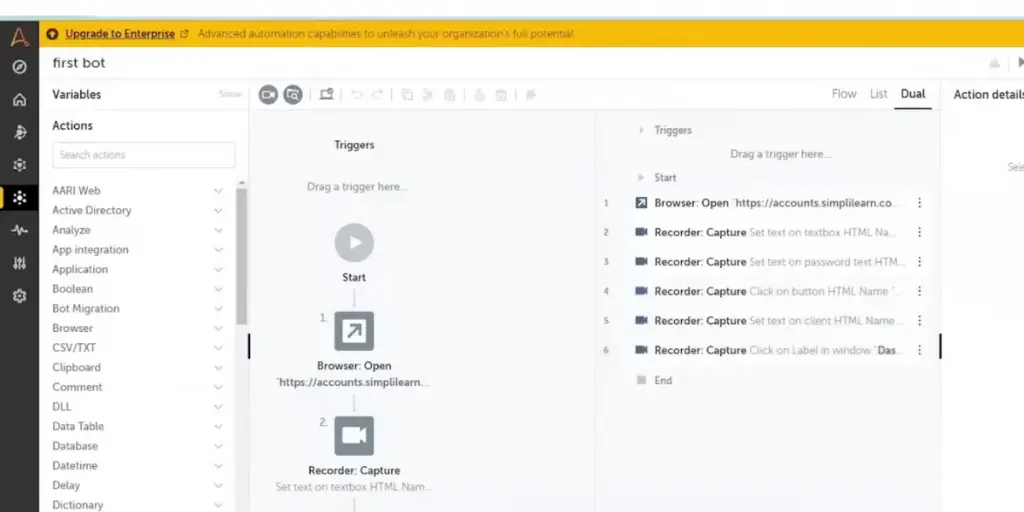
In the wild and wonderful world of Robotic Process Automation (RPA), vendors are like the superheroes of the business landscape, each with their own unique powers to automate the mundane. With their capes on, they swoop in to save organizations from the drudgery of repetitive tasks. But not all heroes wear the same costume! Let’s dive into the unique offerings of the leading RPA vendors and see who shines the brightest in the automation universe.The RPA market is bustling with a mix of established champions and agile newcomers, each vying for dominance in a race that’s picking up speed faster than a caffeinated office worker on a deadline! In the following sections, we’ll lay out a comparative table of these top vendors, discuss their strengths and weaknesses, and take a peek at the market trends shaping the future of automation.
Comparative Table of Top Robotic Process Automation Vendors
Here’s a snapshot of the leading RPA vendors and the unique powers they wield:
| Vendor | Unique Offerings | Strengths | Weaknesses |
|---|---|---|---|
| UiPath | End-to-end automation with a user-friendly interface | Large community support, extensive training resources | Higher licensing costs |
| Automation Anywhere | Cloud-native capabilities with cognitive RPA features | Strong analytics and scalability | Complex setup for new users |
| Blue Prism | Robust security and compliance features | Enterprise-level performance, strong governance | Requires more technical expertise |
| Pega | Integrated with customer relationship management (CRM) | Great for process-centric organizations | Can be costly for small businesses |
| WorkFusion | Combines RPA with machine learning | Excellent for data-heavy processes | Niche focus may not suit all industries |
The above table highlights the unique offerings, strengths, and weaknesses of key RPA vendors, which can help businesses decide which superhero (or vendor) to team up with for their automation journey.
Strengths and Weaknesses of Leading Vendors
Each RPA vendor has a distinct flavor, and understanding their strengths and weaknesses is crucial for making an informed choice. The strengths often lie in their unique features and the value they deliver, while weaknesses can relate to pricing structures or user experience. Here’s a summary of the overall landscape:
UiPath
Known for its ease of use, UiPath is like the friendly neighborhood Spider-Man—easy to approach and effective at tackling everyday tasks! However, that comfort comes with a price, making it a bit expensive for smaller businesses.
Automation Anywhere
This vendor packs a punch with advanced features like intelligent automation, but getting started can feel like climbing Mount Everest without training. Climbing is rewarding but can be daunting at first.
Blue Prism
This vendor is the security guard at the automation gate, focusing heavily on governance and compliance. But just like any elite bouncer, it requires a bit of expertise to get past the velvet rope.
Pega
Pega is the savvy business consultant, seamlessly integrating CRM with automation. However, hiring this consultant can blow a small budget out of the water, making it less accessible for startups and small firms.
WorkFusion
The brainiac of the group, combining RPA with machine learning, is great for data-heavy environments. However, companies outside of high data industries may find this vendor’s services less applicable.
Market Trends Influencing Vendor Selection
The RPA market is more dynamic than a dance floor at a wedding, with trends that can influence vendor selection like a DJ spinning records. Here are some of the key trends currently shaping the landscape:
Increased Adoption of AI and Machine Learning
Many vendors are integrating AI capabilities into their RPA solutions, allowing for smarter automation processes. Businesses are now looking for vendors that offer cognitive automation features to keep up with the competition.
Cloud Migration
The move to cloud-based RPA is akin to upgrading from a flip phone to the latest smartphone—companies are clamoring for the scalability and flexibility that cloud solutions provide. Vendors offering robust cloud capabilities are becoming increasingly appealing.
Focus on User Experience
The demand for user-friendly interfaces is higher than ever. Vendors that cater to non-technical users with intuitive designs and low-code solutions are winning hearts (and contracts) in the RPA space.
Integration Capabilities
Organizations prefer vendors that can easily integrate with their existing systems. The ability to work seamlessly with other software and platforms is a significant factor in vendor selection.
Cost-Effectiveness
Businesses are always on the lookout for cost-effective solutions that deliver high ROI. Vendors that provide transparent pricing models and flexible licensing options are becoming more attractive in a competitive marketplace.In this continual evolution, organizations must keep a keen eye on these trends to make the best choice in the RPA vendor space. With the right partner, companies can transform their operations and automate their way to success!
Evaluation Criteria for Selecting a Software Vendor
When it comes to choosing a robotic process automation (RPA) software vendor, businesses often feel like kids in a candy store—so many options, yet so little guidance! Fear not, for we’re here to help navigate this sweet selection experience. The right vendor can transform your processes from tedious to terrific, but it’s essential to evaluate them carefully to avoid any sour outcomes.To ensure you’re making a wise investment, consider a set of evaluation criteria that will serve as your guiding stars in the vast galaxy of RPA vendors.
Remember, a well-informed decision today can save you from buyer’s remorse tomorrow.
Key Evaluation Criteria
When assessing potential RPA vendors, the following criteria should be at the forefront of your evaluation process. These factors can significantly influence the effectiveness and efficiency of your automation initiatives.
- Technology Compatibility: Ensure the RPA software seamlessly integrates with your existing IT infrastructure and software stacks. A harmonious relationship between systems is key, much like peanut butter and jelly!
- Scalability: Look for a solution that can grow with your business. Just like your favorite pair of stretchy pants, the RPA software should accommodate your expanding needs without bursting at the seams.
- Vendor Reputation: Research the vendor’s track record. Reviews, case studies, and testimonials can provide insight into their reliability. A vendor with a good reputation is like finding the last piece of chocolate in the box—always a delightful surprise!
- Customization Options: Evaluate how customizable the RPA solution is to fit the unique needs of your organization. Think of it as tailoring a suit; it should fit just right!
- Cost Structure: Analyze the pricing model, including licensing fees, maintenance costs, and any hidden charges. Keep an eye out for those sneaky fees that can turn a great deal into a trick!
- Compliance and Security: Ensure the vendor adheres to industry standards and regulations. In the world of data, a strong security posture is like wearing a seat belt—safety first!
- Customer Support: Prioritize vendors that offer robust support options. Think of customer support as your trusty sidekick, always ready to swoop in and save the day.
Vendor Selection Checklist
To simplify your decision-making process, here’s a handy checklist that encompasses the evaluation criteria discussed earlier. Use this checklist to ensure that you’re not missing any critical aspects while selecting your RPA vendor.
- Assess technology compatibility with current systems.
- Check scalability options for future growth.
- Investigate the vendor’s reputation and client feedback.
- Examine customization capabilities of the software.
- Review the cost structure, including any potential hidden fees.
- Verify compliance with necessary regulations and security standards.
- Evaluate the availability and quality of customer support and training options.
Importance of Customer Support and Training
Customer support and training are the glue that holds your relationship with the vendor together. Imagine getting a shiny new toy but having no idea how to use it—frustrating, right? That’s why robust support and comprehensive training are paramount when selecting an RPA vendor.Effective customer support ensures that any hiccups you encounter can be swiftly resolved, allowing you to stay focused on your automation goals.
According to a survey by Gartner, organizations that utilize strong vendor support experience 25% fewer downtime incidents. Meanwhile, training equips your team with the necessary skills to maximize the software’s capabilities, leading to enhanced productivity and reduced frustration.
“Investing in training and support is akin to putting on armor before going into battle—you’re just better prepared to tackle the challenges ahead!”
Case Studies of Successful Implementations
In a world where business efficiency is the ultimate prize, robotic process automation (RPA) has emerged as the knight in shining armor, swooping in to rescue organizations from the clutches of monotonous, error-prone tasks. This section explores real-life case studies where companies have harnessed the power of RPA to drive remarkable transformations. Let’s dive into the nitty-gritty of their journeys, the challenges faced, and the triumphs celebrated.
Financial Sector Transformation
One prominent case study comes from a leading international bank that decided to automate its account reconciliation process. Prior to RPA, the process was a tedious, manual task requiring dozens of employees to comb through multiple systems. The bank faced challenges such as high operational costs and a significant risk of human error. By implementing RPA, they reduced the reconciliation time from a staggering 5 days to just a few hours.
The deployment faced initial hiccups, particularly with integrating RPA tools with existing legacy systems. However, with a dedicated task force and the use of agile methodologies, they ironed out the kinks. The measurable benefits included:
- Cost Savings: The bank saved approximately $1 million annually on labor costs.
- Error Reduction: Human errors decreased by 90%.
- Employee Satisfaction: Employees were able to shift focus from mundane tasks to more strategic roles, leading to a happier workplace.
“RPA has taken us from the stone age of reconciliation to the digital frontier.”
Healthcare Efficiency
A leading healthcare provider tackled the daunting task of patient onboarding, which involved collecting and verifying a plethora of documents. The process was labor-intensive and often resulted in delays, frustrating both patients and staff. After implementing RPA, the provider faced challenges regarding data privacy and compliance regulations, as automating such sensitive information required strict adherence to regulations.With a robust compliance framework in place and constant monitoring, they navigated these challenges smoothly.
Post-implementation, some impressive results followed:
- Time Savings: Onboarding time was halved from 10 days to just 5.
- Improved Accuracy: The accuracy of patient data increased by 95%.
- Patient Experience: Enhanced patient satisfaction scores due to faster service and reduced wait times.
“With RPA, we’ve turned our onboarding bottleneck into a streamlined process that puts patients first.”
Retail Revolution
A global retail giant faced mounting pressure from competitors and a growing online presence. Their inventory management system was outdated, leading to frequent stock discrepancies. By implementing RPA, they automated inventory updates across multiple platforms, significantly improving accuracy and efficiency.Challenges arose during the integration with the existing ERP system, causing temporary disruptions. However, they regrouped and enhanced their employee training programs to ensure a smoother transition.The results were phenomenal:
- Inventory Accuracy: Stock discrepancies decreased by 80%.
- Operational Efficiency: The time spent on inventory management was cut by 70%.
- Sales Growth: The retailer reported a 15% increase in sales due to improved stock availability.
“RPA has transformed our inventory woes into a well-oiled machine, allowing us to focus on what really matters: serving our customers.”
Future Trends in Robotic Process Automation

As we gaze through the crystal ball of Robotic Process Automation (RPA), it’s clear that the future is as bright as a freshly polished robot arm. With a plethora of emerging technologies and trends, vendors are gearing up to not just keep pace but to leapfrog into the next phase of automation innovation. Buckle up, because the RPA ride is about to get a turbo boost!
Emerging Trends in RPA Technologies
The landscape of RPA is evolving rapidly, with several trends making waves that will influence how vendors operate and innovate. Key trends include hyperautomation, intelligent automation, and the integration of Internet of Things (IoT) capabilities.
- Hyperautomation: This trend goes beyond traditional RPA by blending automation with other technologies like AI, machine learning, and even advanced analytics. The result? A supercharged capability that can automate complex processes seamlessly.
- Intelligent Automation: As RPA embraces AI and machine learning, businesses will see bots that can not only execute tasks but also learn from data and adapt over time. Picture a robot that learns from mistakes—no, it won’t sulk in the corner, it’ll just get smarter!
- IoT Integration: With devices becoming smarter, integrating RPA with IoT systems allows for real-time data processing and decision-making. Imagine your coffee machine communicating with your calendar to ensure your latte is ready just as you wrap up that morning meeting!
Advancements in AI and Machine Learning
Artificial Intelligence and machine learning are the dynamic duo pushing RPA to new heights. Vendors are focusing on developing more robust algorithms that not only automate tasks but also predict outcomes based on historical data. This leads to higher efficiency and improved decision-making.
“As AI learns, RPA will become less about following scripts and more about intelligent decision-making.”
The implications here are vast, including:
- Predictive Analytics: Vendors will leverage machine learning algorithms to predict process bottlenecks, allowing for preemptive actions that save time and resources.
- Enhanced User Interaction: AI-driven chatbots and virtual assistants will interact with users more naturally, creating a more streamlined and human-like experience in automated tasks.
- Cost Reduction: With smarter bots doing the heavy lifting, businesses can expect substantial savings, as reduced manual effort translates into lower operational costs.
Significance of Integration Capabilities
In the world of RPA, integration is not just a buzzword; it’s the lifeblood of successful automation. Vendors are recognizing the need for RPA solutions that can seamlessly connect with existing systems, applications, and workflows.The importance of integration can be summarized as follows:
- Streamlined Operations: Integration allows for the smooth flow of information between disparate systems, reducing the chances of errors and ensuring data consistency.
- Enhanced Flexibility: Businesses can adapt to changing requirements easily when RPA solutions can integrate with new technologies and platforms without a hitch.
- Faster Time to Value: With effective integration, organizations can deploy RPA solutions quicker, leading to faster realization of benefits and ROI.
Common Mistakes to Avoid with RPA Vendors
Engaging with Robotic Process Automation (RPA) vendors can feel a bit like dating—exciting, filled with promise, but also fraught with potential pitfalls. Organizations stepping into the world of RPA often stumble into common traps that can derail their automation dreams. From mismatched expectations to vendor lock-in, let’s explore the blunders to avoid, ensuring your journey to automation bliss is smooth and fulfilling.Clear communication of expectations is paramount when collaborating with RPA vendors.
Misunderstandings can lead to project delays, budget overruns, and features that miss the mark by a mile, like trying to use a toaster to make coffee. Establishing what you want from the start will save both parties time and energy—think of it as sharing your favorite Netflix categories before inviting someone over for movie night.
Common Pitfalls Organizations Face
Navigating the RPA landscape isn’t just about choosing a vendor; it’s about avoiding missteps that could turn your automation initiative into a circus act. Here are some classic blunders organizations make:
- Skipping the Needs Analysis: Diving into RPA without a thorough analysis of your processes is like jumping into a pool without checking for water. Ensuring you understand which processes are best suited for automation is crucial.
- Underestimating Change Management: Implementation isn’t just about technology; it’s about people. Failing to prepare your team for change can lead to resistance that even the strongest RPA can’t overcome.
- Inadequate Training: Assuming that employees will figure it out on their own after the tool is deployed is like giving someone a fishing rod and expecting them to catch dinner without teaching them how to use it.
- Poor Vendor Selection: Not all vendors are created equal. Failing to thoroughly vet vendors based on your specific needs can lead to disappointment—like ordering a gourmet meal and receiving fast food instead.
- Ignoring Ongoing Support: Think of RPA as a living organism; it needs care and feeding post-implementation. Disregarding the importance of vendor support can leave your automation efforts gasping for air.
Avoiding Vendor Lock-in
Vendor lock-in is the ominous shadow lurking behind the joy of RPA implementation. This occurs when an organization becomes overly dependent on a vendor’s technology, making it difficult or costly to switch providers later on. Here are strategies to keep your options open:
- Invest in Open Standards: Choosing vendors that support open standards can make your technology stack more flexible and easier to integrate with future solutions.
- Negotiate Exit Clauses: Before signing any contracts, ensure you negotiate exit strategies that allow you to gracefully part ways with a vendor if needed.
- Pilot Programs: Start small with pilot programs before fully committing. This will give you a taste of vendor capabilities without locking you in for the long haul.
- Diverse Vendor Strategy: Consider multi-vendor strategies for different aspects of RPA. This approach mitigates risk and keeps your options open for future innovations.
“A stitch in time saves nine”—and in the world of RPA, clear communication and strategic planning can save you from a heap of troubles down the road.
Best Practices for Working with Robotic Process Automation Vendors: Robotic Process Automation Software Vendor
When embarking on a journey with robotic process automation (RPA) vendors, it’s crucial to steer the ship with a map in hand and a compass set to “successful outcomes.” Collaborating effectively with these vendors can maximize your RPA implementation, ensuring that your robotic overlords serve you splendidly rather than just spectate from the sidelines. Here are some best practices to ensure that your partnership is as fruitful as a well-watered garden.
Establish Clear KPIs for Vendor Performance
Defining clear Key Performance Indicators (KPIs) is essential for assessing the effectiveness of your RPA vendor. Without these guiding metrics, you might as well be throwing darts in a blackout. KPIs not only help in evaluating performance but also in aligning expectations from the get-go. Here’s how to set the stage for a performance review worthy of a standing ovation:
- Define Specific Goals: Your KPIs should be as specific as a cat chasing a laser pointer. Whether it’s reducing processing time by 30% or increasing accuracy by 20%, the clearer the goal, the easier it is to measure success.
- Ensure Measurability: If you can’t measure it, you might as well be measuring the weight of a cloud. Use quantifiable data to track performance—think metrics like the number of transactions processed or error rates pre-and post-implementation.
- Regular Reviews: Schedule regular check-ins that are more frequent than your coffee breaks. This keeps communication lines open and allows for timely adjustments to strategies based on performance data.
- Involve Stakeholders: Ensure that all relevant stakeholders are on the KPI committee. Their insights can provide multiple perspectives, much like a diverse potluck dinner where everyone brings something delicious to the table.
Maintain an Ongoing Relationship with Vendors Post-Implementation
The relationship doesn’t end once the robots are deployed; in fact, that’s just the beginning of the dance. Keeping the lines of communication open can lead to ongoing improvements and support that you might not have anticipated. Here are tips for fostering a long-lasting relationship with your RPA vendor:
- Feedback Loop: Creating a continuous feedback loop is vital. Think of it like a boomerang; you want to send your thoughts and ideas back to the vendor and watch them come back as improvements.
- Regular Training Sessions: Host regular training sessions for your team to stay up-to-date with updates and best practices. Vendors are like your personal trainers; they want you to succeed, so let them help you lift those automation weights!
- Collaborate on Enhancements: Your vendor can be a goldmine of insights for future improvements. Regular brainstorming sessions can lead to innovative ideas that benefit both parties—think of it as a think tank where everyone leaves with a crown of brilliance.
- Be Transparent: Share successes and challenges openly. Transparency builds trust, and in the world of RPA, trust translates into smoother operations and better support.
Essential Questionnaire
What is robotic process automation?
Robotic process automation (RPA) uses software robots to automate repetitive tasks, helping businesses improve efficiency and reduce errors.
How do I choose the right RPA vendor?
Consider factors like scalability, customer support, pricing, and user-friendliness when selecting an RPA vendor.
What industries benefit most from RPA?
Industries like finance, healthcare, and manufacturing frequently leverage RPA to streamline operations and enhance productivity.
Is RPA suitable for small businesses?
Absolutely! RPA can be tailored to fit businesses of all sizes, providing small companies with tools to compete more effectively.
What common mistakes should I avoid when engaging with RPA vendors?
Avoid unclear communication, neglecting vendor support, and failing to define your business needs before starting the implementation process.
