Business intelligence dashboard software is like a crystal ball for organizations, revealing insights and trends that make decision-making feel like a walk in the park—if that park had a well-organized map and a snack stand, of course! With a vibrant array of features tailored to visualize data, this software empowers users from various industries to transform complex information into digestible nuggets of wisdom.
From finance to healthcare, industries are harnessing the power of dashboards to keep their operations on track. With the capability to showcase key performance indicators (KPIs) and integrate seamlessly with different data sources, business intelligence dashboard software is essential for anyone wanting to navigate the business landscape without getting lost in the weeds!
Overview of Business Intelligence Dashboard Software
Business intelligence (BI) dashboard software is like the superhero of the data world—swiftly swooping in to save companies from the clutches of confusion and chaos that come from trying to make sense of endless streams of information. Its primary purpose is to transform complex data into clear, actionable insights that can guide business decisions and strategies. With the help of a BI dashboard, organizations can fly high above the fog of overwhelming data and see a panoramic view of their performance metrics, all in one place.This software typically comes equipped with an impressive array of key features designed to facilitate data visualization, reporting, and analytics.
A well-designed BI dashboard pulls together data from various sources and presents it in easily digestible formats, empowering users to make informed decisions without needing a PhD in data science. Here are some commonly found features in business intelligence dashboard software that exemplify its value:
Key Features of Business Intelligence Dashboard Software
Understanding these features is crucial, as they directly impact how effectively a user can harness the power of data. Here are some highlights:
- Data Visualization: This includes graphs, charts, and maps that help users quickly grasp trends and patterns. Think of it as turning your data spaghetti into a neatly organized plate of pasta!
- Real-Time Data Updates: The ability to see up-to-the-minute data means businesses can react swiftly to changes. It’s like having a crystal ball—only cooler and more tech-savvy.
- Customizable Dashboards: Users can tailor dashboards to reflect their specific needs and preferences, ensuring information is relevant and easy to navigate. Feel free to jazz it up with your favorite colors and designs!
- Interactive Reports: Drill down into data for deeper insights; it’s like going beneath the surface of a lake to explore the hidden treasures below.
- Integration Capabilities: A good BI dashboard plays well with others, integrating seamlessly with various data sources and tools, which makes it the popular kid in the software playground.
Various industries leverage business intelligence dashboard software to optimize their operations, drive performance, and enhance decision-making. Here are some prime examples of sectors that have reaped the benefits:
- Retail: Retailers analyze sales data and customer behavior to optimize inventory and enhance marketing strategies.
- Healthcare: Hospitals use BI dashboards to track patient care metrics and improve operational efficiency, ultimately saving lives and reducing costs.
- Finance: Financial institutions utilize dashboards to monitor investments and risk management, ensuring they stay on top of market trends.
- Manufacturing: Manufacturers use BI to optimize production processes and supply chain management, making sure that every cog in the machine runs smoothly.
- Education: Educational institutions track student performance and engagement through dashboards to improve learning outcomes and operational efficiency.
In summary, business intelligence dashboard software is the ultimate tool for transforming raw data into meaningful insights, proving to be invaluable across a variety of industries. Armed with its robust features and capabilities, organizations can make data-driven decisions that propel them toward success.
Types of Business Intelligence Dashboard Software
In the vast universe of business intelligence dashboard software, a handful of contenders step into the ring, each with its unique flair and functionalities. Whether you’re a small startup or a corporate giant, there’s a dashboard solution just waiting to shine a spotlight on your data. Buckle up, because we’re about to explore the colorful cornucopia of choices available to make your data dance!
Different Types of Business Intelligence Dashboard Software
The variety of business intelligence dashboards can be both exciting and overwhelming. Here’s a breakdown of the main types you’ll find in the market today:
- Self-Service Dashboards: Ideal for those who want to dive into data without waiting for IT’s green light. These user-friendly tools empower users to create reports and visualizations on their own, making data analysis a piece of cake (or a donut, if that’s your preference).
- Operational Dashboards: These are the speedometers of your business, providing real-time data to help manage daily operations. If your business were a race car, these dashboards would be the dashboard lights telling you when to hit the brakes or step on the gas!
- Strategic Dashboards: Perfect for decision-makers, these dashboards offer a high-level overview of your company’s performance. They’re like a bird’s-eye view of a bustling city, allowing executives to assess overall health at a glance.
- Analytical Dashboards: For the data detectives among us, these dashboards dive deep into historical data and complex analyses. They’re the magnifying glasses that help reveal trends and patterns in your data, perfect for those “Aha!” moments.
Cloud-Based vs. On-Premises Solutions
When deciding on the deployment of dashboard software, businesses often face the cloud versus on-premises dilemma. Here’s a closer look at how the two stack up against each other.
- Cloud-Based Solutions: These are the cool kids on the block, hosted on the internet. They offer flexibility, ease of access, and automatic updates. Basically, they’re like having your cake and eating it too while lounging on a tropical beach.
- On-Premises Solutions: The traditionalists of the group, these reside on your company’s servers. They provide greater control and security, which is akin to keeping your prized possessions locked safely in your own vault. However, the maintenance and upfront costs can feel like a hefty toll on your budget.
Open-Source vs. Proprietary Software
Choosing between open-source and proprietary software is akin to deciding between a pizza party and a fancy dinner. Each has its perks and pitfalls, and understanding them can help you pick the right one for your business.
- Open-Source Software: These gems are free and customizable, making them appealing for budget-conscious businesses. However, you might need a dedicated IT team to navigate the complexities, so it’s like having a DIY project that can get a bit messy.
- Proprietary Software: While typically requiring a license fee, these solutions often come with robust support and user-friendly interfaces. They’re like ordering takeout from your favorite restaurant—deliciously easy with guaranteed satisfaction, but you’ll pay for the convenience.
Choosing the right business intelligence dashboard software is like picking the right tool for a job; the right choice can turn a daunting task into a delightful experience!
Key Metrics and Data Visualization
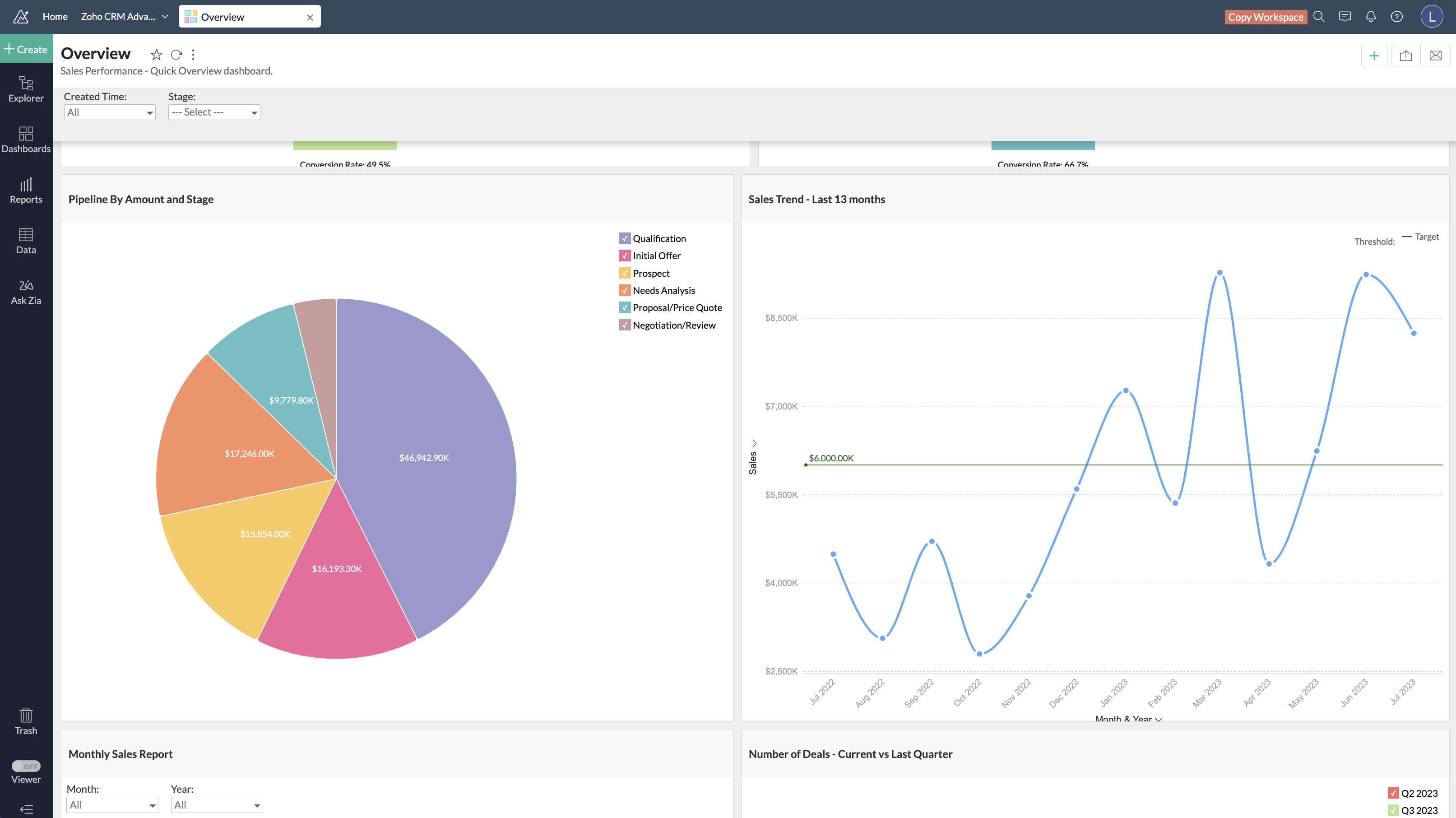
In the world of business intelligence dashboards, key metrics are like the secret sauce that adds flavor to your data. Think of them as the GPS guiding you through the labyrinth of numbers, helping you navigate toward your business goals. Without them, you might as well be driving blindfolded—exciting but not exactly productive! Choosing the right metrics for your dashboard isn’t just a guessing game; it’s a strategic decision that can make or break your data game.
Selecting the most relevant key performance indicators (KPIs) ensures that you’re measuring what truly matters, not just the shiny trinkets that might distract you. Let’s dive into the art of choosing these metrics with the grace of a cat walking a tightrope.
Importance of Key Performance Indicators (KPIs)
KPIs are essential in dashboard software as they provide a clear picture of performance and progress. They transform complex data sets into digestible nuggets of wisdom. Here are some captivating reasons why KPIs are crucial:
-
They align teams and departments with the overall business objectives.
-
They provide actionable insights that can directly influence decision-making.
-
They help track performance over time, making it easier to spot trends and issues.
-
They enable quick reactions to market changes, akin to a superhero responding to a call for help.
The right KPIs can be compared to a good plot twist in a movie—they keep everyone on the edge of their seats, eagerly awaiting the next development in the story of your business.
Choosing the Right Metrics for Display
Selecting the right metrics is like picking the best fruits at the market; you want the ripest and juiciest to ensure the best results. A few guidelines to ensure you’re not left with a basket full of lemons include:
- Identify your business goals and align your KPIs accordingly.
- Understand your audience; choose metrics that resonate with their needs and interests.
- Focus on actionable metrics rather than vanity metrics. Yes, we’re looking at you, follower counts!
- Regularly review and adjust metrics to ensure they remain relevant as your business evolves.
Following these tips helps ensure that the metrics displayed on your dashboard provide real-time insights that lead to meaningful actions.
Effective Data Visualization Techniques
Data visualization is the art of turning cold, hard numbers into a warm, fuzzy understanding of your business landscape. Here are some effective techniques to make your dashboard not just functional but also visually appealing:
- Bar Charts: Perfect for comparing data across different categories, making it visually easy to spot trends and patterns.
- Line Graphs: Ideal for tracking changes over time, like a soap opera plot that keeps twisting and turning.
- Pie Charts: Great for showing proportions, but use sparingly! Too many slices can make it look like a pizza party gone wrong.
- Heat Maps: These colorful beauties help identify density and patterns in data, like spotting the hottest trends in town.
- Dashboards with Drill-Down Capabilities: These allow users to click and dig deeper into the data, akin to a treasure hunt where every click could reveal a nugget of wisdom.
Incorporating these visualization techniques can turn your dashboard from a plain old data dump into an engaging storytelling experience that captivates your audience and keeps them coming back for more data delights.
Integration with Data Sources
When it comes to business intelligence dashboard software, integration with data sources is akin to a chef mixing the perfect ingredients for a gourmet dish. Without the right components, the end result can be bland and uninspiring. This segment dives into the diverse array of data sources that can be harmoniously blended into your dashboard, along with the steps to achieve a seamless integration that even your grandma would be proud of.
Data Sources for Integration
In the realm of business intelligence, the possibilities for data integration are as vast as the ocean. Here are some popular data sources that can be effortlessly integrated into your dashboard:
- Relational Databases: These include SQL Server, MySQL, and PostgreSQL, where data is stored in structured formats, making it easy to pull in and analyze.
- NoSQL Databases: Think MongoDB or Cassandra, ideal for unstructured data that requires flexibility and scalability.
- Cloud Services: Services like Google Analytics, Salesforce, and AWS provide APIs that allow for smooth integration of data from the cloud.
- Spreadsheets: Excel or Google Sheets are often the unsung heroes of data collection, and integrating these can bring valuable insights right to your dashboard.
- Web Applications: Integration with platforms such as Shopify or Zendesk allows you to utilize customer and sales data for more informed decision-making.
- Social Media Platforms: Pull data from Facebook, Twitter, or LinkedIn to gain insights into customer engagement and brand sentiment.
Steps for Integrating External Data Sources
Integrating external data sources into your business intelligence dashboard is a process that involves a few straightforward steps. Here’s how to navigate this landscape like a pro:
- Identify Data Needs: Start by defining what data is critical for your analysis. This is like deciding what toppings you want on your pizza before ordering.
- Select Integration Method: Choose whether to use direct connections, APIs, or data import tools based on your data source and software capabilities.
- Establish Connection: Use the appropriate connectors or drivers to link your data source to the dashboard. This requires some technical know-how, akin to setting up your Wi-Fi router without calling tech support.
- Map Data Fields: Align the fields from your source to the fields in your dashboard, ensuring that your metrics are mapped correctly. This is like making sure your puzzle pieces fit together perfectly.
- Test the Integration: Before going live, run tests to ensure data flows as expected and troubleshoot any issues. Think of this step as quality control before the big feast.
Best Practices for Data Accuracy and Consistency
Maintaining data accuracy and consistency across integrations is crucial to ensuring reliable insights. Here are best practices that will keep your data as pristine as a freshly polished trophy:
- Regular Data Audits: Implement periodic checks to assess the accuracy and consistency of your data. This is like having a regular check-up to catch any problems early.
- Automate Data Updates: Schedule automated updates to minimize human error and ensure your data is always current. Think of it as setting your coffee machine to brew automatically in the morning.
- Standardize Data Formats: Use consistent data formats across different sources to reduce discrepancies. It’s like wearing matching socks — it just makes everything look better.
- Implement Error Handling: Establish protocols for error detection and resolution to quickly address any data issues that arise. This is your safety net, ready to catch any data slips.
- Documentation and Training: Keep thorough documentation of integration processes and train your team on best practices. This ensures everyone is on the same page, like a well-rehearsed choir.
“Data is like a fine wine; it gets better with careful handling and the right conditions.”
User Experience and Design Principles
Creating a user-friendly dashboard is akin to hosting a dinner party where the guests—your users—should feel right at home. Just like a well-planned soirée, a dashboard needs to be inviting and easy to navigate. The better the user experience, the more likely your guests (or users) will return and talk fondly about it to their friends. In the world of Business Intelligence, a dashboard is not just a tool; it’s the friendly face of your data, ready to serve insights with a side of sass!Design principles for dashboards can turn a jumbled mess of graphs and numbers into a clear, engaging narrative.
This involves understanding what users need and how they prefer to consume information. When users can easily find the data they need without a scavenger hunt, it’s a win-win situation.
Essential Design Principles for User-Friendly Dashboards
To craft a dashboard that users want to engage with, consider these key design principles that ensure a smooth journey through your data landscape:
- Simplicity: Keep it clean, folks! A cluttered dashboard is like a crowded buffet—overwhelming and hard to navigate. Limit the number of elements on the screen to only display what’s necessary.
- Consistency: Use uniform colors, fonts, and layouts. It’s like dressing your dashboard in a well-tailored suit; it should look polished and professional.
- Hierarchy: Let your data breathe! Important metrics should stand out, akin to the headliner at a concert, while less critical information plays the background role.
- Feedback: Users should know their commands are being acknowledged. A little ‘thank you’ message or loading spinner can do wonders for their emotional well-being.
- Accessibility: Design with all users in mind. Make sure your dashboard is friendly to everyone, including those with disabilities, by employing color contrast and keyboard navigation.
Significance of Responsive Design in Business Intelligence Dashboards
Responsive design is the superhero of the dashboard world, ensuring your insights are accessible and visually appealing across various devices. Whether users are peeking at dashboards on their desktops, tablets, or smartphones, responsive design ensures that information adjusts seamlessly, like a chameleon blending into its surroundings. This adaptability is crucial as users increasingly rely on mobile devices for business intelligence on-the-go.Here are some benefits of responsive design that can elevate your dashboard game:
- Enhanced User Accessibility: Whether on a train or a coffee shop, users can access crucial data anytime, anywhere.
- Improved User Engagement: A dashboard that looks great on any device keeps users engaged and reduces bounce rates.
- Cost Efficiency: One design fits all! You save time and resources by avoiding multiple versions of the same dashboard for different devices.
Common Design Elements in Dashboard Software
Understanding the usual suspects among design elements can help you create a dashboard that not only looks good but also serves its purpose effectively. Here’s a breakdown of some must-have components:
| Design Element | Purpose |
|---|---|
| Charts and Graphs | Transform raw data into visually digestible formats, making trends and insights easier to spot. |
| Filters | Allow users to slice and dice data based on their specific needs, akin to a chef selecting ingredients. |
| Indicators | Show performance at a glance, like a traffic light guiding users through their journey of data exploration. |
| Navigation Menus | Help users traverse through various sections of the dashboard smoothly, just like a well-marked trail in a national park. |
| Alerts and Notifications | Keep users informed about important updates and changes, acting as the friendly neighborhood reminder. |
Security and Data Governance

In the realm of business intelligence dashboard software, security and data governance stand as the vigilant guardians against the dark forces of data breaches and compliance violations. Imagine your business data as a secret recipe for the world’s best cookies; you wouldn’t want just anyone sniffing around the kitchen, right? Thus, robust security measures ensure that your valuable insights remain safe from the prying eyes of competitors and cybercriminals alike.Establishing security protocols is not just a good idea; it’s essential to the survival of your data integrity and company reputation.
Business intelligence dashboards often handle sensitive information, making them prime targets for data theft. Companies must implement a range of security measures to stave off potential threats, including encryption, data masking, and robust authentication processes. These methods work together like a digital fortress, keeping your insights locked away from unauthorized access.
Compliance with Data Protection Regulations
Navigating the labyrinth of data protection regulations is akin to walking through a hedge maze—tricky but absolutely crucial. To ensure that dashboard usage complies with these regulations, companies can adopt the following strategies:
- Establish a data privacy policy that Artikels how data is collected, processed, and stored, ensuring transparency with users.
- Regularly conduct audits and assessments to identify compliance gaps and rectify them before they spiral out of control.
- Utilize data anonymization techniques to protect personal data while still enabling valuable analytics.
- Stay updated on local and global regulations (like GDPR or HIPAA) to ensure your practices evolve alongside legal requirements.
- Implement training programs for employees to foster a culture of data protection awareness and responsibility.
User Permissions and Access Controls
User permissions and access controls act as the bouncers at the exclusive club of your dashboard. Not everyone needs a VIP pass to access every corner of your data. By effectively managing who can see what, businesses can significantly reduce the risk of data leaks. Establishing user permissions involves creating a hierarchy of access levels based on job roles and responsibilities.
For example, a data analyst might need access to detailed sales data, while a marketing intern may only require high-level summaries. By implementing this tiered access system, organizations can ensure that sensitive information is only viewed by those who truly need it.
“Good security is like a good diet; it’s all about balance.”
To further enhance data governance, regular reviews of user access are essential. This guarantees that former employees or those who have changed roles do not retain access to sensitive data they no longer require. Additionally, employing multi-factor authentication (MFA) can provide an extra layer of security, making it more challenging for unauthorized users to gain access.In conclusion, the combination of strong security measures, compliance strategies, and user access controls creates a robust framework that protects business intelligence data like a high-tech vault—keeping it safe from all who aim to misuse it while allowing legitimate users to access the insights they need to make informed decisions.
Case Studies and Success Stories: Business Intelligence Dashboard Software
In the world of business intelligence dashboard software, success stories are the bread and butter. These tales of transformation not only highlight the ingenuity of organizations but also serve as a guiding light for those pondering whether to leap into the data-driven abyss. Buckle up as we dive into some riveting case studies that showcase how businesses navigated the choppy waters before finding their dashboard nirvana.
ABC Retail’s Inventory Insight
Before ABC Retail harnessed the power of business intelligence dashboards, they were sailing in the fog of manual data tracking. Inventory levels were akin to a game of “guess how many jellybeans are in the jar,” leaving them vulnerable to stockouts and overstocked shelves. Once they adopted a dashboard solution, their inventory management transformed dramatically.
Challenge
Inefficient inventory tracking leading to lost sales and excess stock.
Solution
Implemented a real-time dashboard that integrated seamlessly with their existing ERP system.
Results
Within six months, ABC Retail reported a 30% reduction in stockouts and a 20% decrease in excess inventory, translating to significant cost savings and happier customers.
“With our new dashboard, we’ve turned chaos into clarity!” – ABC Retail Management
XYZ Financial Services and Decision-Making Speed, Business intelligence dashboard software
XYZ Financial Services found themselves swimming in a sea of spreadsheets and PowerPoint presentations, struggling to make timely decisions. The delay in accessing real-time insights was hampering their ability to respond to market changes. Enter the charismatic hero: a business intelligence dashboard!
Challenge
Slow decision-making due to reliance on outdated reporting methods.
Solution
Adopted a powerful dashboard that aggregated data from various sources, providing real-time analytics.
Results
Decision-making speed increased by 40%, allowing XYZ to capitalize on market opportunities rapidly, ultimately boosting revenue by 15%.
“With our dashboard, we went from tortoise to hare in decision-making!” – XYZ Financial Services Executive
123 Manufacturing’s Efficiency Revolution
Manufacturing had its fair share of production headaches, with inefficiencies leading to missed deadlines and unhappy clients. The challenges they faced were less about producing widgets and more about understanding the production process itself. They needed visibility, and fast! After implementing a dashboard, the results were nothing short of miraculous.
Challenge
Lack of visibility into production bottlenecks and operational inefficiencies.
Solution
Utilized a customized dashboard that visualized key performance indicators and operational metrics.
Results
Increased operational efficiency by 25%, significantly reducing lead times and improving customer satisfaction ratings by 35%.
“Our dashboard has transformed us from a production line to a production miracle!” – 123 Manufacturing Manager
GreenTech Innovations’ Sustainability Goals
GreenTech Innovations faced pressures from stakeholders to meet sustainability targets while maintaining profitability. The challenge was aligning their operational data with their green initiatives. By leveraging a business intelligence dashboard, they managed to make data-driven decisions that supported both goals.
Challenge
Difficulty in tracking sustainability metrics alongside business performance.
Solution
Implemented a dashboard that integrated energy consumption, waste management data, and carbon footprint metrics.
Results
Achieved a 50% reduction in energy costs over two years while simultaneously improving their sustainability score by 20%, impressing both clients and environmental advocates alike.
“Our dashboard didn’t just save us money, it saved the planet too!” – GreenTech Innovations Director
Future Trends and Developments
As we peer into the crystal ball of business intelligence (BI) dashboard software, it’s hard not to feel a mix of excitement and a touch of apprehension—like staring at a rollercoaster that promises both thrills and the occasional stomach flip! The digital landscape is evolving rapidly, and the dashboards of tomorrow are poised to be smarter, faster, and infinitely more user-friendly.
With emerging trends paving the way for innovative functionalities, the future looks bright for BI enthusiasts who relish data-driven decision-making.
Emerging Trends in Business Intelligence Dashboard Software
The evolution of business intelligence dashboards is driven by several key trends that are transforming how organizations visualize and interact with their data. These trends include enhanced user customization, open-source solutions, and cloud-based deployments that ensure accessibility and flexibility.
- Enhanced Customization: Users are now expecting dashboards that are not just functional, but also tailored to their specific needs. This includes customizable widgets and the ability to integrate preferred data sources seamlessly.
- Open-source Solutions: The rise of open-source BI tools is shaking up the market, allowing organizations to adapt and mold their dashboards without the hefty price tag of proprietary software.
- Cloud-based Deployments: With the shift towards remote work and global teams, cloud-based dashboards are becoming the norm, offering real-time access and collaboration possibilities regardless of location.
The Impact of Artificial Intelligence on Dashboard Functionalities
Artificial intelligence (AI) is set to revolutionize how we use business intelligence dashboards. Rather than simply displaying historical data, future dashboards will leverage AI for predictive analytics, natural language processing, and automated insights. Picture your dashboard not just showing you what’s happening, but also whispering sweet nothings about what might happen next!
- Predictive Analytics: Imagine a dashboard that can forecast trends based on historical data, helping businesses to anticipate market changes and make proactive decisions.
- Natural Language Processing: Users will soon be able to ask their dashboards questions in everyday language and get instant visual responses—like having a personal data assistant that actually listens!
- Automated Insights: Forget manual report generation; future dashboards will automatically highlight significant anomalies and trends, saving time and ensuring that critical insights aren’t overlooked.
The Role of Real-time Data in Shaping the Future of Business Intelligence Dashboards
In an age where every second counts, the demand for real-time data integration in BI dashboards is surging. Organizations that can harness real-time data will have a distinct competitive advantage, making quicker and more informed decisions. Think of it as the difference between driving a classic car and a high-speed sports car—both are impressive, but only one gets you to the finish line first!
- Instant Decision-Making: With real-time data, businesses can respond to changes as they happen, ensuring they remain agile and competitive in ever-changing markets.
- Enhanced Collaboration: Teams can work together more effectively when everyone has access to the same up-to-the-minute information, breaking down silos like they’re made of butter.
- Proactive Risk Management: Real-time analytics can help identify potential risks before they escalate, allowing organizations to take action before a minor hiccup becomes a major disaster.
In the future, business intelligence dashboards won’t just be tools; they’ll be trusted advisors, forecasting the path ahead with a wink and a nudge!
Q&A
What is business intelligence dashboard software?
It’s software that visualizes data and key metrics, helping organizations make informed decisions with ease.
How can I choose the right dashboard software?
Consider your specific needs, budget, ease of use, and whether you prefer cloud-based or on-premises solutions.
What industries benefit from business intelligence dashboards?
Finance, healthcare, retail, and marketing are just a few of the sectors that thrive on data-driven insights.
Are there free options for business intelligence dashboard software?
Yes, several open-source options exist, though they may require more technical know-how to set up and maintain.
How important is data integration in dashboard software?
Very important! Integration ensures that your dashboard reflects real-time data from various sources, enhancing accuracy and reliability.
