Hybrid cloud architecture design services are the magical glue uniting your on-premises infrastructure with the cloud’s endless possibilities, like peanut butter and jelly but for your IT strategy! In today’s fast-paced digital realm, where data flows like a never-ending stream of coffee on Monday mornings, understanding how hybrid cloud systems combine the best of public and private clouds is crucial for any savvy business.
These services help businesses harness the flexibility and scalability of hybrid models while ensuring enhanced security and compliance. Picture a world where your data dances between clouds, picking the best weather to thrive, and that’s the beauty of hybrid cloud architecture!
Introduction to Hybrid Cloud Architecture
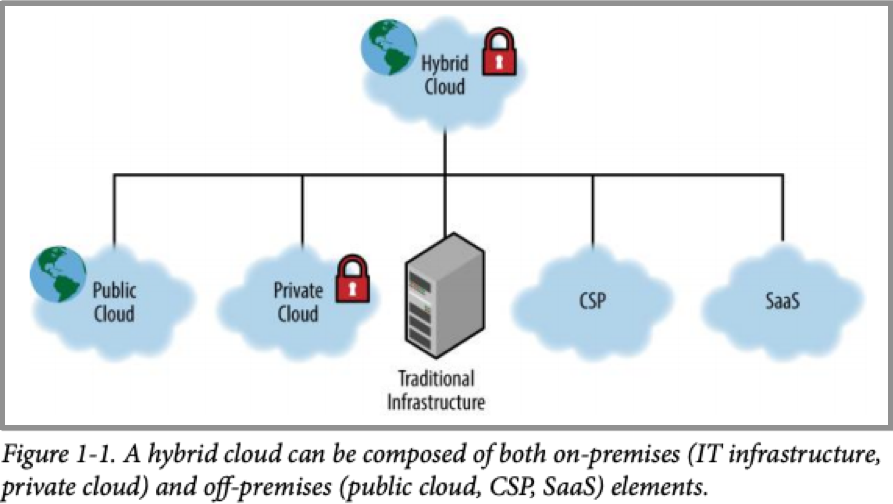
Hybrid cloud architecture is the IT equivalent of a perfectly brewed cup of coffee—combining the robustness of a strong espresso with the delightful fluffiness of steamed milk. It marries both public and private cloud environments, allowing organizations to harness the best of both worlds. This flexibility is crucial in today’s fast-paced digital landscape, where agility and scalability are not just buzzwords but essential for survival.At its core, hybrid cloud architecture consists of three primary components: the public cloud, private cloud, and the on-premise infrastructure.
Public clouds, like your friendly neighborhood cloud providers, offer resources over the internet, providing a cost-effective solution for businesses of all sizes. Private clouds, on the other hand, are like your own backyard pool—secure and customizable, catering specifically to your organization’s needs. The on-premise infrastructure acts as the trusty bridge between these two, ensuring smooth sailing (or swimming) between public and private realms.
Key Components of Hybrid Cloud Architecture
Understanding the essential components of hybrid cloud architecture plays a pivotal role in its successful implementation. The interplay of these elements ensures that data is seamlessly managed and applications perform optimally.
Public Cloud Services
These services include resources like computing power, storage, and databases offered by third-party providers. They are scalable and accessible, providing businesses with the ability to expand without investing in physical hardware.
Private Cloud Services
This is a dedicated cloud environment for a single organization, offering enhanced security and control over data. It’s like having a personal butler for your data—available only to you, and always at your service.
On-Premise Infrastructure
This component represents the physical hardware and software located within a company’s data center. It acts as a linchpin, facilitating a secure connection between the private and public clouds, much like a bridge over a turbulent river.
Integration Tools
These tools are crucial for ensuring that the public and private cloud services communicate effectively. They help avoid the chaos that can ensue when two worlds collide, much like ensuring your cat and dog can coexist peaceably in the same house.
Security Protocols
Security is a paramount concern in any IT architecture. Hybrid cloud setups require robust security measures to protect sensitive data as it travels between public and private clouds. Think of it as a security detail for the royal family—vigilant and always alert.
Differences Between Cloud Models
Understanding the distinctions between public, private, and hybrid cloud models is essential for businesses aiming to optimize their IT strategies. Each model has its unique characteristics, advantages, and challenges.
Public Cloud
Cost-effective and highly scalable
Managed by third-party providers
Resources shared among multiple organizations
Ideal for non-sensitive data and applications
Private Cloud
Offers enhanced security and control
Dedicated solely to one organization
Greater customization options
Suitable for sensitive data and critical applications
Hybrid Cloud
Combines elements of both public and private clouds
Provides flexibility and scalability
Allows businesses to keep sensitive data private while leveraging public cloud resources
Perfect for organizations with fluctuating workloads
“Hybrid cloud architecture is not just a trend; it’s the future of digital business, offering flexibility and efficiency in a world that demands agility.”
By understanding these components and differences, businesses can better navigate the complex waters of cloud computing, ensuring they choose the right model for their needs while maintaining a competitive edge. As we dive deeper into cloud architecture, it’s clear that the future is bright, fluffy, and undeniably hybrid.
Benefits of Hybrid Cloud Architecture
In the world of cloud computing, hybrid cloud architecture reigns supreme, bringing together the best of both worlds—public and private clouds—to create a delightful concoction of flexibility and control. Picture a buffet where you can serve up your favorite dishes without the constraints of a single-plate policy. With hybrid cloud solutions, businesses can savor the taste of innovation while keeping their data secure and compliant.
One of the primary advantages of hybrid cloud architecture is its remarkable cost-effectiveness and scalability. It’s like having a superhero cape that allows businesses to soar above their operational expenses while being nimble enough to grow as the demand dictates. Integrating hybrid cloud solutions means companies can shift workloads between public and private clouds, optimizing costs and avoiding hefty fees for underutilized resources.
Cost-Effectiveness and Scalability
The financial benefits of hybrid cloud architecture can be substantial, providing businesses with a clearer view of their budgetary landscape. When you can expand resources when needed and scale back when not, it’s like having a financial crystal ball that helps you predict and manage expenses effectively. Here are some key points highlighting this cost-effective magic:
- Pay-as-you-go model: Organizations can use public cloud resources on a pay-as-you-go basis, minimizing wasted expenditures on unused capacity.
- Reduced capital expenses: By leveraging existing infrastructure and only investing in additional resources when necessary, businesses can save on upfront costs.
- Optimized workloads: Dynamic workload management allows businesses to allocate resources where they are most needed, preventing overprovisioning.
- Predictable budgeting: With a clear understanding of cloud usage and costs, organizations can forecast expenses with greater accuracy.
Enhanced Security and Compliance Features
Security is no longer just a checkbox on the company’s to-do list; it’s the bedrock of trust between businesses and their customers. In the hybrid cloud arena, security measures are double-layered—like a cozy security blanket protecting sensitive data while still allowing for flexibility. The compliance features of hybrid cloud systems ensure that organizations adhere to industry regulations while keeping their data safe from prying eyes.
Here’s how enhanced security is woven into the fabric of hybrid cloud architecture:
- Data sovereignty: Businesses can retain sensitive data in private clouds while using public clouds for less critical workloads, ensuring compliance with local data regulations.
- Multi-layered security: Combining physical, network, and application security controls offers a comprehensive approach to protecting data.
- Regular updates: Cloud providers often handle security patches and updates, relieving businesses of a significant burden in maintaining compliance.
- Disaster recovery: Hybrid cloud solutions typically offer robust disaster recovery options, ensuring that data can be restored in case of unforeseen events.
“In the hybrid cloud world, security is not just a feature; it’s the golden ticket to customer trust.”
Key Design Principles

In the wild world of hybrid cloud architecture, a few guiding principles stand tall like the pillars of a majestic Greek temple. These principles ensure that your cloud strategy doesn’t just float around like a cloud of cotton candy but stands firm and resilient. Here’s where we unpack the magic formula for a robust and effective hybrid cloud setup. The fundamental design principles for hybrid cloud architecture emphasize flexibility, scalability, security, and integration.
Achieving a balance among these key elements is crucial for a successful deployment. A hybrid cloud must allow seamless data movement and workload management, ensuring that businesses can adapt to changing demands without breaking a sweat—or the bank.
Architectural Frameworks Comparison
When it comes to architectural frameworks suitable for hybrid cloud, think of them as different styles of pizza—each with its own unique toppings and flavors. Understanding these options allows organizations to slice into the one that best suits their needs. Here’s a quick comparison of popular frameworks:
Cloud Bursting
This model allows applications to run in a private cloud while leveraging the public cloud during peak demands. It’s like having a bouncer at your exclusive club, allowing in extra guests when the party gets too wild.
Multi-Cloud Strategy
Instead of relying on a single cloud provider, using multiple clouds can reduce risks and enhance functionality. Imagine a buffet where you pick your favorite dishes from different cuisines—why settle for just one?
Hybrid IT Environment
This approach combines on-premises infrastructure with cloud services. It’s the best of both worlds, like wearing your favorite comfy sweatpants while sipping a fancy cocktail at a gala.Each of these frameworks has its own strengths, and the choice depends on specific business needs, regulatory requirements, and cost considerations.
Best Practices for Designing a Resilient Hybrid Environment
Designing a resilient hybrid environment is akin to building a fortress against a dragon—you want it well-protected and ready for any threat. Here are some best practices that will help fortify your cloud castle:
Implement Robust Security Measures
Secure access and data encryption are non-negotiables in a hybrid setup. Firewalls and intrusion detection systems are your knights in shining armor, ready to fend off any unwanted visitors.
Leverage Automation
Automate tasks like scaling resources and managing workloads to reduce human error and improve efficiency. Think of it as having a trusty robot sidekick that handles the boring stuff while you focus on the fun.
Regular Monitoring and Testing
Consistently monitor your system’s performance and conduct disaster recovery drills. It’s akin to regularly checking the weather—better to be safe than sorry when the storm rolls in.
Data Governance and Compliance
Ensure that data residency and compliance regulations are adhered to. Consider this your rulebook; it keeps your cloud environment from turning into a chaotic free-for-all.By embracing these best practices and understanding the architectural frameworks, organizations can design hybrid cloud environments that not only withstand the test of time but also thrive in the face of an ever-evolving digital landscape.
Hybrid Cloud Design Services
When diving into the vast ocean of hybrid cloud architecture, it’s essential to have the right design services to navigate your ship to success. Hybrid cloud design services are like the Swiss Army knives of the cloud world—they come equipped with various tools to help businesses tailor their infrastructure to their specific needs. With the right design services, organizations can harness the power of both public and private clouds, creating a flexible, scalable, and efficient setup.
Overview of Available Design Services
Hybrid cloud design services encompass a variety of offerings that cater to diverse business requirements. The key design services are structured to ensure that your cloud architecture is not only effective but also efficient. Here are the main services available:
- Architecture Assessment: A thorough evaluation of the current IT landscape, identifying gaps and opportunities for hybrid cloud integration. Think of it as a health check-up for your cloud infrastructure—essential for a healthy cloud ecosystem.
- Design Blueprint Development: Crafting a customized design blueprint that maps out the integration of public and private clouds, ensuring they work together like a well-rehearsed dance troupe.
- Migration Planning: Strategizing the migration of applications and data to the hybrid environment with minimal disruption. This process is akin to moving houses—except you’re not just packing boxes; you’re migrating your digital life!
- Security Framework Design: Implementing robust security measures to protect sensitive data across both cloud environments. It’s like adding a moat and drawbridge to your digital castle, ensuring that only the right people get in.
- Performance Optimization: Continuously analyzing and improving the performance of the hybrid cloud setup to ensure it runs smoother than a freshly buttered slide. This includes monitoring resource usage and scaling as needed.
Selecting the Right Design Service
Choosing the right design service is like picking the perfect avocado: it requires careful consideration to ensure you don’t end up with something that’s too hard or overly ripe! Businesses need to assess their specific needs, budgetary constraints, and long-term goals to determine which service fits best. Key considerations include:
- Business Objectives: Clearly defined business goals should steer the selection process. Are you looking to enhance scalability, reduce costs, or improve performance?
- Current Infrastructure: Analyzing existing IT environments can reveal what services are necessary. If you’re starting with outdated hardware, it might be time for a makeover!
- Compliance Requirements: Understanding regulatory demands is crucial—failure to do so could lead to more than just a bad hair day; it could mean hefty fines!
- Budget: Keeping a watchful eye on costs ensures that you not only get the best services but also stay within the financial realm of reality. Nobody wants to be the business that overspent on cloud services and now can’t afford office snacks!
Role of Consulting Firms in Design
Consulting firms play a pivotal role in hybrid cloud architecture design, serving as the trusted advisors that help organizations navigate this complex landscape. Their expertise can bridge the gap between a company’s aspirations and technical realities. Consulting firms typically offer:
- Expert Guidance: They bring in-depth knowledge and experience, ensuring that companies don’t reinvent the wheel when it comes to designing their hybrid cloud.
- Best Practices Implementation: By leveraging industry best practices, consulting firms help optimize the hybrid design for performance, security, and compliance.
- Change Management: They assist organizations in managing the transition to hybrid cloud, ensuring teams are trained and prepared for the new environment. It’s like having a personal coach to guide you through your cloud fitness journey!
- Ongoing Support: Post-implementation support helps tackle any issues that arise, ensuring that the cloud environment remains robust and efficient—not the digital equivalent of a sinking ship!
Implementation Strategies: Hybrid Cloud Architecture Design Services
Successfully implementing a hybrid cloud architecture is akin to assembling a jigsaw puzzle in a dimly lit room while the lights keep flickering—challenging yet rewarding. A well-thought-out plan can help avoid the classic “where does this piece go?” dilemma. This section dives into the crucial steps for a seamless transition from traditional to hybrid cloud systems, ensuring your organization can strut its cloud stuff with confidence.
Steps for Successful Implementation
To kick off a successful implementation, it’s essential to follow a structured approach. Each step is designed to ensure that your migration is as smooth as butter on a hot pancake.
“Failing to plan is planning to fail.”
Here’s a detailed plan for transitioning to a hybrid cloud architecture:
- Assessment of Current Environment: First, give your existing IT infrastructure a good long look. This involves evaluating applications, workloads, and data storage needs to determine what to keep on-premises and what to move to the cloud.
- Define Business Objectives: Clear objectives set the roadmap. Are you looking to reduce costs, increase scalability, or enhance performance? Knowing this helps in tailoring your hybrid cloud strategy.
- Select Appropriate Cloud Providers: Not all clouds are created equal. Choose providers that align with your specific needs and compliance requirements. Think of it as finding your perfect dance partner for the cloud tango.
- Design Architecture: Create a blueprint for your hybrid environment. This includes networking, data flow, security, and how different elements will interact. Consider employing a cloud management platform to streamline the process.
- Migration Planning: Develop a detailed migration plan that includes timelines and resource allocation. Prioritize workloads for migration based on their complexity and business impact.
- Implementation and Testing: Execute the migration in phases to minimize disruption. Testing after each phase ensures everything behaves as expected—like checking your parachute before jumping out of the plane.
- Training and Documentation: Equip your team with the necessary skills to manage the hybrid cloud environment. Documentation is essential for smooth sailing in the future and helps avoid a “What were we thinking?” moment.
- Monitoring and Optimization: Post-implementation, continuous monitoring is key. Regularly assess performance, costs, and security to optimize your hybrid cloud setup.
Challenges and Strategies to Overcome Them
Every cloud has a silver lining, but navigating a hybrid cloud implementation can present challenges reminiscent of trying to find a needle in a haystack. Here are some common hurdles and strategies to leap over them.A major challenge faced during implementation is data security. With data spread across multiple environments, maintaining the integrity and confidentiality of sensitive information can be tricky.
“Security is not a product, but a process.”
Here’s how to tackle this:
- Implement Robust Security Protocols: Use encryption, access controls, and regular audits to protect data.
- Train Staff: Your team should be well-versed in security best practices to mitigate risks.
Another challenge is integration with existing systems. Legacy systems might not always play nice with newer cloud solutions. To address this:
- APIs and Middleware: Employ APIs or middleware solutions that act as translators between systems, ensuring smooth communication.
- Phased Integration: Integrate systems step by step rather than all at once to reduce confusion.
Finally, managing costs in a hybrid cloud environment can get out of hand faster than a kid in a candy store. Combat this by:
- Utilizing Cost Management Tools: Leverage tools that provide insights into your cloud usage and spending.
- Regular Reviews: Conduct regular reviews of cloud usage and adjust resources accordingly, like trimming the fat from a budget.
Case Studies of Hybrid Cloud Architecture
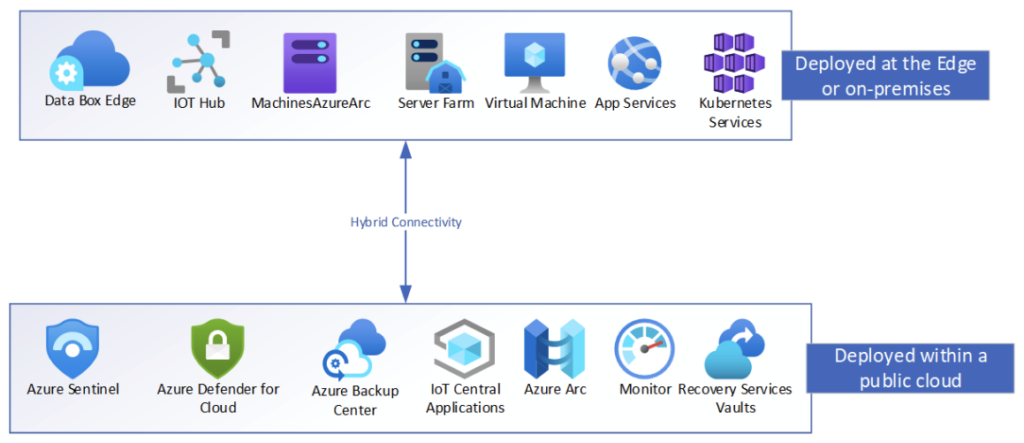
In the bustling world of technology, hybrid cloud architecture has emerged as a charming chameleon—able to adapt to the varying needs of businesses across different industries. This section delves into real-world examples of successful hybrid cloud implementations, showcasing how organizations have embraced this flexible solution to tackle their unique challenges. It’s a tale of triumphs, a sprinkle of lessons learned, and a dash of humor!
Healthcare Sector Implementation, Hybrid cloud architecture design services
The healthcare industry is a prime example of hybrid cloud architecture’s transformative power. For instance, a major hospital network integrated a hybrid cloud solution to manage patient data more effectively. Utilizing a combination of on-premises servers and public cloud resources, they significantly improved their data processing capabilities.The hospital faced challenges with data privacy and compliance, which led them to adopt a hybrid approach.
By keeping sensitive data on-premises while leveraging the public cloud for analytics, they ensured both security and scalability. The outcome? Reduced costs, enhanced patient care, and a happier IT team—because who doesn’t love less downtime?
Financial Services Adoption
In the fast-paced financial services sector, agility is paramount. One global bank decided to implement hybrid cloud architecture to streamline their trading platform. They cleverly utilized a private cloud for sensitive financial transactions and a public cloud for less critical operations.Despite initial skepticism, the combined approach allowed the bank to process transactions at lightning speed while maintaining compliance with regulatory standards.
The lesson learned here: hybrid clouds can make financial institutions feel like they’ve just hit the jackpot—balancing security and performance without breaking a sweat!
Retail Industry Transformation
The retail landscape is ever-evolving, and one major retailer adopted hybrid cloud architecture to enhance their e-commerce capabilities during peak seasons. By employing this approach, they maintained their primary data on private servers while tapping into cloud resources during high traffic periods, ensuring that their website didn’t crash during a sale.As a result, they experienced a 30% increase in online sales during their busiest season.
The key takeaway? A hybrid cloud strategy can be like stocking up on snacks for a movie marathon—ensuring you’re prepared for the rush while avoiding the dreaded buffer!
Media and Entertainment Deployment
The media and entertainment industry thrives on creativity, and one leading production studio used hybrid cloud architecture to streamline their content creation and distribution processes. By leveraging a combination of on-premises servers for editing and a robust public cloud for storage, they managed to reduce project turnaround times significantly.This dual approach allowed them to collaborate seamlessly across various teams, resulting in a blockbuster hit that had audiences cheering.
The lesson here is clear: hybrid cloud architecture can unleash creativity faster than an action hero in a chase scene!
“Hybrid cloud architecture is like the Swiss Army knife of IT solutions; it has the right tool for every job!”
Future Trends in Hybrid Cloud Architecture
The hybrid cloud architecture is evolving faster than a caffeinated squirrel on a sugar rush. As organizations embrace this flexible framework, several emerging trends are rapidly shaping the future of hybrid cloud solutions. The confluence of technologies like AI, machine learning, IoT, and edge computing is creating a dynamic landscape that promises to redefine how businesses operate in the cloud.
Emerging Trends Shaping Hybrid Cloud Solutions
The future of hybrid cloud architecture is influenced by an array of innovative trends that offer enhanced capabilities and improved efficiencies. As businesses strive for greater agility and scalability, these trends are setting the pace for what’s to come.
- AI and Machine Learning Integration: The infusion of AI and machine learning into hybrid cloud environments is not just a trend; it’s a revolution. These technologies empower organizations to optimize resource allocation, enhance data analytics, and automate routine tasks. For instance, predictive analytics can forecast workload demands, leading to cost savings and improved performance.
- IoT and Edge Computing Synergy: As IoT devices proliferate at an astonishing rate (think of all those smart fridges trying to outsmart each other), edge computing is becoming indispensable. By processing data closer to the source, hybrid clouds can reduce latency and improve response times. This synergy between IoT and edge computing brings about real-time decision-making capabilities that are crucial for applications like smart cities or autonomous vehicles.
- Increased Security and Compliance Measures: With great power comes great responsibility. As hybrid cloud solutions evolve, so too do the security measures protecting them. Organizations will increasingly adopt advanced encryption techniques, identity management solutions, and compliance frameworks to safeguard sensitive data across hybrid environments, addressing concerns that keep CIOs awake at night.
- Serverless Architectures: The rise of serverless computing allows developers to focus on coding without worrying about server management. This trend within hybrid clouds enables organizations to deploy applications faster and more efficiently, with the cloud provider automatically managing the server resources.
- Interoperability and Multi-Cloud Strategies: Organizations are no longer putting all their eggs in one cloud basket. Instead, they are leveraging a multi-cloud approach, utilizing various providers for different services, which enhances flexibility and avoids vendor lock-in. This trend leads to a more robust hybrid cloud environment that can adapt to changing business needs.
“The future belongs to those who prepare for it today.”
A wise person probably thinking about hybrid cloud architecture.
The implications of these trends suggest a vibrant, interconnected future for hybrid cloud solutions, where businesses can seamlessly integrate on-premises and cloud resources while maintaining optimal performance and security. The future is bright, and hybrid clouds are definitely the silver linings!
Best Tools for Hybrid Cloud Management
Managing a hybrid cloud environment can feel like juggling flaming torches while riding a unicycle – thrilling, but definitely not for the faint of heart. Fortunately, a variety of tools exist to help you master the art of hybrid cloud management without setting anything on fire (unless you want to – no judgment here!). Below are some of the best tools that can help you maintain your balance and keep everything running smoothly.To effectively manage a hybrid cloud environment, it’s crucial to utilize tools that offer a plethora of features.
These tools not only streamline operations but also provide insights and control over your infrastructure, making hybrid cloud management a walk in the park (or perhaps a brisk jog if you’re a bit more adventurous).
Top Tools for Hybrid Cloud Management
Here’s a roundup of the finest tools that can help you tame your hybrid cloud:
- VMware vRealize Suite
This comprehensive suite offers automation, operations management, and log analytics. With features like self-service provisioning and multi-cloud management, it allows for seamless integration with existing IT infrastructure, ensuring everything plays nicely together.
- Microsoft Azure Arc
Azure Arc brings the power of Azure management to your on-premises and other cloud environments. It allows for consistent governance and management while integrating easily with tools already in use.
- IBM Cloud Pak for Multicloud Management
This tool provides visibility and control across multiple clouds, with features like cost optimization and resource management. Its integration capability is top-notch, allowing it to work smoothly with existing systems.
- Red Hat OpenShift
While primarily a container platform, OpenShift excels at managing hybrid environments by providing a consistent developer experience regardless of where your applications are deployed. Integration with existing IT infrastructure is seamless, allowing for easy adoption of container technology.
- CloudHealth by VMware
This tool focuses on optimizing cloud costs and performance. Its analytics capabilities help in making informed decisions, and it integrates well with existing cloud environments, ensuring you’re not starting from scratch.
- Terraform by HashiCorp
Terraform is an Infrastructure as Code (IaC) tool that enables you to manage your hybrid cloud infrastructure through code. It helps automate the provisioning and management processes while integrating with various cloud services and on-premises systems.
- HashiCorp Consul
Consul is a service mesh that provides service discovery, configuration, and segmentation for hybrid cloud environments. It significantly enhances the integration of microservices with existing infrastructure, ensuring smooth communication.
- ServiceNow
Known for its IT Service Management capabilities, ServiceNow also offers hybrid cloud management. Its strong integration capabilities with other IT tools help streamline workflows and improve operational efficiency.
“Choosing the right tools is like picking the right set of juggling balls – you want the ones that won’t break your nose if you drop them!”
Each of these tools has unique features tailored for different needs, making them essential components for any organization looking to thrive in a hybrid cloud environment. With the right mix of these tools, managing your hybrid cloud setup can go from a circus act to a well-orchestrated symphony.
Question & Answer Hub
What is hybrid cloud architecture?
Hybrid cloud architecture is a computing environment that combines public and private clouds, allowing data and applications to be shared between them for greater flexibility and optimization.
What are the main benefits of hybrid cloud?
Benefits include cost-effectiveness, scalability, enhanced security, compliance, and the ability to meet varying business needs by leveraging both cloud models.
How does one choose a hybrid cloud design service?
Choosing a design service involves assessing your business needs, understanding the specific challenges you face, and finding a provider with expertise in hybrid cloud solutions.
What challenges might arise when implementing hybrid cloud?
Challenges can include integration issues, data security concerns, and management complexities, but these can be mitigated with careful planning and the right tools.
Are there specific tools recommended for managing hybrid cloud?
Yes, tools like Microsoft Azure Arc, VMware Cloud, and Google Anthos are popular for managing hybrid cloud environments effectively.
