IT compliance and risk management consulting sets the stage for this enthralling narrative, offering a captivating glimpse into a world where regulations do the tango with risk assessments, creating a dance floor filled with potential pitfalls and triumphant victories. Buckle up, because navigating the complex landscape of IT compliance is not just a necessity—it’s an adventure! From understanding the regulations that keep organizations on the straight and narrow to mastering risk management frameworks that could rival a superhero’s manual, this journey promises to enlighten and entertain.
As we dive into the various consulting services available, we’ll uncover the transformative power of expert guidance and the magic that happens when compliance and risk management efforts join forces. Expect a whirlwind of trends, challenges, and best practices that will leave you not only informed but also chuckling at the absurdities of compliance life.
Understanding IT Compliance
In the digital age, IT compliance is like wearing a seatbelt in a car—essential for safety and stability. Organizations must adhere to a myriad of regulations that govern how they manage their information technology processes. Understanding these compliance requirements is crucial for avoiding hefty fines and ensuring the smooth operation of business activities. Think of IT compliance as the glue that holds the intricate puzzle of technology and law together.The significance of IT compliance extends beyond mere legal obligations; it impacts an organization’s reputation, operational efficiency, and risk management strategies.
Organizations face a complex landscape of regulations, standards, and frameworks tailored to safeguard sensitive data and maintain operational integrity. Failing to comply can lead to severe consequences, including financial penalties, legal repercussions, and damage to customer trust.
Primary Regulations and Standards Affecting IT Compliance
To navigate the compliance landscape effectively, organizations must familiarize themselves with the primary regulations and standards that shape IT compliance. Here’s a brief overview of some key players in the compliance game:
- General Data Protection Regulation (GDPR): This EU regulation mandates strict data protection and privacy guidelines for organizations handling personal data of EU citizens. Non-compliance can result in fines up to €20 million or 4% of annual global turnover, whichever is higher.
- Health Insurance Portability and Accountability Act (HIPAA): In the U.S., this act sets the standard for protecting sensitive patient information. Healthcare providers must ensure confidentiality and security or face penalties that can reach millions.
- Payment Card Industry Data Security Standard (PCI DSS): This standard is crucial for organizations handling credit card transactions. It ensures that all companies that accept, process, store, or transmit credit card information maintain a secure environment. Non-compliance can lead to fines and increased transaction fees.
- Federal Information Security Management Act (FISMA): This act requires federal agencies and their contractors to secure information systems, thereby ensuring the protection of government information against unauthorized access and misuse.
Implementing these standards not only aids in compliance but also enhances the organization’s overall security posture.
Role of Governance Frameworks in Ensuring IT Compliance
Governance frameworks serve as the backbone of IT compliance, providing structured guidelines and best practices to help organizations manage their IT policies effectively. These frameworks facilitate the establishment of processes that align with compliance requirements while supporting overall business objectives. Notable governance frameworks include COBIT, ISO 27001, and NIST.To illustrate their importance, consider the following aspects of governance frameworks:
- Alignment: Governance frameworks ensure that IT strategy aligns with business goals, promoting consistency between compliance and operational effectiveness.
- Risk Management: These frameworks help identify, assess, and mitigate risks associated with IT operations, ensuring that compliance requirements are met without compromising business agility.
- Accountability: Clear roles and responsibilities defined within governance frameworks promote accountability across the organization, ensuring that everyone understands their compliance obligations.
In essence, governance frameworks turn the often daunting task of compliance into a navigable journey, enabling organizations to not just comply with regulations but thrive within them.
Risk Management in IT
In the fast-paced world of technology, where every click can lead to a digital catastrophe, risk management holds the key to maintaining sanity—and maybe even your organization’s existence. Risk management in IT is like wearing a seatbelt while zooming down the information highway; it may not be the most thrilling activity, but it sure can save lives—or at least your data!The importance of risk management in the IT landscape cannot be overstated.
As organizations increasingly rely on digital solutions to conduct business, the potential threats multiply. From cyberattacks to software failures, understanding and mitigating these risks is vital for ensuring operational continuity and protecting sensitive information. A robust risk management framework helps organizations identify vulnerabilities, assess risks, and implement strategies that keep the systems secure and functioning smoothly.
Key Components of a Risk Management Framework for IT
A solid risk management framework consists of several key components that work together like a well-oiled machine—except this machine runs on protocols, policies, and a sprinkle of good judgment. The essential elements include:
- Risk Identification: This is where the detective work begins! Organizations must uncover potential risks lurking in their IT systems. Think of it as a treasure hunt, but instead of gold, you’re seeking out vulnerabilities.
- Risk Assessment: Once risks are identified, the next step is to gauge their impact and likelihood. Organizations can use qualitative or quantitative methods to assess which risks are more like pesky mosquitoes and which ones are the equivalent of a hungry grizzly bear.
- Risk Mitigation: This stage involves developing strategies to minimize the identified risks. Whether it’s implementing additional security protocols or investing in top-notch antivirus software, this is the part where organizations roll up their sleeves and get to work.
- Risk Monitoring: Just because a risk was successfully mitigated doesn’t mean it’s gone forever. Continuous monitoring ensures that new risks are caught before they can wreak havoc, like a vigilant hawk circling the skies.
- Risk Communication: Keeping all stakeholders informed is crucial. After all, a team that communicates is a team that survives! Regular updates on risk management efforts help everyone stay on the same page and ready to respond.
Methods for Assessing and Prioritizing IT Risks
Assessing and prioritizing IT risks is akin to playing a game of chess—strategic thinking is essential! Organizations need to accurately evaluate risks to focus their resources effectively. Several common methods for this challenging task include:
- Risk Matrix: This visual tool helps categorize risks based on their severity and likelihood. Picture a grid where high-impact risks are given the spotlight, allowing organizations to tackle the most critical threats first.
- Quantitative Risk Analysis: By using statistical data, organizations can assign numerical values to risks. This method is particularly useful for those who love crunching numbers and making decisions based on hard data.
- Qualitative Risk Analysis: For those who prefer a more subjective approach, qualitative analysis evaluates risks based on their potential impact and the organization’s capacity to manage them. This method often involves expert opinions and can offer valuable insights.
- Scenario Analysis: Thinking through various ‘what-if’ scenarios can help organizations prepare for unexpected events. This method examines the potential consequences of different risks, enabling informed decision-making.
Consulting Services in IT Compliance

In the ever-evolving realm of technology, IT compliance consulting is akin to having a seasoned sherpa guide you through the treacherous terrain of regulations and best practices. As businesses strive to avoid the pitfalls of non-compliance, consulting services in IT compliance emerge as invaluable allies, ensuring that organizations navigate the compliance landscape like pros.The services offered in IT compliance consulting are as diverse as the challenges organizations face.
From regulatory assessments to comprehensive audits, these services provide a framework for achieving compliance in a structured manner. Consulting firms offer tailored solutions that cater to specific industries and technological environments, allowing businesses to meet the requirements imposed by various regulations, such as GDPR, HIPAA, and SOX, with flair.
Overview of Consulting Services Offered for IT Compliance
The suite of consulting services available for IT compliance is designed to cover all bases, ensuring that organizations don’t just meet compliance but do so with confidence and style. Here’s a concise overview of the key services often provided:
- Regulatory Assessment: A thorough examination of existing policies and practices against applicable regulations to identify gaps and areas for improvement.
- Compliance Audits: In-depth reviews and evaluations of an organization’s adherence to compliance standards, often culminating in a detailed report that shines a light on any areas of non-compliance.
- Policy Development: Crafting tailored policies and procedures that align with both regulatory requirements and organizational goals, ensuring a solid compliance foundation.
- Training and Awareness Programs: Developing engaging training sessions for employees to raise awareness and understanding of compliance requirements, because who doesn’t love a good compliance-themed quiz?
- Continuous Monitoring and Reporting: Implementing systems that allow organizations to maintain ongoing compliance through regular reviews and updates, preventing any nasty surprises.
Steps Involved in Providing IT Compliance Consulting
Providing IT compliance consulting involves a systematic approach that ensures all bases are covered. The steps taken by consulting firms are as follows:
- Initial Consultation: Engaging with the client to understand their specific needs, industry regulations, and current compliance status.
- Gap Analysis: Conducting a thorough assessment to identify discrepancies between current practices and compliance requirements.
- Action Plan Development: Crafting a detailed plan that Artikels the steps necessary for achieving compliance, prioritized based on risk factors.
- Implementation Support: Assisting in the execution of compliance strategies, from policy creation to employee training.
- Monitoring and Review: Establishing ongoing mechanisms for compliance checks and updates, ensuring the organization stays compliant even as regulations evolve.
Benefits of Hiring IT Compliance Consulting Firms
Engaging IT compliance consulting firms brings a treasure trove of benefits that can make all the difference in a company’s compliance journey. Some of these perks include:
- Expertise: Access to seasoned professionals with a wealth of knowledge about regulations and compliance best practices.
- Cost Savings: Avoiding fines and penalties associated with non-compliance can save organizations a significant amount of money in the long run.
- Enhanced Reputation: Demonstrating a strong commitment to compliance can enhance an organization’s reputation, instilling confidence in clients and stakeholders.
- Time Efficiency: Consultants can accelerate the compliance process, allowing businesses to focus on their core operations while experts handle the intricacies of compliance.
- Customized Solutions: Tailored consulting services ensure that compliance strategies fit the unique needs of the organization, rather than offering a one-size-fits-all solution.
Integrating Compliance and Risk Management
The harmonious dance of compliance and risk management is akin to a well-orchestrated symphony, where each note plays a crucial role in creating a beautiful melody of organizational success. When organizations integrate these two critical functions, they not only mitigate risks but also enhance their credibility and operational efficiency. To successfully integrate compliance and risk management efforts, organizations must adopt a holistic approach.
This requires a deep understanding of risk exposure across all business units and aligning compliance initiatives with the organization’s risk appetite. With the right strategies in place, compliance can transform from a burdensome obligation into a valuable strategic tool.
Strategies for Alignment
Aligning compliance programs with risk management objectives is not just a checkbox exercise; it’s a strategic endeavor that can yield substantial benefits. Here are some effective strategies for achieving this alignment:
- Unified Framework Development: Creating a unified framework that encapsulates both compliance and risk management sets the stage for streamlined processes. This ensures that compliance teams are not operating in a silo but are instead collaborating with risk management to identify and mitigate risks effectively.
- Risk Assessment Integration: Conduct risk assessments that consider compliance requirements. This dual focus allows organizations to prioritize compliance-related risks based on their potential impact, ensuring resources are allocated efficiently.
- Cross-Functional Teams: Establish cross-functional teams that comprise members from compliance, risk management, and other relevant departments. This collaboration fosters a culture of shared responsibility, which enhances overall risk awareness and compliance adherence.
- Continuous Monitoring: Implement continuous monitoring mechanisms that track both compliance and risk management metrics. This ensures real-time visibility into the organization’s standing and facilitates timely adjustments to strategies.
To illustrate these strategies in action, consider the case of a multinational corporation in the finance sector that faced regulatory scrutiny due to inconsistencies in compliance reporting. By integrating its compliance and risk management functions, the organization developed a joint assessment framework that combined risk profiles with compliance requirements. As a result, they not only improved their reporting accuracy by 40% but also fostered a proactive compliance culture that reduced the likelihood of future regulatory penalties.In another example, a healthcare provider faced challenges in managing patient data privacy compliance while addressing potential cybersecurity risks.
By establishing cross-functional teams, they were able to align their compliance programs with their cybersecurity risk management strategy. This integration led to a comprehensive approach that safeguarded patient data while ensuring adherence to regulations, resulting in a 30% decrease in data breach incidents within a year.
“Integration isn’t just about compliance; it’s about creating a resilient organization that can withstand the tests of time and regulation.”
By leveraging these strategies and learning from successful integrations, organizations can ensure that compliance and risk management efforts work hand in hand, ultimately leading to a more robust and resilient operational framework.
Emerging Trends in IT Compliance and Risk Management
In today’s fast-paced digital world, IT compliance and risk management are evolving at breakneck speed. Organizations are scrambling to keep up with the latest trends that seem to sprout like mushrooms after a rainstorm. As technology barrels forward, the compliance landscape is reshaped, leaving both seasoned professionals and nascent techies pondering how to adapt their strategies. Here’s a peek into the crystal ball of compliance and risk management, where we’ll uncover some of the most riveting trends that are redefining the way businesses operate.
Current Trends Impacting IT Compliance and Risk Management
Several current trends are making waves in the IT compliance and risk management space. These shifts not only dictate how companies align their practices but also set the tone for future strategies.
- Cloud Compliance Solutions: The migration to cloud services has prompted an urgent need for compliance frameworks specific to cloud environments, sparking services like Cloud Access Security Brokers (CASB) to bridge gaps.
- Increased Regulatory Scrutiny: Regulations such as GDPR and CCPA have increased the pressure on organizations to ensure data privacy and security, with hefty fines lurking for the non-compliant like a patient cat stalking its unsuspecting prey.
- Remote Work Compliance Challenges: The rise of remote work has introduced unique risks and compliance challenges, demanding robust policies and monitoring tools to protect sensitive information floating in the digital ether.
- Integration of Compliance into Business Strategy: Compliance is no longer a checkbox exercise; it’s integral to business strategy, driving innovation and enhancing corporate reputation.
Influence of Technology Advancements on Compliance Practices
Technology advancements are like the caffeinated boost that compliance practices never knew they needed. These innovations are transforming how organizations approach compliance, making processes more efficient and effective.
- Automation Tools: Automation can streamline compliance tasks, reduce human error, and free up valuable time for compliance professionals to focus on strategic initiatives.
- Blockchain Technology: Blockchain offers unparalleled transparency and security, making it a formidable tool for ensuring compliance in sectors where data integrity is paramount.
- Advanced Data Analytics: By leveraging big data analytics, organizations can gain insights into potential compliance risks and act before they become catastrophic issues.
Role of Artificial Intelligence in Risk Assessment and Compliance
Artificial intelligence (AI) is the superhero of risk assessment in compliance management, swooping in to save the day from inefficiencies and oversight. Its role is becoming ever more critical, as organizations harness its power to detect non-compliance and mitigate risks efficiently.
- Predictive Analytics: AI algorithms analyze vast amounts of data to predict potential compliance breaches, allowing organizations to take proactive measures rather than waiting for the crisis to hit.
- Continuous Monitoring: AI enables real-time monitoring of compliance metrics, ensuring that organizations stay on the right side of regulations while minimizing the lag time in identifying violations.
- Natural Language Processing: AI can sift through and interpret regulations and compliance documents much faster than a human ever could, making it easier for companies to stay updated without losing their minds in fine print.
“AI is not just a tool; it’s the new compliance colleague that never takes coffee breaks.”
Challenges in IT Compliance and Risk Management: IT Compliance And Risk Management Consulting
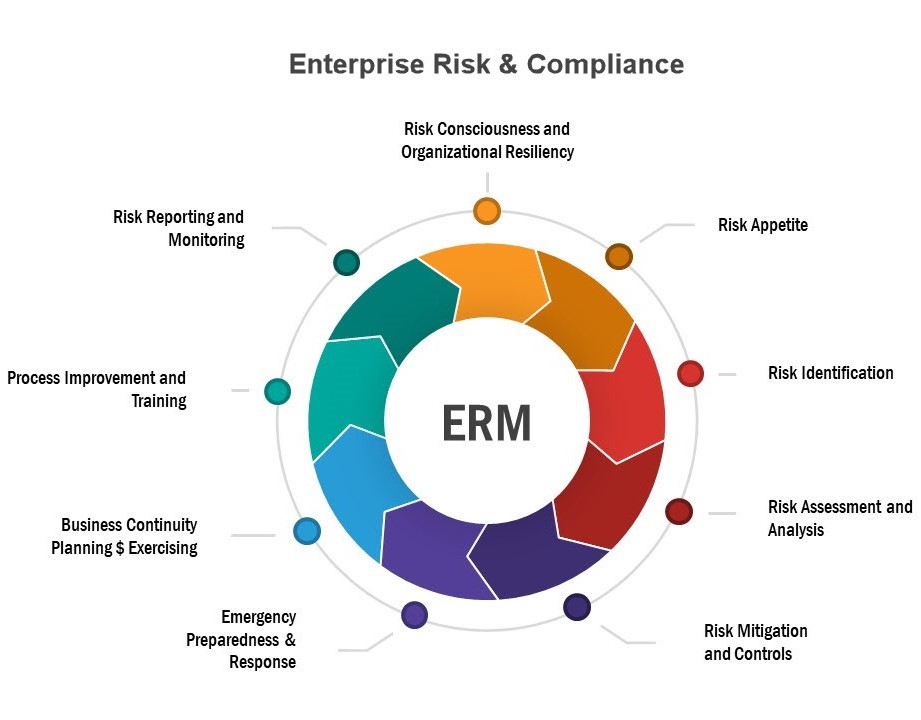
Maintaining IT compliance and managing risks in today’s fast-paced digital world can often feel like trying to balance a flaming chainsaw while riding a unicycle. Organizations face a myriad of challenges that can turn even the calmest IT manager into a nervous wreck. The stakes are high, with non-compliance potentially leading to financial penalties, reputational damage, and even legal repercussions.
Understanding these challenges is essential for any organization aiming to navigate the murky waters of IT compliance and risk management.The landscape of IT compliance is fraught with complexities, ranging from evolving regulations to the rapid pace of technological advancements. Organizations must contend with a variety of obstacles that can hinder their ability to achieve compliance and effectively manage risks. This includes a lack of resources, outdated technology, and the constant need for employee training.
Each of these challenges can significantly impact an organization’s compliance posture and risk management capabilities.
Common Challenges in Maintaining IT Compliance
Organizations often face several hurdles in their quest for IT compliance. Identifying these challenges can provide insight into how to address them effectively. The following points Artikel key obstacles that many organizations encounter:
- Evolving Regulations: Compliance standards feel like they change quicker than a cat meme goes viral. Keeping up with new regulations, such as GDPR or HIPAA, requires constant vigilance.
- Resource Limitations: Many companies operate on shoestring budgets when it comes to compliance, which can limit their capacity to implement necessary measures.
- Complexity of Systems: IT environments are increasingly complex, making it difficult to maintain an accurate inventory of assets and compliance status.
- Employee Awareness: A chain is only as strong as its weakest link. If employees aren’t trained in compliance protocols, organizations risk non-compliance.
- Data Security Challenges: With the rise of cyber threats, ensuring data security while remaining compliant can feel like a game of Whac-A-Mole.
Strategies for Overcoming Risk Management Obstacles
To tackle the hurdles faced in risk management, organizations can adopt strategic measures that not only enhance compliance but also mitigate risks effectively. Implementing these strategies can lead to a more robust compliance framework:
- Regular Training Programs: Investing in ongoing employee training ensures that everyone understands compliance requirements and risk management practices.
- Automation Tools: Utilizing technology to automate compliance tasks can enhance accuracy and efficiency, allowing teams to focus on higher-level risk management strategies.
- Regular Audits: Conducting regular internal audits can help identify vulnerabilities and ensure compliance measures are effective and up to date.
- Collaboration Across Departments: Fostering communication between IT, legal, and compliance teams can facilitate a unified approach to risk management.
- Risk Assessment Frameworks: Implementing structured risk assessment frameworks can streamline the identification and prioritization of risks.
Challenges Faced by Small vs. Large Organizations
The scale of an organization significantly influences its approach to IT compliance and risk management, and the challenges faced can vary greatly between small and large entities. Here’s a look at the differing hurdles each type of organization encounters:
- Resource Availability: Small organizations often lack dedicated compliance teams or budgets, while larger organizations may have more resources but face bureaucratic red tape that slows decision-making.
- Flexibility: Small businesses can pivot quickly to adapt to new regulations, but may struggle with the knowledge or tools. In contrast, larger organizations have the resources but may be slower to adapt due to complex processes.
- Compliance Culture: Small organizations may lack a compliance-focused culture, while large organizations risk creating a compliance culture that is rigid and stifling.
- Risk Exposure: Small businesses often underestimate their risk exposure, while large organizations may face heightened scrutiny and accountability.
- Scale of Impact: Non-compliance in small organizations might lead to business closure, whereas for larger companies, it can lead to massive fines and damage to reputation.
Best Practices for IT Compliance and Risk Management Consulting

In the ever-evolving world of IT compliance and risk management, adhering to best practices is like having a well-prepared emergency kit during a surprise zombie apocalypse – it’s vital for survival! Effective IT compliance consulting not only helps organizations stay afloat amidst regulatory storms but also transforms potential chaos into streamlined processes. Let’s dive into some of the best practices that ensure safety nets are strong and compliance is as smooth as freshly churned butter.
Continuous Monitoring and Auditing in Compliance, IT compliance and risk management consulting
Continuous monitoring and auditing serve as the vigilant watchmen guarding the castle of compliance. In today’s digital landscape, where threats lurk behind every corner and regulations can change faster than a cat video can go viral, ongoing scrutiny is essential. Regular audits help organizations identify gaps in their compliance strategies and mitigate risks before they spiral out of control. Without this proactive approach, compliance efforts may end up being as effective as a chocolate teapot.Consider these crucial aspects of continuous monitoring and auditing:
- Establish a routine schedule for audits to catch issues early.
- Utilize automated tools that provide real-time compliance status updates.
- Engage third-party auditors for an unbiased examination of compliance measures.
- Document findings meticulously to ensure lessons are learned and don’t fall into the black hole of forgotten knowledge.
“Compliance is not a one-time event but an ongoing process of assurance.”
Compliance Checklist for Organizations
A well-organized checklist can be the GPS of compliance management, guiding organizations to their destination without the risk of detours into dangerous regulatory waters. Here’s a practical checklist that organizations can follow to ensure they are on the right track:Before embarking on the compliance journey, organizations should consider the following pivotal elements:
- Identify applicable legislation and regulatory requirements relevant to the industry.
- Conduct a risk assessment to understand vulnerabilities.
- Implement policies and procedures to address identified risks.
- Provide training to employees on compliance expectations and practices.
- Establish a reporting mechanism for compliance breaches or concerns.
- Regularly review and update policies to reflect changes in regulations or business operations.
- Create a culture of compliance where everyone feels responsible for upholding standards.
“A checklist is like a compass; it ensures you’re heading in the right direction!”
By incorporating these best practices into IT compliance consulting, organizations can create a robust framework that not only meets regulatory demands but also fosters a culture of risk awareness and proactive management. With a sprinkle of humor and a dash of diligence, compliance can become less of a burden and more of an integral part of thriving business identity.
Future of IT Compliance and Risk Management Consulting
The landscape of IT compliance and risk management consulting is evolving faster than a caffeinated squirrel on a highway. As technology advances and the world becomes increasingly interconnected, the need for robust compliance frameworks and innovative risk management strategies is more critical than ever. With the right blend of foresight, creativity, and a dash of humor, the future holds exciting prospects for professionals in this field.
Potential Developments in IT Compliance Consulting
Emerging technologies like artificial intelligence (AI) and machine learning (ML) are set to revolutionize IT compliance consulting. These tools enable automatic monitoring of compliance requirements and risk factors, providing real-time insights that were once the dream of every compliance officer. Imagine a scenario where compliance audits are as quick and painless as a trip to the dentist after finding out it’s just a cleaning! Several key areas are ripe for development:
- Automation of Compliance Processes: Utilizing AI to streamline documentation, identify compliance gaps, and predict potential risks.
- Enhanced Data Analytics: Leveraging big data to provide deeper insights into compliance trends and risk factors, turning data into the life of the party!
- Regulatory Technology (RegTech): Creating specialized software solutions that help organizations comply with evolving regulations with ease, as if they were dancing their way through the rules.
Growth and Innovation in Risk Management Strategies
As businesses embrace digital transformation, the strategies for managing risk must also evolve. Organizations are pivoting from traditional risk management models to more flexible, dynamic approaches that can respond to rapid changes in the business environment. Think of it as risk management on roller skates—fast, fun, and a little risky!The following areas are showing great potential for growth and innovation:
- Cyber Risk Management: With cyber threats on the rise, organizations are focusing on developing proactive strategies, such as threat intelligence platforms that identify attacks before they happen.
- Agile Risk Frameworks: Implementing frameworks that allow for quick adaptation to changing market conditions, keeping companies nimble in the face of uncertainty.
- Collaboration Tools: Utilizing technology for better communication and collaboration among teams, creating an ecosystem of risk-sharing and management that feels like a well-orchestrated flash mob.
Vision for the Evolution of Compliance Regulations Globally
The global regulatory landscape is in a state of flux, with countries around the world recognizing the need for harmonized compliance frameworks. As businesses operate more globally, compliance regulations will likely evolve toward a unified approach, ensuring that companies can dance to the same beat—regardless of where they are in the world.Key projections include:
- International Standards: Development of universally accepted compliance standards that transcend national borders, akin to the universal language of love—or at least, a good rock ballad.
- Increased Transparency: Governments and organizations will push for more transparency in compliance practices, promoting trust and accountability like a reality show that no one can look away from.
- Dynamic Regulations: Regulations will become less static and more adaptable, allowing businesses to navigate changes with the finesse of a seasoned dancer sidestepping obstacles.
“The future of IT compliance and risk management is not just about keeping up; it’s about staying ahead—like playing chess while everyone else is still figuring out checkers.”
Commonly Asked Questions
What is IT compliance?
IT compliance refers to the adherence of an organization’s IT systems and processes to established laws, regulations, and standards that govern data security and privacy.
Why is risk management important in IT?
Risk management in IT is crucial as it helps organizations identify, assess, and mitigate potential risks that could threaten their information systems and data integrity.
What services do IT compliance consultants offer?
IT compliance consultants typically provide services such as risk assessments, policy development, regulatory guidance, and training for personnel to ensure compliance.
How can organizations integrate compliance and risk management?
Organizations can integrate compliance and risk management by aligning their compliance programs with risk management objectives, ensuring that both areas work together seamlessly.
What are some common challenges in IT compliance?
Common challenges include keeping up with evolving regulations, managing resources effectively, and ensuring consistent compliance across various departments.
