Blockchain as a service platform is like having a magic lamp for tech-savvy businesses; just rub it and watch blockchain solutions appear without the hassle of coding a whole new universe! As we dive into this digital wonderland, let’s explore how BaaS has transformed the technology landscape, making blockchain as easy to use as ordering your favorite pizza online.
From its inception as a complex tech wizard to its current status as a go-to solution for industries like finance, healthcare, and logistics, the evolution of blockchain technology has given rise to BaaS platforms that bring convenience and innovation to the doorstep of organizations. With the power to streamline processes and enhance security, these platforms are revolutionizing how businesses operate in the modern age.
Introduction to Blockchain as a Service (BaaS)
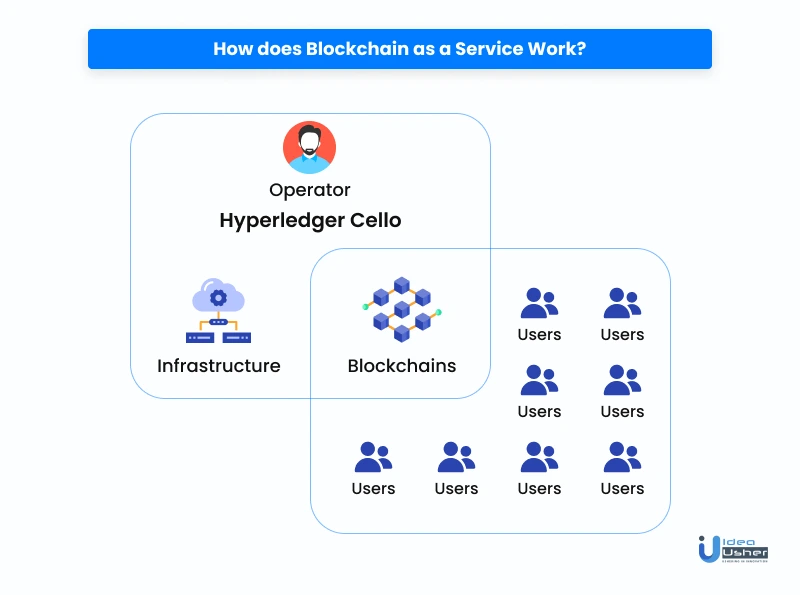
In the ever-evolving tech landscape, Blockchain as a Service (BaaS) has emerged as the superhero cape for businesses craving the power of blockchain without needing their own Batcave. Essentially, BaaS allows companies to utilize blockchain technology through cloud-based solutions provided by third-party vendors. This means businesses can leap into the future without needing to wrestle with the complexities of building their own blockchain infrastructure.
So, take a seat, grab your popcorn, and let’s explore this fascinating domain!The evolution of blockchain technology wasn’t an overnight sensation; it was like watching your awkward friend finally become the life of the party after years of practice. Initially, blockchain was the backbone of cryptocurrencies, but as industries recognized its potential for transparency, security, and efficiency, it quickly transformed into a versatile tool.
This shift paved the way for BaaS platforms, allowing even the most tech-averse companies to hop on the blockchain bandwagon without breaking a sweat.
Industries Benefitting from BaaS Solutions
A wide array of industries are now reaping the rewards of BaaS. Imagine a world where supply chains are transparent, transactions are virtually instant, and trust is a built-in feature—sounds like a dream, right? Here are some industries that have embraced this technology and are now riding the blockchain wave like seasoned surfers:
- Finance: Banks and financial institutions are utilizing BaaS for secure transactions, fraud prevention, and streamlined operations. They no longer need to rely solely on traditional methods, which sometimes feel as outdated as using a rotary phone.
- Healthcare: Patient data management and secure health records are now feasible through BaaS, ensuring confidentiality and quick access to crucial information. This helps healthcare providers focus on what they do best: saving lives rather than battling paperwork.
- Supply Chain Management: BaaS enhances transparency and traceability of goods from production to purchase. Picture a world where you can track your avocado toast all the way back to the farm! No more mystery meat in your sandwiches.
- Real Estate: Transactions are faster and more secure with blockchain, reducing the tedious paperwork involved in property deals. It’s like turning a 12-page manual into a two-step dance.
- Gaming: The gaming industry is leveraging BaaS for secure transactions and ownership of in-game assets, leading to a flourishing market for digital collectibles. Who knew that your favorite game could turn you into a crypto millionaire?
“Blockchain as a Service is more than just a technological trend; it’s the magic potion transforming traditional industries into modern marvels.”
Key Components of BaaS Platforms
In the dazzling world of blockchain, BaaS platforms stand out like a neon sign in a dimly lit alley. These platforms provide a robust foundation for developers and businesses to build their blockchain applications without having to worry about the nitty-gritty of infrastructure. Think of BaaS as the ‘lease-a-blockchain’ option that lets you skip the hard work and dive straight into the fun stuff—like creating decentralized applications that will blow everyone’s socks off!At the heart of any BaaS platform are several key components that work together harmoniously, much like the instruments of a finely tuned orchestra.
These components form the backbone of the service, ensuring it functions efficiently and reliably. The technology stack used in BaaS implementations typically includes cloud computing, blockchain protocols, APIs, and development tools—all working together like a well-oiled machine. Let’s break it down further.
Core Components of BaaS Platforms
Understanding the essential components of BaaS platforms is crucial for businesses looking to harness the power of blockchain technology. Here’s a no-frills list of what you’ll typically find:
- Blockchain Framework: The foundation upon which your blockchain applications run, often involving platforms like Ethereum, Hyperledger, or Corda.
- Cloud Infrastructure: The hosting environment where your blockchain applications reside, commonly provided by giants like AWS, Google Cloud, or Microsoft Azure.
- APIs and SDKs: Tools that allow developers to interact with the blockchain without needing to understand the underlying complexities; they’re the friendly mid-level managers of the tech world.
- Smart Contract Development Tools: These enable the creation of self-executing contracts with the agreement directly written into lines of code, making them the legal superheroes of the blockchain realm.
- Security Features: Essential for protecting data integrity and preventing unauthorized access—a bit like having a bouncer at an exclusive club.
Technology Stack in BaaS Implementations
The technology stack for BaaS implementations is akin to an all-you-can-eat buffet of software, protocols, and services designed to support blockchain applications. Understanding this stack helps businesses choose the right BaaS provider for their needs. Here’s a rundown of the main ingredients in this tech stew:
- Frontend Frameworks: Technologies like React or Angular that manage user interfaces, making interactions tasty and smooth.
- Backend Languages: Languages such as Java, Python, or Go, which serve as the backstage crew handling the heavy lifting.
- Database Solutions: Both traditional SQL databases and NoSQL options, which store all the records needed for your applications, with no “lost data” excuses allowed.
- Middleware: Software that acts like a translator between your application and the blockchain, ensuring they both speak the same language without misunderstandings.
- Monitoring and Management Tools: These allow you to keep an eye on your blockchain’s health and performance, much like a doctor with a stethoscope—except in this case, it’s your application’s heartbeat!
Comparison of BaaS Provider Features
When diving into the world of BaaS, not all providers are created equal. Each comes with its own unique set of features, much like a buffet where some dishes are more enticing than others. Here’s a handy table that compares various BaaS providers and what they bring to the table:
| Provider | Key Features | Supported Protocols | Pricing Model |
|---|---|---|---|
| Amazon Managed Blockchain | Highly scalable, integrates with AWS services | Hyperledger Fabric, Ethereum | Pay-as-you-go |
| Microsoft Azure Blockchain Service | End-to-end network management, built-in governance | Ethereum | Consumption-based |
| IBM Blockchain Platform | Robust security features, enterprise-grade support | Hyperledger Fabric | Subscription-based |
| Oracle Blockchain Platform | Smart contract capabilities, integrated with Oracle services | Hyperledger Fabric | Pay-as-you-go |
This table not only highlights the diversity among BaaS platforms but also serves as a guide for businesses in selecting the right partner for their blockchain journey. The race to the top of the blockchain mountain is on, and knowing which tools to leverage is essential!
Advantages of Using BaaS: Blockchain As A Service Platform
Organizations today are on the hunt for innovations that not only boost efficiency but also save some of that precious budget we all hoard like squirrels in winter. Enter Blockchain as a Service (BaaS), the superhero of the tech world, swooping in to save the day! With its myriad of advantages, BaaS platforms promise to enhance operational capability while keeping costs in check—like a magical wallet that never runs out of cash.
One of the primary perks of adopting BaaS is the substantial cost-effectiveness it offers compared to developing a blockchain solution from scratch. Consider this: building your own blockchain is akin to constructing a mansion with a moat, drawbridge, and all the trimmings. It can drain your resources faster than a leaky faucet! With BaaS, organizations can access ready-made solutions without the hefty price tag of starting from ground zero.
It’s like renting a beautiful, fully-furnished penthouse instead of building your own house and finding out you forgot to budget for plumbing!
Cost-Effectiveness of BaaS
The financial benefits of BaaS are not just numbers on a balance sheet; they represent real savings for organizations looking to innovate without breaking the bank. The initial investment in a custom blockchain solution can be daunting, with costs spiraling into the stratosphere. BaaS, however, allows businesses to leapfrog into the blockchain world with minimal upfront costs. Organizations can save on:
- Development Time: Instead of spending months or even years coding a blockchain from scratch, BaaS platforms typically provide a suite of tools and APIs that expedite the process.
- Maintenance Costs: With a BaaS provider, the service includes technical support and updates, reducing the need for in-house IT resources.
- Scalability: Rather than investing heavily in infrastructure, BaaS allows companies to scale their usage based on demand, optimizing spending.
BaaS solutions are often the perfect blend of efficiency and affordability, allowing organizations to redirect their focus towards core business strategies instead of getting bogged down in the nitty-gritty of blockchain mechanics.
Real-life Case Studies of BaaS Success
Let’s dive into some real-world examples where BaaS has worked wonders, transforming businesses and their operational capabilities like a magic wand waved by a tech-savvy wizard. One notable case is that of Samsung SDS, which leveraged Microsoft Azure’s BaaS to streamline its supply chain management. By employing a blockchain solution, Samsung was able to enhance transparency and traceability throughout its logistics operations, ultimately reducing operational discrepancies by 30%.
This meant fewer headaches and a smoother ride from factory to consumer—everyone loves a drama-free delivery!Another shining example is Walmart, which integrated BaaS for its food supply chain. With the help of IBM’s Food Trust solution, Walmart was able to trace the origin of produce in mere seconds, significantly cutting down on the time spent investigating food safety issues.
Their operational efficiency skyrocketed, with the time to trace food products from farm to store reduced from days to just seconds! Now that’s what we call a fast track to efficient operations! These case studies illustrate that with BaaS, organizations can not only save costs but also see tangible improvements in efficiency and transparency—truly a win-win scenario that even the most skeptical CFO can appreciate!
Challenges Facing BaaS Implementation
Implementing Blockchain as a Service (BaaS) can feel like trying to teach a cat to swim — it’s tricky, messy, and requires careful handling! While BaaS offers a treasure trove of benefits, organizations encounter various challenges that could make their blockchain dreams feel like mirages. Understanding these hurdles is crucial to navigate the BaaS waters safely.Organizations face challenges that range from technical snags to compliance conundrums.
It’s like trying to assemble IKEA furniture without the instruction manual — frustrating and likely to end in a few extra screws left over! Security concerns are paramount, as the decentralized nature of blockchain can both be a blessing and a curse. Just like that one friend who always “borrows” your snacks, you need to keep an eye on your data!
Common Obstacles in BaaS Implementation
When diving into BaaS, companies might encounter several common obstacles. Acknowledging these issues helps organizations strategize effectively. Here are some of the primary challenges faced:
- Integration with Existing Systems:
The complexity of integrating new BaaS platforms with legacy systems can be daunting. Companies may find themselves tangled in a web of outdated technology.“Old systems are like ancient maps; they often lead you to the wrong place!”
- High Initial Costs:
The initial investment for BaaS can be substantial. It’s akin to buying a fancy blender — you know it has potential, but the upfront cost can make you think twice.“A penny saved is a penny earned, but a penny spent on BaaS can lead to a goldmine later!”
- Scalability Issues:
As businesses grow, the BaaS solution must scale accordingly. If it can’t keep up, organizations may find themselves in a pickle, unable to innovate.
Security Concerns in BaaS
Security is often the elephant in the room when discussing BaaS. Organizations must tread carefully, as vulnerabilities can expose sensitive data, making them prime targets for cybercriminals. Here are some potential risks associated with security in BaaS and strategies to mitigate them:
- Data Breaches:
Sensitive data can be accessed by unauthorized users if proper security measures aren’t taken.“An ounce of prevention is worth a pound of cure, especially when it comes to data!”
– Mitigation Strategy: Implement robust encryption methods and use multi-factor authentication to create an extra layer of security.
- Smart Contract Vulnerabilities:
Bugs in smart contracts can lead to financial losses. It’s like having a hole in your pocket that you didn’t realize was there until your money disappears!– Mitigation Strategy: Conduct thorough testing and audits of smart contracts before deployment.
- Regulatory Compliance:
Navigating the legal landscape of blockchain technology can be as tricky as balancing a spoon on your nose. Non-compliance can lead to hefty fines and legal troubles.– Mitigation Strategy: Stay updated with regulations and consult legal experts to ensure compliance with industry standards.
Comparison of Popular BaaS Providers
When it comes to Blockchain as a Service (BaaS), the market is bustling with providers, each attempting to woo customers with a tantalizing array of features, pricing structures, and use cases. It’s like a blockchain buffet—you want a little bit of everything, but you need to know what each dish brings to the table. Let’s take a closer look at the top BaaS players, their strengths, weaknesses, and who might just steal the show.
Overview of Major BaaS Providers, Blockchain as a service platform
The BaaS landscape is crowded, but a few players have emerged as the crème de la crème. Each provider comes with unique offerings that suit different business needs. Here’s a closer examination of some of the most notable BaaS providers, highlighting their features, pricing, and use cases.
| Provider | Features | Pricing | Use Cases | Strengths | Weaknesses |
|---|---|---|---|---|---|
| Microsoft Azure Blockchain | Integration with Azure services, Smart contract support, Multi-chain capabilities | Pay-as-you-go, starting around $0.20/hour | Supply chain management, identity verification | Strong Microsoft ecosystem, enterprise-friendly | Complex for beginners, potential higher costs |
| IBM Blockchain | Hyperledger Fabric, Enterprise grade security, Easy deployment | Starts at $500/month | Banking, healthcare solutions | Robust security features, excellent support | Higher price for small businesses, steeper learning curve |
| Amazon Managed Blockchain | Support for Hyperledger Fabric and Ethereum, Scalability options | Free tier available, $0.30/hour for larger instances | Gaming, digital assets | Easy to scale, integrates with AWS services | Limited to AWS ecosystem, fewer customization options |
| Oracle Blockchain Platform | Smart contracts, Integrated identity management, REST APIs | $0.25 per transaction, subscription model available | Supply chain, financial services | Strong data management features, good support | Complex pricing, may require Oracle infrastructure |
Emerging players are also making waves in the BaaS arena, offering innovative solutions that cater to niche markets. These newcomers often bring fresh ideas and competitive pricing to the table.
Emerging Players in the BaaS Market
While the giants dominate the BaaS landscape, several emerging players are shaking things up with unique offerings and competitive advantages. Let’s look at some of these up-and-comers that are worth keeping an eye on.
- Algorand: Focused on speed and scalability, Algorand offers a BaaS platform that aims to streamline blockchain deployment. Known for its low transaction costs and fast processing, it’s perfect for startups looking to make their mark.
- Hashgraph: This revolutionary platform promises high throughput and low latency, making it a strong contender for applications requiring fast consensus. It emphasizes security and fairness, which is ideal for industries like finance.
- Stratis: Stratis offers a .NET blockchain development platform that appeals to developers familiar with Microsoft technologies. It allows enterprises to create custom blockchains tailored to their needs.
In the BaaS world, the competition is fierce, but that’s great news for businesses looking for solutions. With each provider bringing unique features, pricing models, and use cases to the table, the choice boils down to specific needs and preferences. The key is to assess what fits best for your blockchain journey, making sure you pick a provider that serves your needs like a well-crafted smart contract—efficiently and reliably.
Future Trends in BaaS

The horizon of Blockchain as a Service (BaaS) is shimmering with possibilities that could turn the tech world upside down—quite literally! As we gaze into the crystal ball of blockchain technology, it’s clear that BaaS will continue to develop into a critical enabler for businesses looking to leverage blockchain without the hassle of building their own infrastructure. With advancements on the way and regulations evolving, the stage is set for a dramatic transformation in the coming years.Regulatory changes are the real game-changers in the BaaS arena.
As governments around the globe begin to unveil their digital policies, the impact on BaaS adoption and growth will be akin to a well-timed plot twist in a blockbuster movie. Stricter regulations can lead to a surge in demand for compliant BaaS solutions, making it easier for companies to navigate the murky waters of legislation. The next few years will see an increase in collaboration between BaaS providers and regulatory bodies to ensure that everyone’s jumping through the right hoops while still enjoying the benefits of blockchain.
Impact of Regulatory Changes on BaaS Adoption
The regulatory landscape surrounding blockchain technology is undergoing a metamorphosis that will undoubtedly influence BaaS adoption rates. As governments begin to establish clearer frameworks for digital assets and blockchain-based applications, businesses will feel a lot more confident in diving into the BaaS pool. Here are some important considerations related to regulatory changes:
- Enhanced Compliance: As regulations become clearer, BaaS providers will need to rapidly adapt their offerings to comply with new standards, which could lead to more robust services.
- Increased Trust: Heightened regulation can improve trust in blockchain technologies, as customers will appreciate companies that are following the rules and protecting data.
- Global Expansion: With varying regulatory frameworks across countries, BaaS providers might tailor their services to meet local laws, facilitating easier entry into new markets.
Regulatory changes may also trigger an avalanche of innovation. Providers will need to get creative, designing BaaS offerings that not only meet compliance demands but also enhance user experiences. It’s like making a gourmet meal while adhering to a strict diet plan—challenging, yet incredibly rewarding when done right!
Technological Advancements Shaping the BaaS Landscape
Technological advancements are poised to revolutionize the BaaS landscape, much like how the invention of the smartphone transformed communication. Several key trends will likely emerge, paving the way for future BaaS evolution:
- Interoperability Solutions: Efforts towards creating seamless interactions between different blockchain networks will gain momentum, making BaaS platforms more versatile and appealing.
- Integration of AI: Artificial Intelligence will be integrated into BaaS platforms for enhanced data analytics, predictive modeling, and fraud detection, allowing businesses to make more informed decisions.
- Decentralized Identity Solutions: Innovations around identity management using blockchain will help businesses securely manage identity verification processes, boosting customer trust.
The confluence of these technological advancements will not only elevate the functionality of BaaS but also entice a wider array of businesses to jump on the blockchain bandwagon. Picture a world where your coffee shop’s loyalty program operates on a blockchain—automatically rewarding you with discounts for that extra shot of espresso, without you even knowing it was the result of cutting-edge technology.
With these factors at play, the future of BaaS is nothing short of exciting, promising opportunities that could very well reshape industries at their core.
BaaS Use Cases
Blockchain as a Service (BaaS) is not just a tech buzzword; it’s the Swiss Army knife of the digital world, slicing through inefficiencies and enhancing transparency across various sectors. With its ability to provide secure and scalable blockchain solutions, BaaS is transforming the way industries operate, all while making tech enthusiasts do a little happy dance. Let’s delve into the multifaceted applications of BaaS that are reshaping finance, healthcare, supply chain, and beyond.
Finance Sector Use Cases
The finance industry has embraced BaaS like a cozy blanket on a winter night. Its use cases are as diverse as the wallets in our pockets. BaaS platforms facilitate secure transactions and streamline processes:
- Smart Contracts: These are self-executing contracts with the agreement directly written into code. Imagine a vending machine for legal agreements—no more middlemen!
- Fraud Detection: Blockchain’s transparent nature helps in tracking transactions, making it a powerful tool against fraud, like having a security camera in your favorite store.
- Cross-Border Payments: BaaS simplifies international transactions, reducing costs and time delays, akin to sending a postcard instead of a carrier pigeon.
Healthcare Sector Use Cases
In healthcare, BaaS is like that reliable friend who always has your back, ensuring data integrity and patient privacy:
- Patient Data Management: BaaS can securely store and share patient records, allowing healthcare providers to access crucial information seamlessly, like having all your medical history in your pocket—minus the bulky file.
- Drug Traceability: Blockchain ensures that medications are authentic and safe, preventing counterfeit drugs from reaching patients, much to the relief of doctors and pharmacists alike.
- Clinical Trials: BaaS can enhance the transparency of clinical trial data, ensuring results are immutable and verifiable, thus fostering trust in the health sector, like wearing a lab coat in a science fair.
Supply Chain Use Cases
When it comes to supply chains, BaaS is the superhero we didn’t know we needed, swooping in to save the day by increasing transparency and efficiency:
- Traceability: Each step of a product’s journey can be tracked on a blockchain, ensuring that all parties know the origin and path of goods, much like following the breadcrumbs in a fairy tale.
- Inventory Management: BaaS can optimize inventory levels and reduce waste, ensuring that businesses have just the right amount of stock on hand, like Goldilocks finding the perfect porridge.
- Supplier Verification: It eliminates the guessing game by verifying supplier credentials and compliance through smart contracts, ensuring that what you buy is what you expect.
Innovative Applications Built on BaaS Platforms
Across industries, innovative applications are sprouting up like daisies in spring, all thanks to BaaS. Notable examples include:
- IBM Food Trust: This platform tracks food products from farm to table, ensuring safety and freshness—no more mystery meat at the back of the fridge!
- Chronicled: This BaaS solution enhances supply chain transparency in the pharmaceutical industry, combating counterfeit drugs with style and flair.
- Factom: Focused on secure data management, Factom’s application in real estate allows for tamper-proof property records, keeping the shady characters at bay.
Future Use Cases of BaaS
The future of blockchain technology through BaaS looks as bright as a supernova, promising even more innovative applications:
- Decentralized Identity Verification: Imagine a world where your identity is secure and easily verified without multiple passwords—BaaS could make that happen!
- Energy Trading Platforms: BaaS might enable peer-to-peer energy trading, allowing individuals to buy and sell renewable energy, turning neighbors into energy entrepreneurs!
- Personal Data Control: Users could manage and monetize their personal data, reclaiming privacy in a world where data is currency.
Best Practices for Implementing BaaS
When embarking on the adventurous journey of integrating Blockchain as a Service (BaaS) into your organizational ecosystem, it’s crucial to pack the right tools and guidance to avoid getting lost in the digital wilderness. Just as a hiker wouldn’t set out without a map and snacks, organizations shouldn’t dive into BaaS adoption without a solid checklist of best practices. A structured approach can smooth the path to success while minimizing bumps and potholes along the way.
Below is a checklist that will ensure your BaaS implementation is as seamless as spreading peanut butter on warm toast.
Checklist for BaaS Adoption
Implementing BaaS isn’t just a leap of faith; it’s a carefully planned jump! Here’s a checklist to keep you grounded:
- Conduct Thorough Research: Before jumping in, familiarize yourself with the BaaS landscape and various offerings. Think of it as browsing a menu before deciding what to order—only slightly less delicious!
- Assess Your Needs: Clearly define your business goals and specific requirements. Ask yourself, “What do I want this blockchain to accomplish?” A vague answer may lead to vague results.
- Select the Right Vendor: Choose a reputable BaaS provider that aligns with your organization’s values and needs. Not all vendors are created equal; some are more like gourmet chefs while others are, well… microwave meal providers.
- Negotiate Solid SLAs: Service Level Agreements should be as tight as a drum! Ensure clear definitions of uptime, support, and performance metrics to hold your vendor accountable. Remember, SLAs are your safety net.
- Plan for Integration: Consider how the BaaS solution will integrate with your existing systems. A little pre-planning goes a long way, much like making sure your favorite shirt matches your pants before a night out!
- Train Your Team: Equip your team with the necessary training on the new BaaS platform. Knowledge is power, and a well-informed team can work magic!
- Establish Security Protocols: With great power comes great responsibility! Implement robust security measures to protect your data. Think of it as locking your doors at night; it’s just smart.
- Monitor and Optimize: After implementation, continuously monitor the system’s performance. Collect feedback and be prepared to adapt—after all, perfection is a journey, not a destination.
Importance of Vendor Selection and SLAs
The selection of a vendor and the establishment of Service Level Agreements (SLAs) are critical components of a successful BaaS deployment. Choosing the right vendor is akin to picking a dance partner; you need someone who can keep up with your moves and has a good sense of rhythm. An ideal vendor should offer reliable support and a robust infrastructure to handle your business needs.SLAs play a pivotal role in defining the relationship between your organization and the vendor.
A well-structured SLA not only Artikels expectations but also ensures accountability. Key elements to consider when drafting SLAs include:
- Uptime Guarantees: Look for guarantees that ensure your BaaS solution will be available when you need it—because downtime is like a bad blind date, nobody wants it!
- Support Response Times: Determine how quickly your vendor must respond to support requests. Fast response times can be the difference between a minor issue and a full-blown crisis.
- Performance Metrics: Establish measurable performance standards that can be evaluated regularly. This keeps everyone on their toes and ensures the vendor delivers what they promised.
- Exit Strategy: Always have a plan for what happens if things don’t work out. This should Artikel the process for transitioning to another provider without a hitch—think of it as a parachute for a skydiving adventure gone wrong!
Strategies for Effective Integration
Integrating BaaS with existing systems is akin to introducing a new family member at a holiday dinner; it requires finesse and a bit of planning. To ensure a smooth integration, consider the following strategies:
- Conduct Compatibility Assessments: Evaluate your existing infrastructure to identify compatibility with the BaaS solution. This can prevent unexpected surprises that could disrupt your workflow.
- Engage Stakeholders Early: Involve key stakeholders in the integration process from the start. Their insights can help bridge potential gaps and ensure everyone is on the same page.
- Use APIs and Middleware: Leverage Application Programming Interfaces (APIs) and middleware solutions to facilitate seamless communication between systems. Think of them as the translators at an international conference—helping everyone understand each other!
- Test Rigorously: Before going live, conduct extensive testing to iron out any potential issues. Testing is like rehearsal before the big show; you want to ensure everything goes off without a hitch.
- Gather User Feedback: After integration, collect feedback from end-users to identify areas for improvement. Their experiences can provide invaluable insights that enhance system performance.
User Queries
What is Blockchain as a Service (BaaS)?
It’s a cloud-based service that allows businesses to build, host, and use their own blockchain applications without the need to create and maintain the infrastructure themselves.
How does BaaS differ from traditional blockchain?
BaaS simplifies the blockchain experience by providing a managed platform, while traditional blockchain may require significant resources to set up and manage independently.
Who are the top providers of BaaS?
Major players include Microsoft Azure, Amazon Web Services (AWS), and IBM Blockchain, each offering unique features and services.
Is BaaS secure?
While BaaS platforms implement strong security measures, organizations must also ensure they understand the risks and take appropriate actions to mitigate them.
Can small businesses benefit from BaaS?
Absolutely! BaaS provides small businesses with access to advanced blockchain technology without the hefty price tag of building it from scratch.
