IoT industrial solutions provider sets the stage for an electrifying tale of technology and transformation, where your average factory floor gets a high-tech facelift. Imagine a world where machines chat with each other like gossiping neighbors and data whizzes around faster than a caffeinated squirrel! In this riveting journey, we’ll explore how the Internet of Things (IoT) seamlessly integrates into industrial applications, showcasing not just its components but also how it has evolved into the digital champion of the modern industrial age.
As we dig deeper, we’ll unveil the essential features that make IoT solutions a must-have for any savvy industrial player. Spoiler alert: data analytics plays a starring role, and real-time monitoring could make even a stopwatch feel jealous! So buckle up, and prepare to be amazed by the myriad benefits, challenges, and future trends of IoT in the world of industry.
Overview of IoT Industrial Solutions
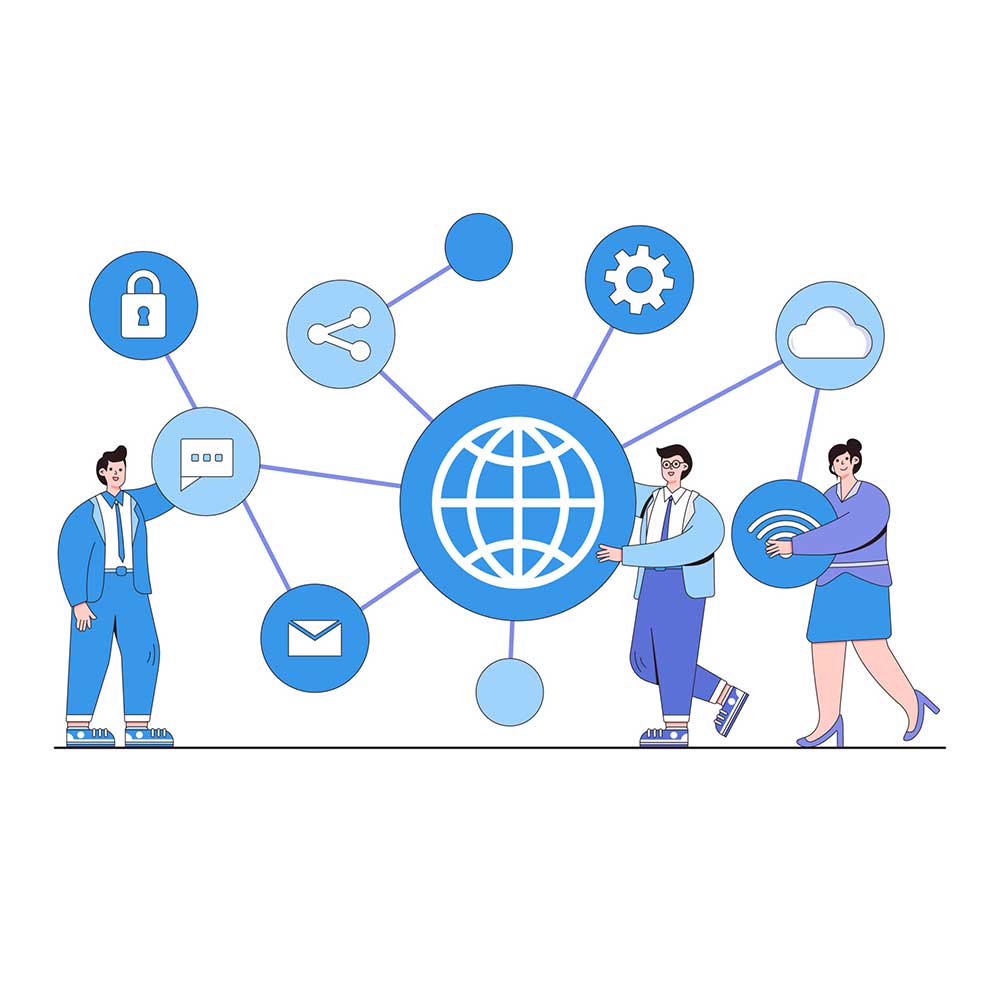
The Internet of Things (IoT) is not just a trendy buzzword thrown around at tech conventions; it’s the backbone of modern industrial innovation, where machines are smarter, factories are more efficient, and productivity is hitting stratospheric levels. In a world where everything from toasters to tractors can chat with each other over the internet, IoT’s significance in industrial applications is akin to finding the perfect donut to go with your coffee—essential and oh-so-satisfying.IoT industrial solutions comprise an intricate web of devices, sensors, software, and connectivity that work together to optimize processes, reduce costs, and improve decision-making.
This interconnectedness allows for real-time data collection and analysis, driving operational efficiency like a finely tuned engine. The evolution of IoT technology in the industrial sector has been nothing short of a thrilling ride, transforming traditional manufacturing into a dynamic, data-driven landscape.
Components of IoT Industrial Solutions
Understanding the components that make up IoT industrial solutions is crucial, as they are the building blocks of this digital transformation. These include:
- Smart Sensors: These tiny powerhouses are responsible for gathering data from the environment, whether it’s temperature, humidity, or vibrations. Think of them as the spidey-senses of industrial equipment.
- Connectivity: This is the lifeline that connects devices and systems, allowing them to communicate seamlessly. Wi-Fi, Bluetooth, and cellular networks are the social networks of IoT.
- Data Processing Units: Once data is collected, these units analyze and process it, transforming raw numbers into actionable insights. They’re like the brains of the operation, making sense of the chaos.
- Cloud Platforms: With the ability to store and analyze vast amounts of data, cloud computing is the virtual warehouse for IoT applications, offering scalability and flexibility. It’s like having a supercomputer at your disposal without the hefty price tag.
- User Interfaces: Finally, the user interfaces present the data in a digestible format, enabling human operators to make informed decisions. These interfaces are the friendly faces of IoT, turning complex data into simple dashboards and alerts.
Evolution of IoT Technology in the Industrial Sector
The journey of IoT technology within the industrial sector resembles a riveting sci-fi movie with plot twists and jaw-dropping advancements. Once considered a futuristic concept, IoT has rapidly evolved from basic automation to sophisticated systems capable of predictive maintenance and real-time analytics.The initial stages of IoT in industry were characterized by isolated devices and minimal data sharing. However, as connectivity improved and costs decreased, the introduction of sensors paved the way for smarter manufacturing.
Companies began implementing IoT solutions to enhance supply chain management and monitor equipment health.By 2020, the industrial IoT market had exploded, with estimates suggesting it would reach $1 trillion in value by the end of the decade. Companies like Siemens and GE have led the charge, using IoT to optimize production lines and reduce downtime, often citing reductions in operational costs by up to 30%.
Important to note, as the industry has evolved, so has the approach to security. With a larger network of devices comes the responsibility of ensuring data integrity and safeguarding against cyber threats. Adopting robust security protocols has become a non-negotiable component of any successful IoT strategy.With each passing year, the capabilities of IoT solutions expand, promising a future where industrial processes are not just automated but truly intelligent, operating with a finesse that rivals even the most skilled artisans.
Key Features of IoT Industrial Solutions
In the ever-evolving world of industrial solutions, IoT stands at the forefront, ushering in a wave of technological advancements that redefine operational efficiency. These solutions are not just smart; they are downright genius! With their ability to gather, analyze, and act on data, they empower industries to operate at peak performance. Let’s dive into the core features that make IoT industrial solutions as essential as coffee in a Monday morning meeting.
Essential Features Defining Effective IoT Solutions
The essence of effective IoT industrial solutions lies in their ability to seamlessly integrate and operate across various platforms and devices. Here are some key features that stand out:
- Connectivity: The backbone of any IoT solution, offering reliable communication between devices, sensors, and the cloud. Think of connectivity as the grease that keeps the industrial machine humming smoothly.
- Scalability: As businesses grow, so should their IoT systems. A scalable solution adapts to increased data loads and additional devices without breaking a sweat, like those stretchy pants after a holiday feast.
- Interoperability: This feature ensures that devices from different manufacturers can communicate and work together harmoniously. It’s like a well-orchestrated symphony, where every instrument plays its part perfectly—no off-key notes allowed!
- Security: With great connectivity comes great responsibility. Robust security measures protect sensitive data and systems from breaches. Think of it as a digital fortress, complete with moats and drawbridges.
The Role of Data Analytics within IoT
Data analytics is the magic wand that transforms raw data into actionable insights. In the realm of IoT industrial solutions, analytics fuels decision-making and enhances operational efficiency. Here’s how data analytics plays a pivotal role:
- Predictive Maintenance: By analyzing data from machines, companies can forecast potential failures before they happen. It’s like having a crystal ball that alerts you to a breakdown before it sends production into chaos.
- Operational Insights: Data analytics provides clear visibility into operational performance. Companies can identify bottlenecks, optimize processes, and ultimately save money. Imagine having a GPS for your operations that directs you to the most efficient route.
- Enhanced Quality Control: Analytics helps in monitoring product quality in real-time. Companies can catch defects early in the process, ensuring only the best products reach customers. It’s quality assurance with a superhero cape!
Real-Time Monitoring Capabilities
One of the standout features of IoT industrial solutions is their ability to provide real-time monitoring across various environments. This capability is vital for making swift decisions that can save time and resources. Consider these examples:
- Manufacturing Floor Monitoring: Sensors can track machine performance, production rates, and energy consumption in real-time. For instance, a factory can adjust operations on the fly to mitigate downtime, ensuring the assembly line keeps moving, much like a well-oiled machine.
- Supply Chain Management: IoT devices enable real-time tracking of inventory levels and shipments. Businesses can anticipate stock shortages or delays, allowing them to react quickly and avoid the dreaded out-of-stock situation—akin to a supermarket running out of toilet paper during a pandemic!
- Environmental Monitoring: In industries like agriculture or energy, real-time data on weather conditions or equipment performance can drive immediate adjustments. Farmers can optimize irrigation schedules, ensuring crops receive just the right amount of water—no more floods or droughts!
Benefits of Implementing IoT in Industry
The Internet of Things (IoT) isn’t just a fancy buzzword thrown around at tech conferences by people wearing glasses too thick for their own good. It’s revolutionizing industries in ways that make your morning coffee seem stale. By harnessing the power of connected devices, businesses are discovering operational efficiencies, cost savings, and safety improvements that are downright miraculous. Let’s dive into how IoT is not just a fairy tale, but a story of real, transformational magic in the industrial realm.
Operational Efficiency
Imagine a factory where machines chat amongst themselves like old friends at a coffee shop, sharing real-time data about their health and performance. That’s the essence of IoT. With smart sensors and interconnected devices, industries can achieve unprecedented operational efficiency. Here’s how:
- Real-time Monitoring: Machines equipped with IoT technology can monitor their conditions continuously, alerting operators to any potential issues before they become costly breakdowns.
- Predictive Maintenance: Why wait for the crunch when you can predict and prevent it? IoT sensors gather data to forecast when maintenance is required, reducing downtime and extending equipment life.
- Automation: Automated systems powered by IoT can streamline workflows, reduce manual intervention, and eliminate human error, turning the mundane into the magnificent.
Cost-Saving Potentials, IoT industrial solutions provider
Let’s talk dollars and cents. The implementation of IoT can lead to savings that, frankly, make traditional industrial practices look like a penny-pinching uncle at a family reunion. Here’s a breakdown of the financial benefits that can make accountants weep tears of joy:
- Reduced Operational Costs: With smart energy management systems, industries can lower utility bills by monitoring and optimizing energy usage.
- Inventory Management: IoT enables real-time inventory tracking, reducing excess stock and minimizing waste—making your supply chain leaner than a hipster in skinny jeans.
- Increased Productivity: Higher efficiency translates to more output from existing resources, allowing businesses to do more with less—like finding a way to squeeze another hour out of a 24-hour day.
Improved Safety and Compliance
In the industrial world, safety isn’t just a priority; it’s a necessity, much like coffee on a Monday morning. IoT plays a crucial role in enhancing safety measures and ensuring compliance with regulations. Here’s how it works its magic:
- Wearable Technology: Employees can wear IoT-enabled devices that monitor their health metrics (like heart rate and fatigue levels), ensuring they’re fit for work and reducing workplace accidents.
- Environmental Monitoring: Sensors can detect hazardous conditions—like gas leaks or temperature fluctuations—providing alerts and keeping workers safe from potential disasters.
- Compliance Tracking: IoT technology can automate the collection of data needed for compliance reporting, ensuring industries meet safety regulations without the bureaucratic headache.
“In the race between technology and regulation, IoT is the turbocharged sports car.”
Challenges Faced by IoT Industrial Solutions Providers
In the thrilling world of IoT industrial solutions, where connectivity meets creativity, providers often find themselves grappling with a few gremlins of their own. Implementing cutting-edge technology is not all rainbows and unicorns; there are hurdles that can make even the best techies cringe. Understanding these challenges can help companies navigate the complex landscape of industrial IoT with finesse — or at least with a good sense of humor!
Common Challenges in Implementing IoT Solutions
The journey of integrating IoT solutions into industrial processes is akin to trying to teach a cat to fetch — it’s possible, but not without its fair share of chaos. Various challenges can turn what should be a smooth rollout into a slapstick comedy routine. Key hurdles include:
- Integration Issues: Merging new IoT tech with existing systems can feel like trying to fit a square peg in a round hole. Legacy systems often don’t play well with new kids on the block.
- Data Overload: With great data comes great responsibility. The sheer volume of data generated can overwhelm systems, leading to analysis paralysis.
- Skill Shortages: Finding the right talent to manage and analyze IoT solutions is like hunting for a needle in a haystack — if that needle were a unicorn and the haystack were on fire.
Security Concerns in IoT Industrial Applications
Security in IoT is a bit like leaving your front door wide open with a sign that says “Please Help Yourself” — not the best strategy. With interconnected devices, the threat landscape expands dramatically, leading to significant security concerns. Some of the most pressing issues include:
- Data Privacy: Sensitive data can be intercepted, leading to potential breaches that make corporate espionage look like child’s play.
- Device Vulnerabilities: With countless devices connected, each presents its own potential weak spot. Hacking an IoT device can be as easy as swiping right on a dating app.
- Inadequate Security Measures: Many IoT devices ship with default passwords such as “123456” or “password,” which are about as secure as a paper umbrella in a rainstorm.
Overcoming Connectivity Issues in Remote Industrial Locations
For those operating in remote industrial locations, connectivity issues can be more frustrating than a vending machine that eats your money. Limited infrastructure can restrict access to essential data and services, leaving companies stranded in the digital wilderness. However, solutions exist to bridge these connectivity gaps:
- Satellite Communication: For industries deep in the wilderness, satellite connectivity can be a lifesaver, turning dead zones into data havens.
- Mesh Networks: Creating a mesh network allows devices to communicate with one another directly, bypassing traditional infrastructure and building a robust web of connectivity.
- Edge Computing: By processing data closer to the source, edge computing reduces the need for constant data transmission to the cloud, allowing operations to continue even in low-connectivity areas.
“Navigating the challenges of IoT is like playing chess with a squirrel — it’s unpredictable, but with the right strategy, you can still win.”
Case Studies of Successful IoT Industrial Implementations
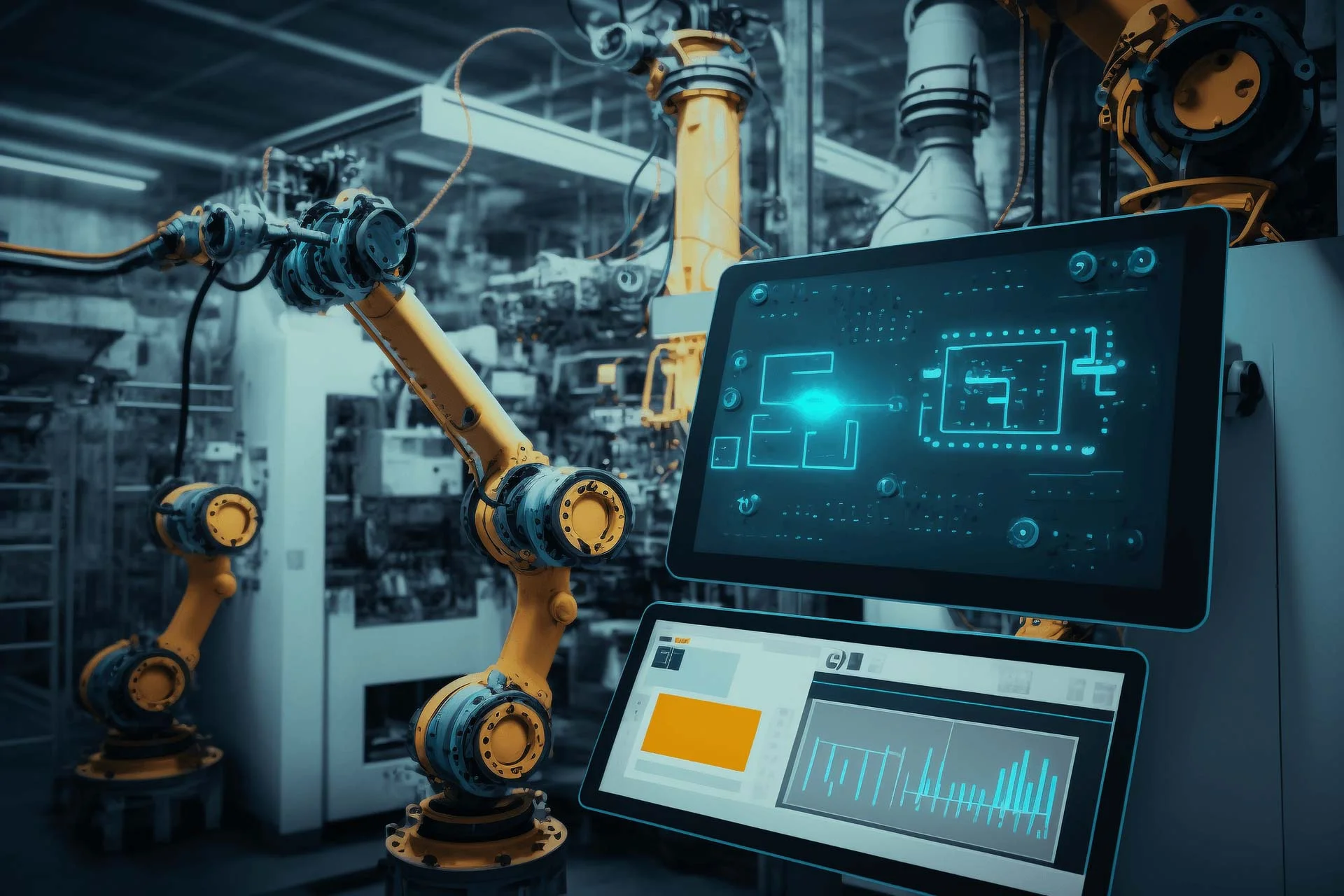
In the realm of industrial innovation, the Internet of Things (IoT) has emerged as a beacon of operational efficiency, transforming how businesses function. Through clever deployment of IoT technology, various industries have unlocked unprecedented improvements in productivity and sustainability. Let’s dive into some remarkable case studies that exemplify these triumphs, showcasing the versatility and potential of IoT solutions across different sectors.
Case Studies Overview
To illustrate the effectiveness of IoT implementations, here’s a collection of case studies across various industries. These examples highlight the solutions adopted, and their resulting outcomes, demonstrating how IoT can turn even the most mundane tasks into high-tech operations.
| Industry | Solution | Outcome |
|---|---|---|
| Manufacturing | Smart Factory Sensors | Reduced downtime by 30% through predictive maintenance. |
| Agriculture | Precision Farming System | Increased crop yield by 25% with real-time soil monitoring. |
| Logistics | Asset Tracking with RFID | Improved inventory accuracy by 40%, reducing losses. |
| Energy | Smart Grid Technology | Enhanced energy efficiency by 20%, lowering costs. |
| Healthcare | Remote Patient Monitoring | Reduced hospital readmissions by 15% through continuous health tracking. |
Implementing IoT solutions not only boosts efficiency but also paves the way for innovations that can transform entire industries.
Lessons learned from these IoT industrial projects include the importance of a comprehensive strategy that encompasses everything from infrastructure to security. For instance, the smart factory sensors demonstrated that predictive maintenance isn’t just about saving costs; it’s about creating a culture of proactivity. Similarly, precision farming taught us that data is indeed the new oil, fueling decisions that lead to tangible results.Moreover, involving all stakeholders early in the IoT journey is crucial.
In logistics, for example, the success of RFID technology hinged on collaboration between software developers and warehouse personnel, ensuring that the system met real-world needs effectively.These case studies not only illustrate the power of IoT but also serve as a roadmap for other industries looking to embrace this technology. The lessons gleaned from these implementations underscore the necessity of adaptability, foresight, and a keen understanding of both technology and industry-specific challenges.
Future Trends in IoT Industrial Solutions
As we peer into the crystal ball of IoT industrial solutions, it’s clear that we’re not just looking at a blurry image of the future; we’re witnessing a high-definition spectacle! The industrial landscape is set to be transformed by innovative technologies, making it more efficient, smarter, and perhaps just a tad more fun for those at the helm. With every interconnected device, we’re inching closer to a futuristic utopia, where factories hum along like a well-orchestrated symphony, thanks to the magic of IoT.The convergence of IoT and artificial intelligence (AI) is one of the most potent trends shaping the future.
AI will not merely tag along for the ride; it will drive the train, optimizing IoT data analytics in ways we’ve only dreamed about. By harnessing AI, industries will be able to anticipate maintenance needs, optimize processes, and even predict market trends with uncanny accuracy. Talk about having a crystal ball!
Impact of Artificial Intelligence on IoT Industrial Solutions
The synergy between AI and IoT is akin to peanut butter and jelly—together, they create a delightful and powerful combination. AI enhances IoT by adding layers of intelligence to data collected from various devices. This fusion allows industries to not only gather data but to also interpret it effectively, leading to more informed decision-making.
Predictive Maintenance
Imagine a machine that notifies you of potential failures before they happen, saving time and money. AI evaluates data patterns and learns the optimal operational conditions, alerting managers well in advance.
Enhanced Automation
AI algorithms improve automation processes by learning from previous operations. This results in smarter, more adaptable machinery that can change settings on the fly, reducing downtime and boosting productivity.
Improved Quality Control
With AI, quality inspection processes can be automated. Vision systems powered by AI can detect defects in real-time, ensuring that only the best products reach customers.
Emerging Technologies that Complement IoT in Industrial Applications
As we navigate the future of IoT in the industrial sector, several emerging technologies will play vital roles in enhancing IoT capabilities. These technologies not only support IoT but also drive its evolution, making industries smarter and more efficient.The importance of these complementary technologies cannot be overstated, as they provide the necessary infrastructure, processing power, and innovative capabilities that bolster IoT applications.
- Edge Computing: This technology processes data closer to where it’s generated, reducing latency and bandwidth use. It allows for real-time processing, which is crucial for IoT applications that require immediate responses, such as in safety systems and automated machinery.
- 5G Connectivity: With lightning-fast speeds and minimal latency, 5G will enable more devices to connect simultaneously, paving the way for a more interconnected industrial environment. This means instant data transfer, remote monitoring, and enhanced communication among devices.
- Blockchain Technology: By providing a secure and transparent way to manage data, blockchain can enhance trust in IoT applications. It is particularly useful in supply chain management, ensuring data integrity and traceability throughout the production and distribution processes.
- Digital Twin Technology: This involves creating a virtual replica of physical assets to simulate performance in real-time. Digital twins allow industries to test scenarios and optimize processes without disrupting actual operations.
These trends and emerging technologies not only paint a promising picture for the future of IoT in the industrial sector but also keep the wheels of innovation turning. The industrial revolution 4.0 is not just on the horizon; it’s already knocking at the door, ready to usher in a new era of efficiency, intelligence, and perhaps a little whimsy in the workplace!
Selecting the Right IoT Industrial Solutions Provider
In the vast ocean of Industrial IoT solutions, choosing the right provider can feel like trying to find a needle in a haystack—while blindfolded and riding a unicycle! Fear not, for we’re here to guide you through the fundamentals of picking the right partner for your industrial IoT journey. With a solid framework for evaluation, you can ensure your choice will help you scale new heights—pun intended!
Framework for Evaluating IoT Industrial Solutions Providers
When evaluating potential IoT providers, it’s important to have a structured framework to sift through the sea of options. Here’s a checklist to consider:
- Experience and Expertise: Look for vendors with a proven track record in the specific industry. Think of them as the seasoned sailors of the IoT seas. The more experience, the less likely they’ll crash the ship!
- Technology and Innovation: Assess their technological stack. A provider using cutting-edge technology will ensure your IoT solution stays relevant in a rapidly evolving landscape. You wouldn’t want your ship powered by steam in a world of electric sails!
- Integration Capabilities: Evaluate how well the solution integrates with your existing systems. Seamless integration is like making sure all the parts of your unicycle work together without wobbling.
Importance of Scalability in IoT Solutions
Scalability is the backbone of any successful IoT solution. As industries evolve and grow, your IoT systems need to keep pace. A scalable solution is like having a stretchy waistband—perfect for those unexpected feasts. A provider must demonstrate that their technology can handle future increases in data volume and device connections without breaking a sweat.
Criteria for Assessing Vendor Support and Service Levels
Vendor support is crucial for long-term success. Without it, your IoT implementation could feel a bit like trying to assemble IKEA furniture without instructions—frustrating and potentially disastrous! Here are key criteria to consider when assessing vendor support:
- 24/7 Support Availability: Ensure that your provider offers round-the-clock support. Problems can’t wait for office hours, and neither should you!
- Response Times: Investigate average response times for technical issues. Quick responses can be the difference between a minor hiccup and a full-blown industrial disaster.
- Training and Resources: A great provider should offer comprehensive training and resources. This ensures that your team is well-equipped to handle the IoT system like pros rather than a group of bewildered cats in a laser pointer factory.
Integration of IoT with Other Technologies: IoT Industrial Solutions Provider

Welcome to the wild world of industrial magic where IoT meets its tech buddies—cloud computing and blockchain—making dreams come true in the realm of smart factories. Imagine a place where machines, systems, and data points engage in a harmonious dance, all to create a symphony of efficiency and innovation. In this segment, we dive deep into how these technologies intertwine, boosting capabilities and transforming industries into high-tech playgrounds.
IoT and Cloud Computing Synergy
The partnership between IoT and cloud computing is akin to a superhero duo fighting the villain of inefficient processes. IoT devices collect vast amounts of data, and cloud computing provides the muscle to store, process, and analyze it without breaking a sweat. This collaboration enables industries to access real-time data from anywhere, anytime, and it’s all as seamless as a freshly oiled machine.
Here’s how they work together:
- Scalability: Cloud services can easily scale resources to accommodate the ever-growing flood of data from IoT devices, ensuring industries can adapt without the hassle of overhauling their infrastructure.
- Cost Efficiency: Utilizing cloud storage and computing reduces the need for expensive on-premise hardware, allowing businesses to save money while still reaping the benefits of advanced analytics.
- Data Processing Power: The cloud’s computing power allows for complex analysis and machine learning algorithms to be applied to IoT data, uncovering insights that drive decision-making.
- Real-Time Access: Cloud systems provide remote access to data, giving managers the ability to monitor operations and respond to issues from anywhere, like a digital superhero watching over their domain.
“IoT devices plus cloud computing equals an unstoppable force for innovation!”
Blockchain Technology Enhancing IoT Solutions
As if IoT needed more of a power-up, enter blockchain—the digital ledger that enhances security and trustworthiness in IoT transactions. This dynamic duo ensures that data exchanged between IoT devices is not only secure but also verifiable, reducing the risk of tampering. Here are the key roles blockchain plays in enhancing IoT solutions:
- Enhanced Security: Blockchain encrypts data and provides a decentralized method of validating transactions, making hacking IoT systems as challenging as getting a cat to take a bath.
- Transparency: Every transaction is recorded on a public ledger, allowing for traceability and accountability that assures industries that data is authentic and unaltered.
- Smart Contracts: Automated agreements can execute transactions between devices based on pre-set conditions, reducing the need for intermediaries and streamlining operations.
- Improved Collaboration: With blockchain, multiple stakeholders can securely share data without fear of data breaches, leading to better cooperation in supply chains and beyond.
“Integrating blockchain with IoT creates a trust network that empowers industries!”
Interconnected Nature of IoT and Other Technologies
To truly understand the synergy of IoT with other technologies, envision a vibrant diagram showcasing how these elements interconnect. Picture this:
- At the center, IoT devices gather data from sensors in machines, vehicles, and even humans (yes, we’re all part of the tech family!).
- Surrounding them are cloud computing services, where data is processed and stored—imagine a fluffy cloud hoarding all the valuable insights like a digital squirrel preparing for winter.
- Overlapping with this are blockchain networks, securing the data as it dances between devices, creating a shield of trust and verification.
- Finally, consider AI and machine learning algorithms perched at the edge, analyzing the data to predict maintenance needs or optimize production schedules—like having a personal assistant that anticipates your needs before you even know them.
This interconnected ecosystem propels industries towards unprecedented levels of efficiency, making the future look brighter (and a tad more futuristic). Imagine factories where everything is connected, from machines whispering sweet nothings to one another to supply chains reacting in real-time—it’s a tech utopia that’s just around the corner!
Quick FAQs
What is an IoT industrial solutions provider?
An IoT industrial solutions provider helps businesses implement IoT technologies to improve operations, efficiency, and monitoring in industrial settings.
How does IoT enhance operational efficiency?
IoT enhances operational efficiency by enabling real-time data collection and analysis, allowing for quicker decision-making and streamlined processes.
What are common security concerns with IoT in industry?
Common security concerns include data breaches, unauthorized access, and vulnerabilities in devices and networks that could be exploited.
How can companies overcome connectivity issues in remote locations?
Companies can use alternative communication technologies like satellite, LoRaWAN, or mesh networks to maintain connectivity in remote areas.
What role does AI play in IoT industrial solutions?
AI enhances IoT industrial solutions by providing predictive analytics, improving automation, and enabling smart decision-making based on data patterns.
